Flooded Basement: Reason & Remediation

A flooded basement can be a nightmare for homeowners. It can cause a lot of damage to your home, turning what should be a dry, safe space into a hazardous area. 

Dealing with a flooded basement quickly is super important to avoid long-term problems. 

Let’s talk about why basements flood, what you can do right away, and how to fix and prevent it.

Key Takeaways:

  • Basement flooding is serious. It can damage your home and create long-term issues if not handled quickly.
  • Common causes include storms, poor drainage, broken pipes, and foundation cracks.
  • Act quickly. Turn off the power, assess the situation, and call professionals if needed.
  • Steps to fix it: Remove water, dry the area, clean, repair damages, and sanitize if sewage is involved.
  • Prevent future floods by improving drainage, installing a sump pump, and sealing foundation cracks.
  • Call professionals if flooding is severe or if you can’t fix it yourself.
  • Insurance may cover some flood damage. Check with your policy to know what’s included.

What Causes Basement Flooding?

Infographic listing common causes of basement flooding, such as heavy rain and plumbing issues

Basements can flood for many reasons. Let’s talk about some common causes:

Heavy Rainfall and Storms
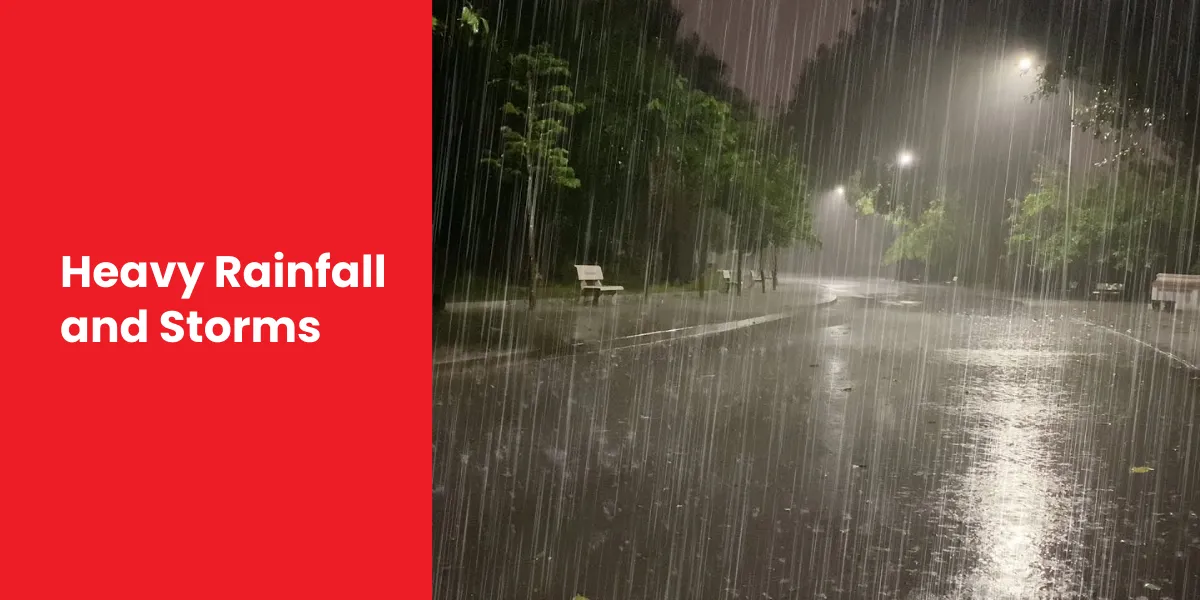
Illustration of heavy rainfall and storms causing potential basement flooding

When it rains a lot, the drainage system can get overwhelmed. This can cause floodwater to spill over concrete surfaces like your driveway or basement floor. 

Water starts to seep into the basement through small cracks or openings.

Poor Drainage Systems
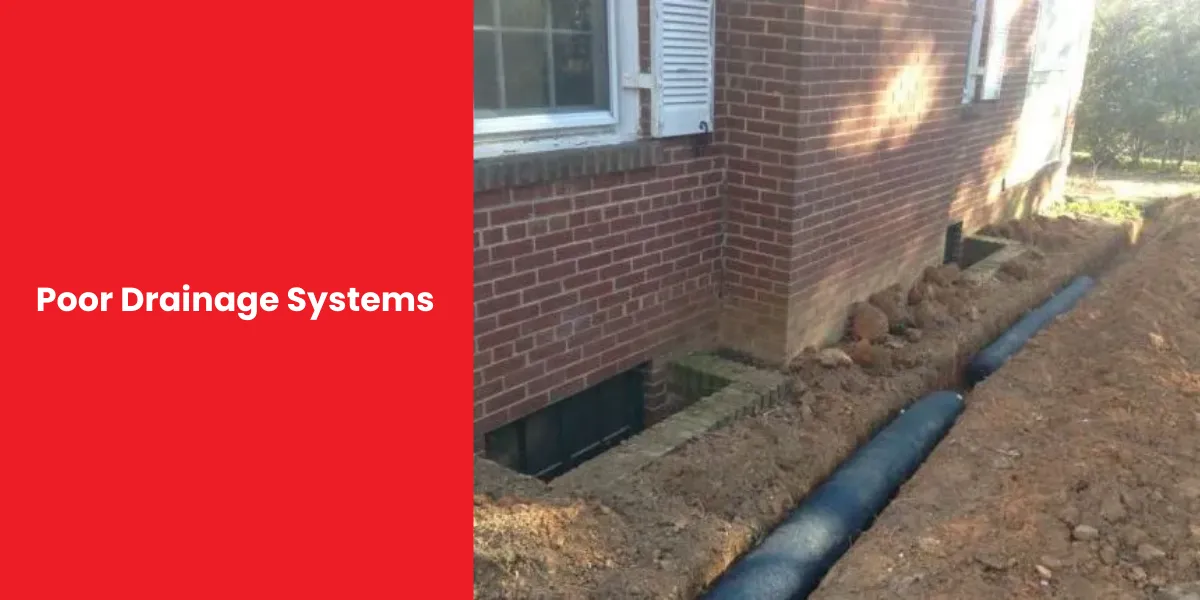
Diagram highlighting issues caused by poor drainage systems around a home.

If your drains, gutters, or downspouts are clogged or broken, water can build up around your home. The system can’t carry the rainwater away, which leads to water in the basement.

Sewage Backup
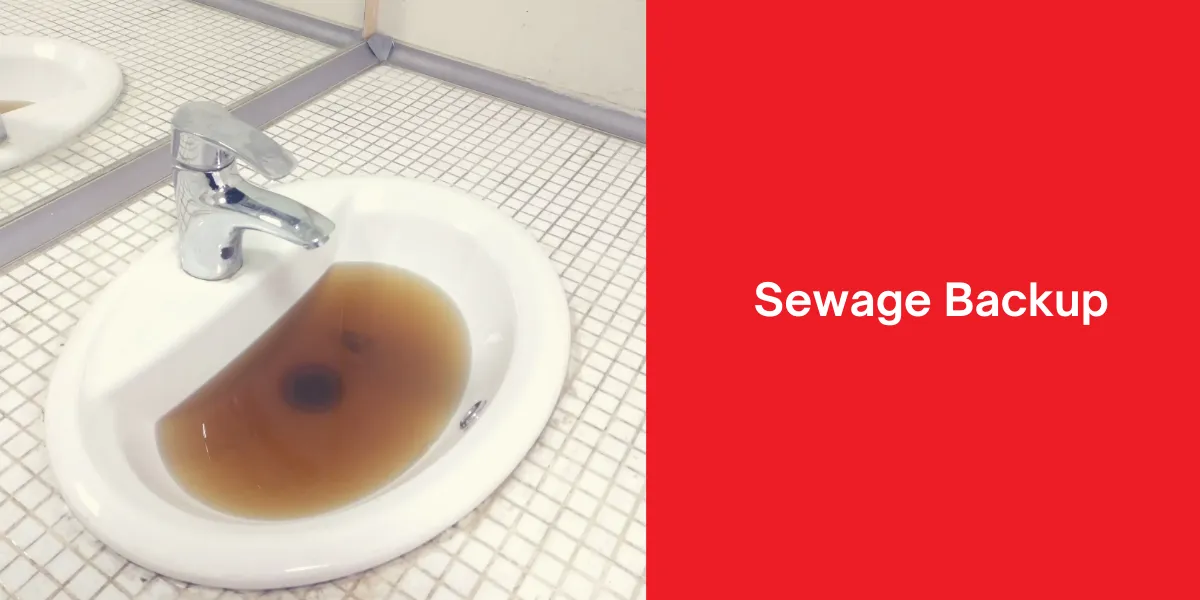
Sewage Backup

Sometimes, blockages in the plumbing can cause wastewater to back up into your basement. This is a serious issue, and you’ll need a flooded basement cleanup to prevent health problems.

Broken Pipes or Leaks
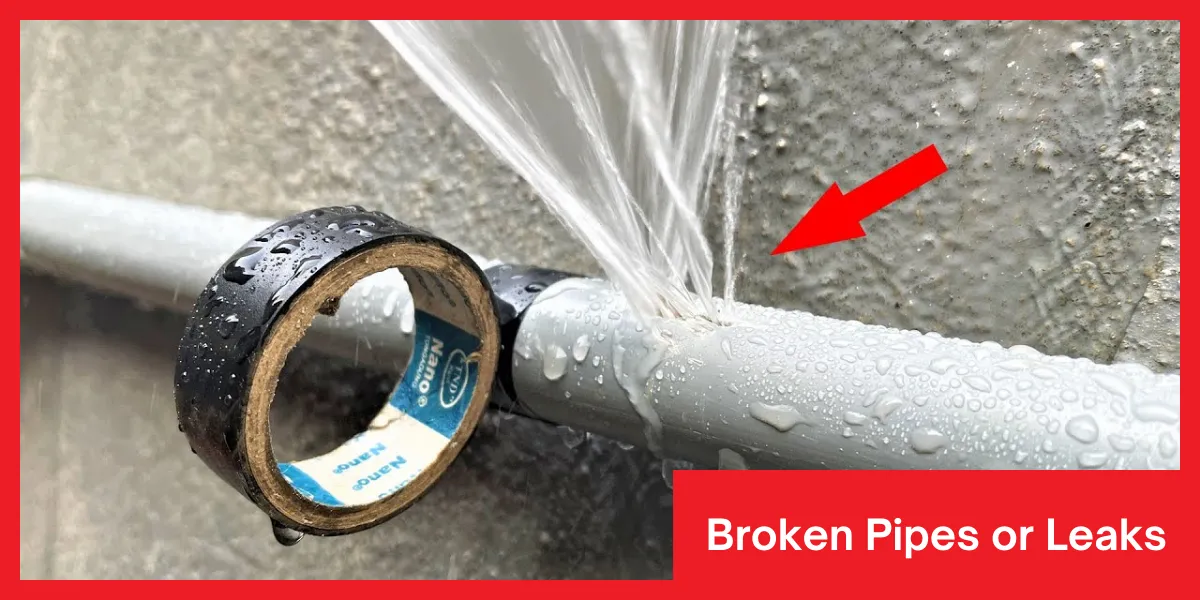
Illustration showing the impact of broken pipes or leaks leading to water damage in a home

Pipes can burst or develop small leaks. These issues can cause water to build up in your basement, leading to costly basement water damage.

Groundwater Seepage

Image showing groundwater seepage entering a basement through walls or floors

Water from the ground can rise through cracks in your foundation. This type of flooding, called groundwater seepage, can be hard to fix without the right tools.

Faulty Sump Pump
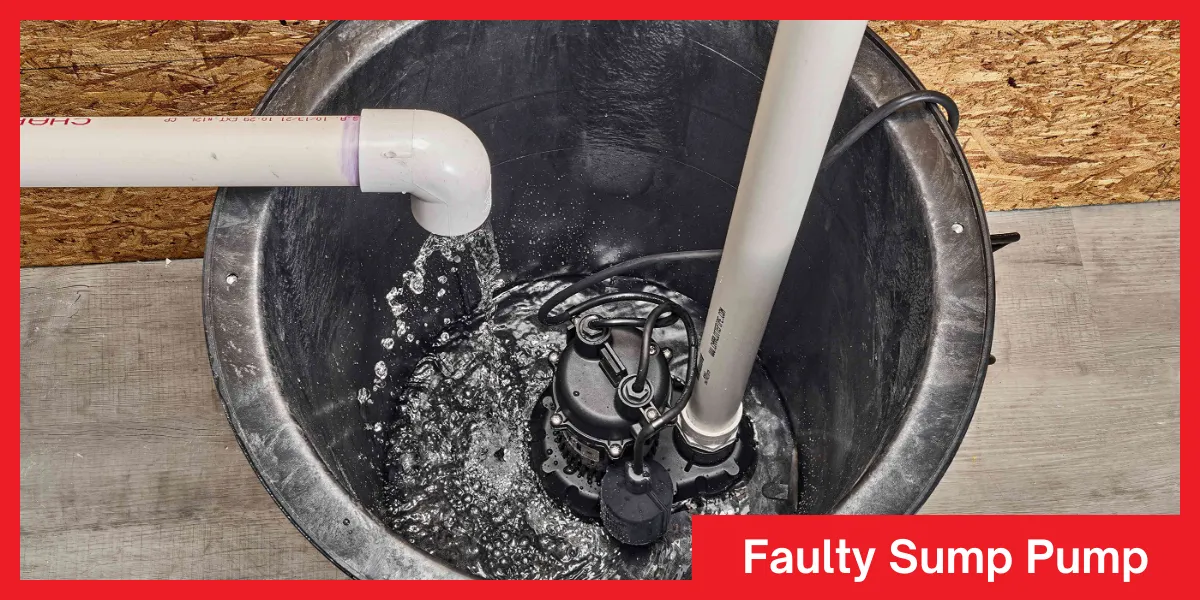
Diagram depicting a faulty sump pump and its role in basement flooding

A sump pump helps remove water from your basement. If it breaks or malfunctions, the water can’t be pumped away, and flooding continues.

Snowmelt
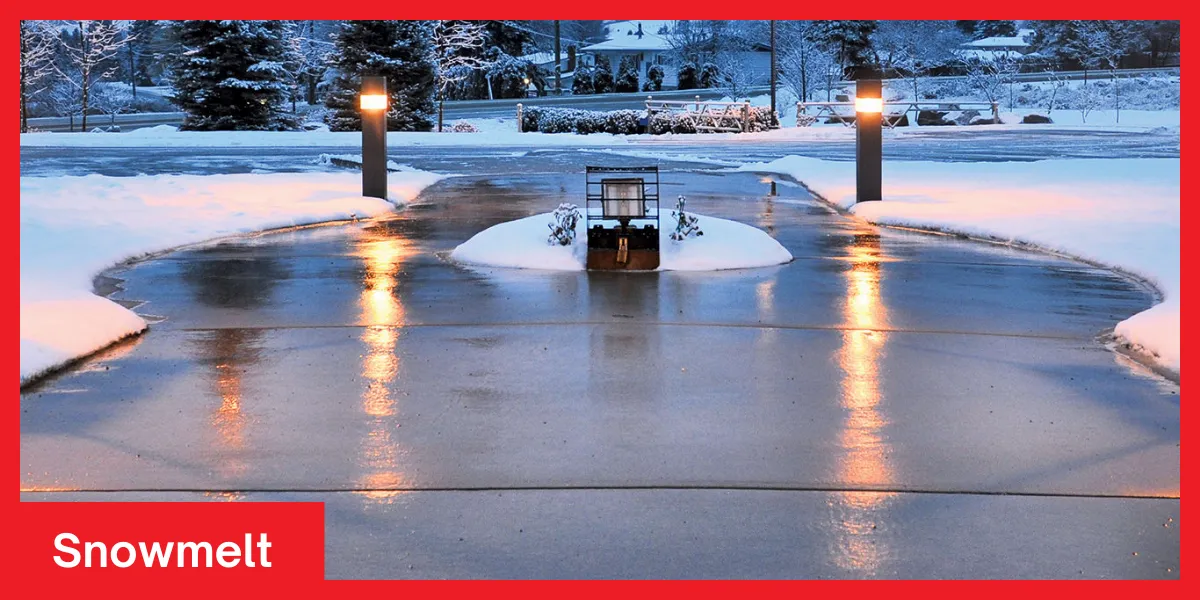
Snowmelt

In cold climates, melting snow can cause flooding. When snow melts too fast, it creates a lot of water. If your drainage system can’t keep up, the water can flow into the basement.

Foundation Cracks
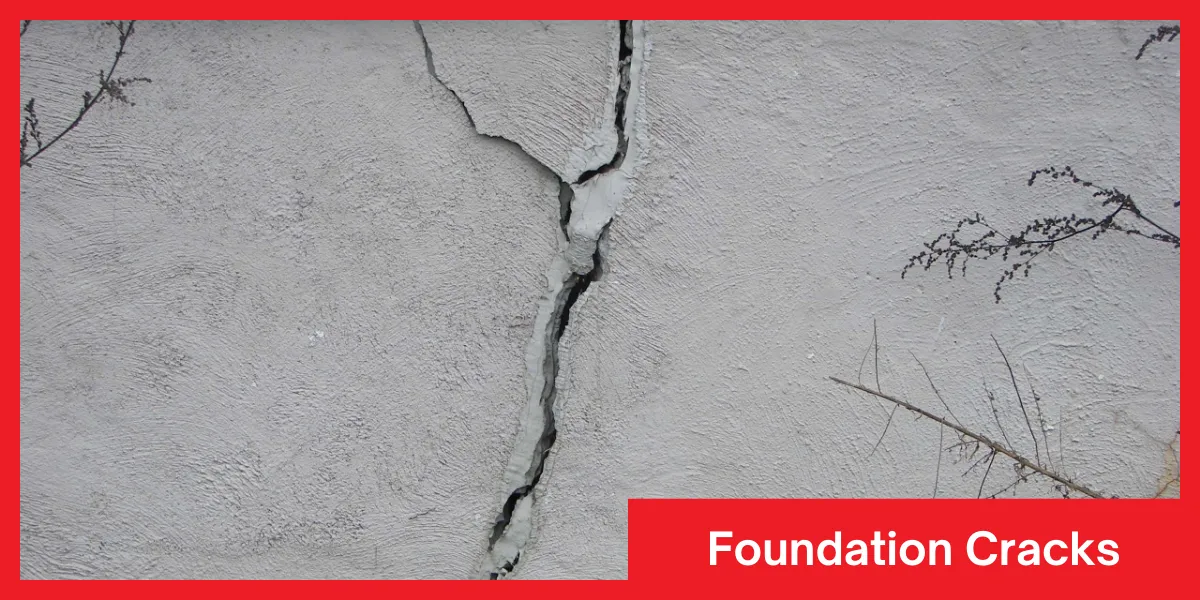
Visual representation of foundation cracks and their contribution to water seepage

Cracks in your home’s foundation allow water to seep inside. Over time, these cracks can get bigger and let in more water.

What to Do When Your Basement Floods?
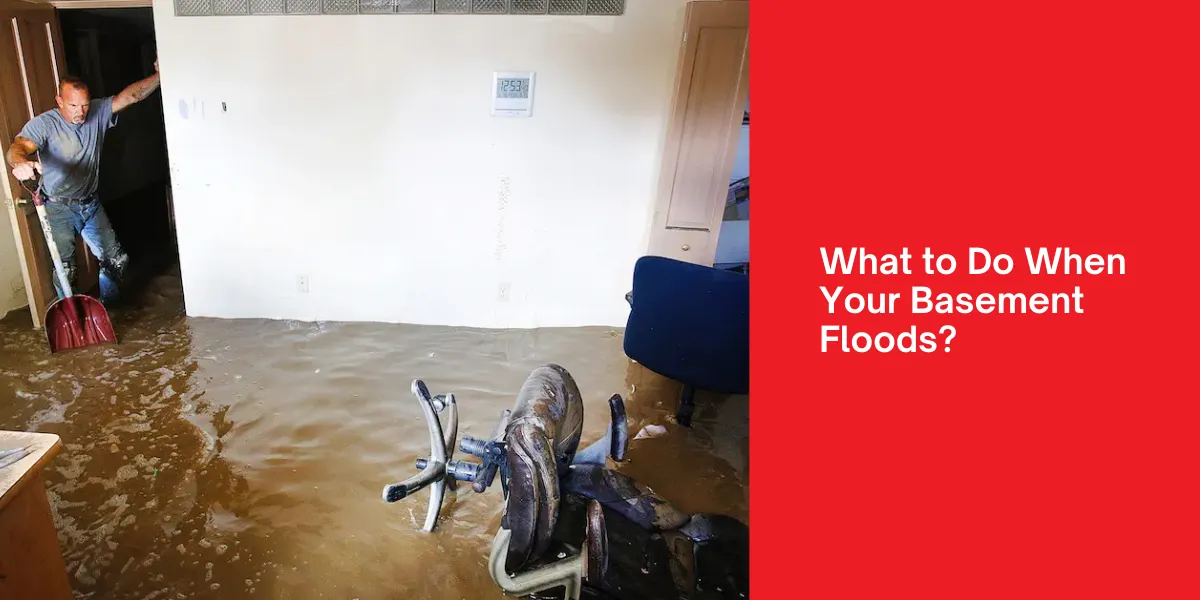
Guide on immediate actions to take when your basement floods

When you first discover that your basement is flooded, it’s important to act fast. 

Here’s what you should do right away:

Safety First

Turn off the power and gas supply. Water and electricity don’t mix! You don’t want to risk getting shocked or causing a fire.

Assess the Situation

Look around and see where the water is coming from. Is it from the rain outside, broken pipes, or a sewer backup? Understanding the cause of the flood is key to fixing it.

Call Professionals (If Necessary)

If the flood is bad or there’s a lot of damage, call a professional. They have the right equipment and experience for basement water removal and flooded basement cleanup.

How to Clean Up and Fix a Flooded Basement
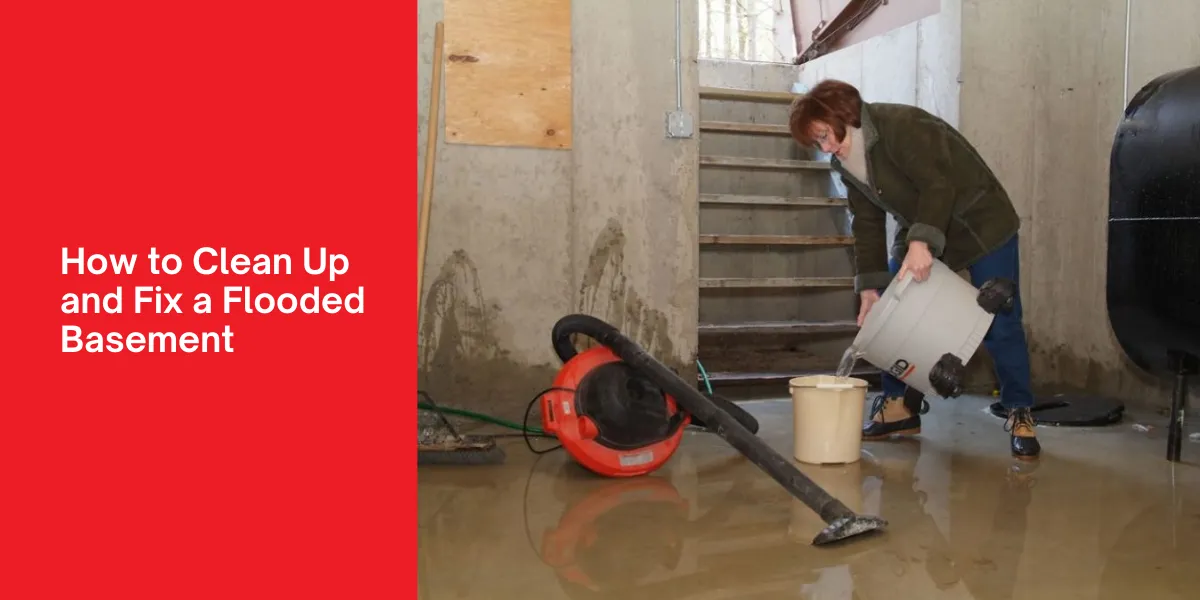
tep-by-step guide on how to clean up and fix a flooded basement.

Once you’ve made sure it’s safe and found where the water is coming from, it’s time to clean up and fix the problem. 

Here’s how:

Water Extraction

Start by removing the water. For water extraction, use a pump or wet vacuum to get rid of it. The faster you remove the water, the less damage your basement will have.

Drying and Dehumidifying

After the water is gone, you need to dry the basement. Use air movers and dehumidifiers to get rid of any leftover moisture. This helps stop mold from growing, which is a common problem after basement water damage.

Cleaning and Sanitizing

A flooded basement is dirty. Clean and disinfect all surfaces, especially if the water comes from sewage. This is a key part of flooded basement cleanup to keep your home safe and healthy.

Repairing Structural Damage

Check for cracks in the walls, foundation, and pipes. Fix them quickly to stop water from coming in again.

Sewer Cleanup (If Needed)

If the flooding involves sewage, clean up carefully. You don’t want harmful bacteria in your home. You’ll probably need professional help for this.

How to Stop Basement Flooding in the Future

Tips and strategies to prevent basement flooding in the future.

Fixing the current issue is great, but let’s make sure it doesn’t happen again. Here’s how you can prevent future flooding:

Improve Your Drainage

Clean your gutters and downspouts often. Make sure they send water away from your home. This simple step helps avoid basement flooding.

Install a Sump Pump

If you don’t have a sump pump, get one. It pumps water out of your basement when it rains too much or snow melts fast. It’s especially helpful if flooding happens often in your area.

Waterproof Your Basement

Seal cracks in the foundation. Add water-resistant coatings to your basement walls. This keeps groundwater from leaking in.

Fix Your Yard’s Slope

Check your yard’s shape. Make sure it slopes away from your house. This stops water from pooling near your basement.

Do Regular Checks

Inspect your foundation and drainage system often. Catch problems early to avoid bigger issues later.

When Should You Call a Professional?
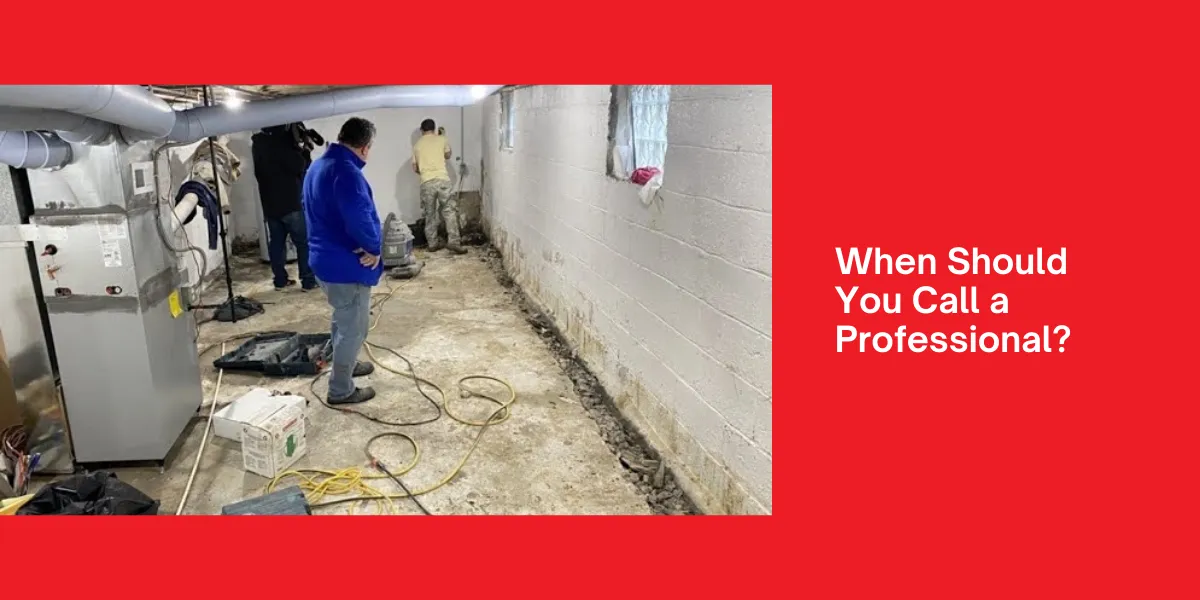
Illustration advising when to call a professional for basement flooding issues.

Sometimes, it’s too much to handle alone. Here’s when to call for help:

When You Need Expert Help

If the water in your basement isn’t going away, or if flooding keeps happening, it’s time to call the pros. Big water damage needs expert tools and experience to fix.

DIY or Call a Pro?

For small problems, you can try fixing things yourself. But if it’s something serious, like sewage backups or foundation cracks, call a professional. It may cost more now, but it saves money later.

If your basement is flooded or you have water damage, don’t worry—SOS Restoration is here to help with Water Damage Restoration! We fix the damage, clean up the mess, and make your home safe again.

We also take care of all the paperwork and deal with your insurance company, so you don’t have to stress. From stopping leaks to getting rid of mold and fixing your space, we handle everything.

The best part? We’re here 24/7, ready to help whenever you need us!

Does Renters Insurance Cover Floods?

Wondering if renters insurance covers basement floods? Some policies do, but not all. Check with your insurance company to know what’s covered. You might need extra flood insurance.

Want to learn about the 3 categories of water damage covered by homeowners insurance? Then, you can check out this informative blog now!

Wrapping Up

A flooded basement is super stressful, but you can handle it with quick action. Fix the problem fast and take steps to prevent future flooding. Plus, keep your drainage system clean. Think about waterproofing your basement. Also, watch for small issues before they get bigger.

Act fast when you see flooding, and follow the right steps to fix it. 

Your home will be safer, and you’ll avoid bigger problems later!


FAQs

  • How often should I inspect my basement for water issues? 

    Inspect at least twice a year, especially after heavy rains or snowmelt, to catch problems early.

  • Does basement waterproofing work for all types of flooding? 

    It helps with groundwater seepage but may not stop major flooding from heavy rain or sewage backups.

  • Can basement flooding affect my health? 

    Yes, standing water can cause mold and bacteria to grow, leading to respiratory issues and allergies.

  • How long does it take to dry a flooded basement? 

    It depends on the extent of flooding but can take anywhere from 1-3 days with proper drying tools.

Posted on: January 27, 2025

What is Water Extraction?: The Complete Guide

Imagine that you walk into your home, and there’s water everywhere. Maybe it’s from a burst pipe, a leaky roof, or even a flood. Your floors are soaked, your furniture is wet, and the smell of dampness is setting in. You start to panic. What do you do now?

This is where water extraction comes in. So, what is water extraction? It’s the first step to saving your home, your belongings, and your sanity. Without it, the damage can get worse—

  • mold starts growing, 
  • walls weaken,
  • and your space becomes unsafe.

If you’ve ever faced this or want to be prepared just in case, this guide is for you. 

Let’s walk through everything you need to know to tackle water problems quickly and effectively.


Key Takeaways:

  • Water extraction removes water from homes after floods, leaks, or broken pipes to stop further damage.
  • Acting fast prevents problems like mold, weakened walls, and ruined furniture.
  • Professionals use tools like pumps, fans, and dehumidifiers to clean and dry everything.
  • DIY is possible for small issues, but big problems often need experts.
  • Regular maintenance, like fixing leaks and cleaning gutters, helps prevent future water damage.
  • Always check for hidden moisture to avoid long-term issues.

What is Water Extraction?


Water extraction means removing standing water from your home or property. It’s done to stop further damage and restore the space.

Why is Water Extraction Important?

  • Protects Your Home: Water can weaken walls, floors, and ceilings.
  • Prevents Mold: Standing water can cause mold to grow fast. According to the Centers for Disease Control and Prevention (CDC), mold can grow within 24 to 48 hours of flooding and cause health issues like asthma, allergies, and infections.
  • Saves Your Belongings: Furniture and appliances can be saved if water is removed quickly.


Who Needs It?

  • Homeowners after floods or leaks.
  • Businesses dealing with water damage.
  • Industrial facilities with water issues.

What Causes Water to Accumulate?

Here are the common reasons why water collects in your home:

  • Flooding: Heavy rains or natural disasters.
  • Burst Pipes: Old or frozen pipes breaking open.
  • Sewage Backup: Wastewater coming back into your home.
  • Leaks: From roofs, washing machines, or air conditioners.

Besides, you can check out this insightful blog to learn the signs of water damage.

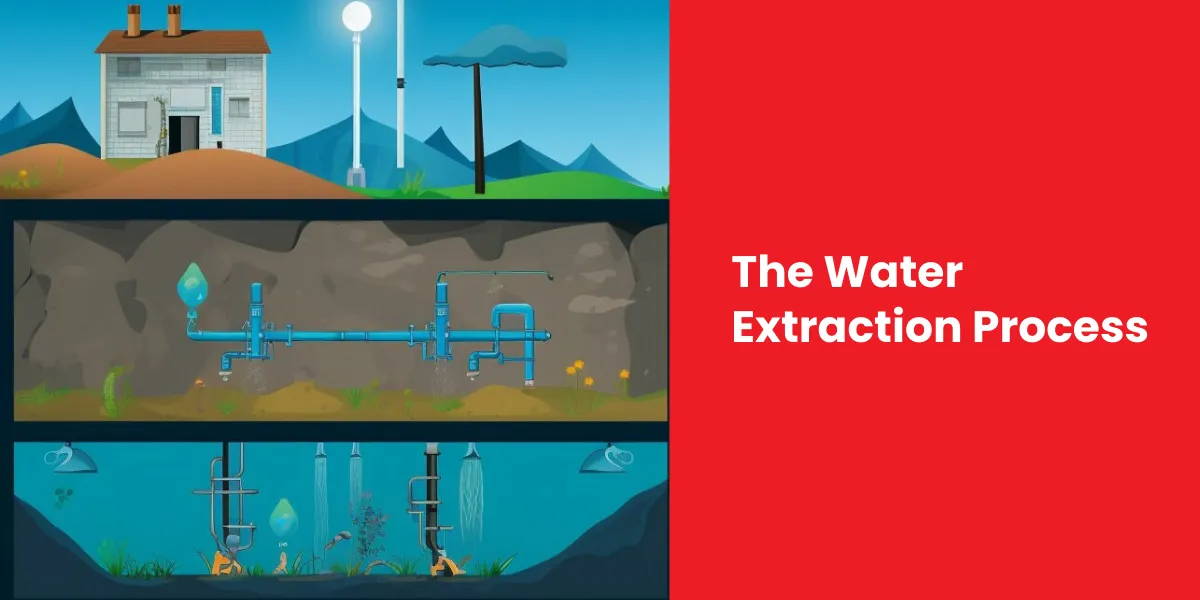
The Water Extraction Process

Illustrated infographic showing underground water extraction with pipes connecting to a house.

Let’s break down the water extraction process step by step. This is exactly what happens when professionals come to fix water damage:

Water Extraction Machine/ Tools and Equipment Used

Equipment Purpose
Submersible Pump Removes standing water
Industrial Fan Dries surfaces faster
Infrared Camera Finds hidden moisture
Dehumidifier Removes moisture from air


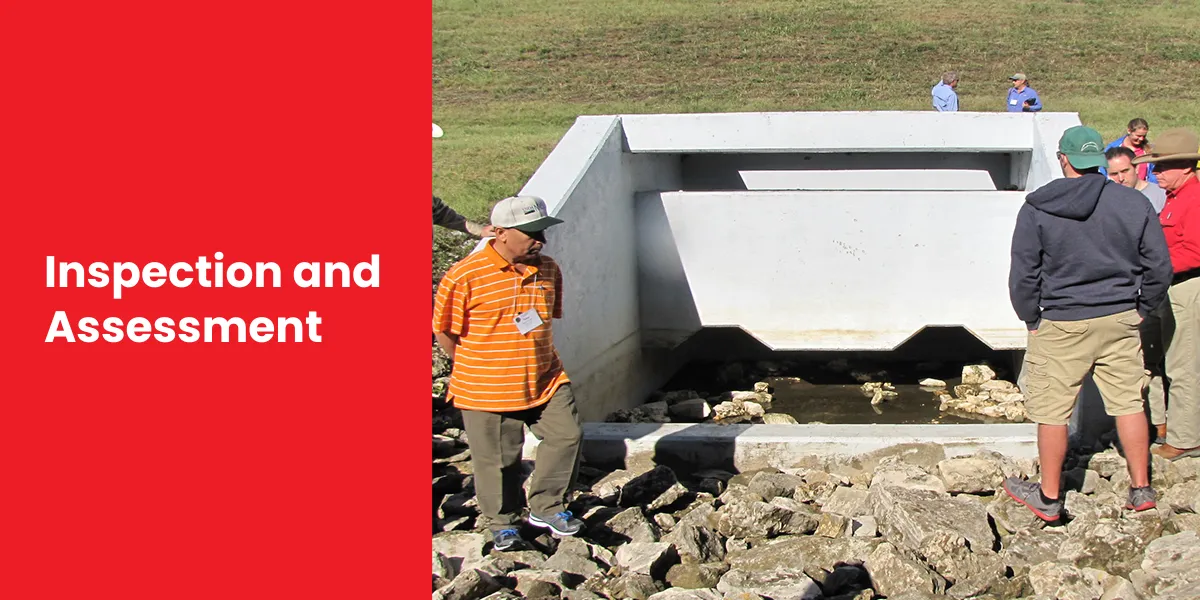
Step 1: Inspection and Assessment

Group of people inspecting a concrete drainage structure with rocky surroundings

The first thing they do is inspect the damage. They check where the water came from and how bad the situation is.


There are three types of water they look for:

  • Clean Water:
  • Comes from rain or faucets.
  • It’s low risk because it’s not dirty.
  • Grey Water:
  • Comes from washing machines or showers.
  • It’s a bit dirty and can cause some health issues.
  • Black Water:
  • Comes from sewage or floodwaters.
  • It’s highly dangerous and full of bacteria.

Professionals figure out the water type first because it decides how they will handle the situation.

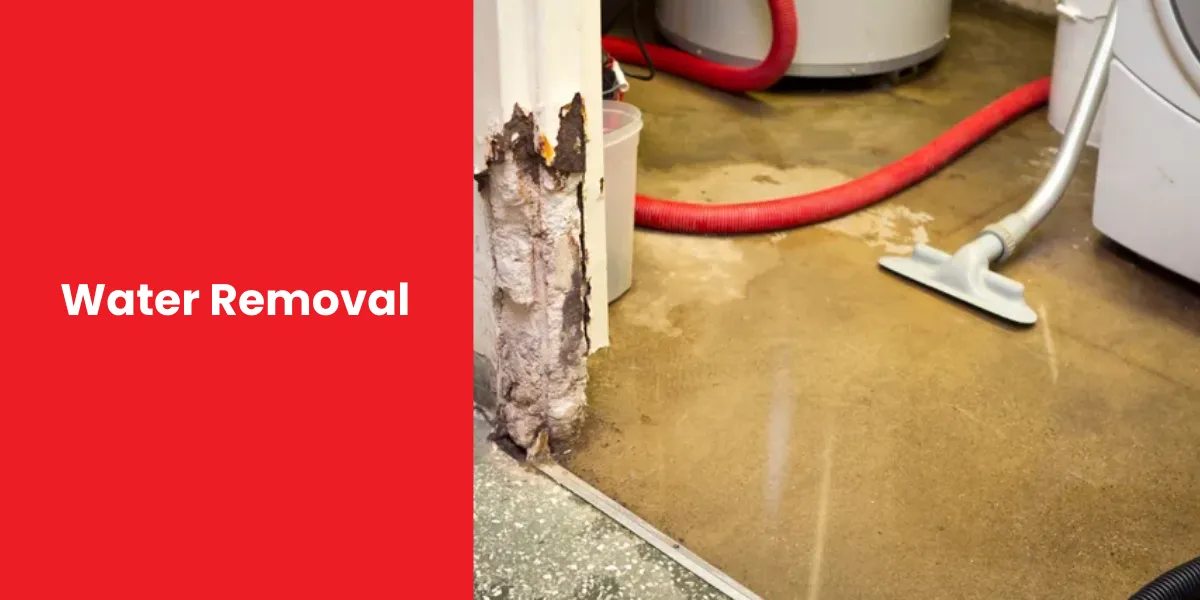
Step 2: Water Removal

Water removal process in progress with a vacuum suction tool on a wet floor near a washing machine

Next, they remove all the standing water. This is the most urgent step because water sitting too long can cause more damage.

  • They use extractor water pumps or vacuums to pull out water quickly.
  • A commercial pump can remove hundreds of gallons per hour!

This step is all about getting the big pools of water out of your home.

Step 3: Drying and Dehumidifying

Industrial drying and dehumidifying machine with a blue and gray design against a red background

Once the standing water is gone, they dry everything. Water can soak deep into carpets, walls, and furniture, so this step is important.

  • They use dehumidifiers to remove moisture from the air.
  • Fans are used to dry out surfaces quickly.
  • Moisture meters check for hidden water in walls, under floors, or inside furniture.

This step ensures that no moisture is left behind. If water stays hidden, it can lead to mold and damage later.

Step 4: Cleaning and Sanitizing

Person mopping a commercial kitchen floor with a caution wet floor sign nearby

Water damage often leaves behind dirt, bacteria, and bad smells. This step makes sure everything is safe and clean again.

  • They disinfect surfaces to kill bacteria.
  • Special cleaning solutions are used to prevent mold.
  • Carpets, walls, and furniture are sanitized to make them safe to use again.

This step is especially important if the water was dirty, like grey or black water.

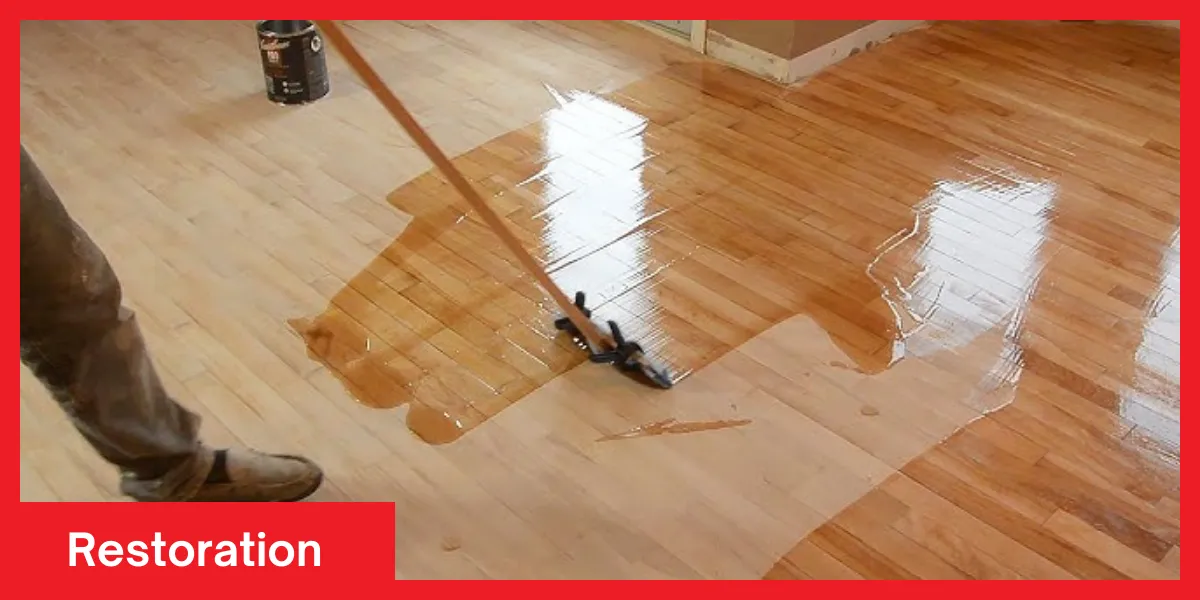
Step 5: Restoration

Person applying a glossy wood finish during a floor restoration process

After cleaning, they repair the damage. This step brings your home back to normal.

  • They fix or replace damaged walls, floors, and ceilings.
  • Furniture and appliances that can be saved are cleaned and restored.
  • If anything is beyond repair, they’ll remove it safely.

The goal is to make your home look like nothing ever happened.

Challenges in Water Extraction

Rusty outdoor water tap with a single droplet falling, symbolizing water scarcity challenges

  • Hidden Moisture: Water can hide under carpets or inside walls.
  • Contaminated Water: Black water is dangerous and needs expert handling.
  • Mold Growth: Delays can lead to mold spreading quickly.

Tips for Effective Water Extraction

Large industrial hose releasing water onto a wet pavement with orange traffic cones in the background

Here are some simple but important tips to handle water extraction like a pro:

1. Act Fast

Don’t wait! The longer the water sits, the worse the damage gets.

  • Water can soak into floors, walls, and furniture.
  • Mold starts to grow within 24 to 48 hours.
  • Acting quickly saves your home from more damage and higher repair costs.

2. Check for Hidden Water

Sometimes, water hides where you can’t see it. This is dangerous because it can cause mold or weaken your home.

  • Use a moisture meter to find water inside walls, under floors, or behind furniture.
  • If you don’t have a meter, professionals can check it for you.

3. Dry Everything Completely

Don’t rush into repairs before the area is fully dry.

  • Use fans and dehumidifiers to dry the space.
  • Check carpets, furniture, and even the air for moisture.
  • Take your time—it’s better to wait a little longer than deal with mold later.

4. Prevent Future Problems

Once everything is fixed, take steps to stop it from happening again.

  • Seal cracks in your walls or foundation to keep water out.
  • Check your pipes regularly for leaks or rust.
  • Clean gutters and make sure water flows away from your house.
  • Install a sump pump if your basement floods often.

5. Call for Help if Needed

If the water damage is too big, don’t try to handle it alone.

  • Professionals have the tools and skills to fix everything properly.
  • They can also make sure no hidden water or mold is left behind.

If you need pro help handling water damage, call SOS Restoration for Water Damage Restoration. We fix everything from small leaks to big floods. 

Our team dries, cleans, and restores your space quickly. 

We’re available 24/7 for emergency water extraction and ready to help anytime!

Wrapping Up

So, coming to this point, we can assume that you now have a pretty good idea of the question, “What is Water Extraction?” Water extraction saves your home after floods or leaks. Act fast, and don’t ignore water damage. 

You can do it yourself or call a pro for water extraction services. Just make sure it’s done properly!

Water damage on the ceiling is very common. So, you can check out this insightful blog to learn all about it.


FAQs

  • How does a water extractor work?Water extractors use strong suction to pull water from surfaces like carpets and floors. They then store the water in a holding tank. They’re like a wet/dry vacuum but much stronger. They’re made for big jobs, like removing large amounts of water after floods or leaks.
  • How long does water extraction take?The time it takes for water extraction depends on how bad the damage is, how big the area is, and what materials are affected.
    For small leaks, it might only take a few hours. But if there’s a lot of flooding, it could take several days to get everything cleared out and dried properly.
  • Is water extraction good?
    Yes, water extraction is super important after flooding or leaks. It helps reduce damage and stops mold from growing.
    If water isn’t removed quickly, it can cause serious problems like weakened structures or health issues. So, it’s a key step in making sure your home is safe and healthy again.
  • What are the consequences of water extraction?
    Water extraction is crucial for restoring your home, but if done wrong, it can cause more problems. Drying too fast can hurt the structure, and using unsanitary methods might spread contamination.
    So, it’s important to get it done right to avoid extra costs and issues.


Posted on: January 27, 2025

7 Steps on How to Get Insurance to Pay for Water Damage

Imagine this. You step into your basement and—splash! Water everywhere. It’s overwhelming, right? But don’t worry. Take a breath. You’re not alone in this.

Water damage can feel like a disaster, but here’s the good news: your home insurance might help. The trick is knowing how to handle the process.

In this blog, we’ll walk you through the steps on how to get insurance to pay for water damage. It’s simple, we promise. 

By the end, you’ll know exactly what to do and how to handle it like a pro. 

Let’s get started!

1. Immediate Actions After Discovering Water Damage

Immediate Actions After Discovering Water Damage

Before starting the water damage post-work process, let’s answer the common question that might occur: 

Will home insurance cover water damage? 

Yes, but it depends. Insurance covers sudden damage, not long-term leaks. 

Identify & Stop the Source of Water

  • Find where the water is coming from.
  • Shut off the main valve or the affected appliance.
  • Call a plumber if you can’t stop it.

What happens if the water company won’t repair service? If a city pipe is causing the damage, call your municipality. They might cover it, but getting a resolution can take time.

Assess Safety Risks

  • Electrical hazards – If water is near outlets, shut off power.
  • Structural risks – Watch for sagging ceilings or crumbling walls.
  • Contaminated water – Avoid touching water from sewers or chemicals.

If you spot a leak in your ceiling, here’s how to handle water damage on the ceiling quickly.

Document the Damage Immediately

  • Take photos & videos – Before cleaning, document everything.
  • Save receipts – If you pay for emergency repairs, keep proof.
  • Start a damage log – Write down what was damaged and when.

How to make a successful water leak insurance claim

  • Provide clear, dated photos.
  • List all damaged items.
  • Keep records of all repairs and conversations with the insurer.

2. Understand Your Insurance Coverage

Understand Your Insurance Coverage

Before diving into the details, let’s break down what your home insurance might or might not cover when it comes to water damage.

What Types of Water Damage Are Covered?

Home insurance usually helps with sudden and unexpected water damage. Here are examples:

  • Plumbing problems: If a pipe bursts or suddenly fails, you’re covered.
  • Frozen pipes: If cold weather causes pipes to freeze and break, insurance steps in.
  • Roof leaks and ice dams: If a storm damages your roof and causes water leaks, insurance often covers it.
  • Vandalism-related water damage: If someone damages your property and it leads to water issues, insurance can help.

What Water Damage is NOT Covered?

Not all water damage is covered. Here’s what insurance won’t usually pay for:

  • Slow leaks or poor maintenance: If you ignored a small leak and it got worse, that’s on you.
  • Flooding: Regular home insurance doesn’t cover floods. You need separate flood insurance for that.
  • Water seepage through your foundation: If water slowly seeps in from outside, it’s not covered.
  • Sewer or sump pump backups: Unless you’ve added extra coverage for this, it won’t be included.

**Important note: Home insurance doesn’t cover things like wear and tear, neglect, or gradual damage.

Review Your Insurance Policy

Understanding your policy is super important. Here’s what to look for:

  • Named Peril vs. All-Risk Policies:
  • A Named Peril policy covers specific problems listed in your policy (like fire or burst pipes).
  • An All-Risk policy covers almost everything unless the policy specifically excludes it.
  • ACV vs. RCV:
  • Actual Cash Value (ACV) is based on what the damaged item is worth now (factoring in age or wear).
  • Replacement Cost Value (RCV) pays for a brand-new replacement.

**Take time to check your policy. It’ll help you avoid surprises when filing a claim!

Interested in learning about the 3 categories of water damage covered by homeowners insurance? Then, you can visit this insightful blog now!

3. Reporting the Claim to Your Insurance

Reporting the Claim to Your Insurance

After water damage, the next step is filing a claim with your insurance company. 

Let’s walk through what you need to do.

When & How to Contact Your Insurance Company

Don’t wait too long. Call your insurance company as soon as possible after the damage happens.

Here’s what you need to do:

  • Give details of the damage: Explain what happened and how bad it is.
  • Provide photos: Take pictures of the damage and send them to your insurer. This helps show the extent of the damage.
  • Ask about temporary living expenses: If your home is unlivable, ask if your policy covers temporary living costs.

The Role of Your Insurance Agent

Your insurance agent is there to help. 

Here’s what they do:

  • Help you get a fair payout: An independent agent works for you, not the insurance company.
  • Negotiate on your behalf: They’ll talk to your insurer and fight for the compensation you deserve.

Possible Risks of Filing a Claim

Filing a claim sounds like a solution, but there are some things to keep in mind:

  • Your premium might increase: After a claim, your insurance company may raise your premium.
  • Policy non-renewal: Some insurers might choose not to renew your policy after you file a claim.

Should I File a Claim for Water Damage?

Before filing, check your deductible.

  • If the cost of repairs is less than your deductible, it’s probably not worth filing the claim.
  • If it’s higher, filing a claim might make sense, but consider the risks.

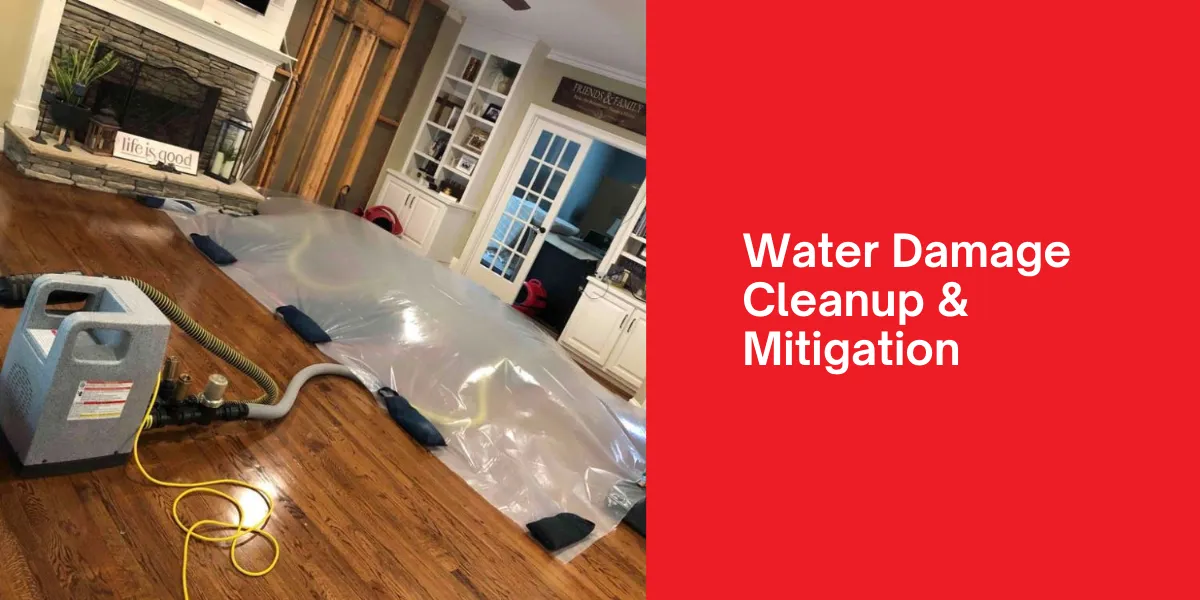
4. Water Damage Cleanup & Mitigation

Water Damage Cleanup & Mitigation

Follow the below instructions carefully.

Hiring a Water Damage Restoration Company

  • Water extraction companies remove water, dry your home, and prevent mold.
  • Always check reviews and get multiple estimates.

Preventing Mold & Secondary Damage

  • Mold grows in 24-48 hours.
  • Use fans and dehumidifiers, and remove wet items.

Determining If You Need to Leave Your Home

  • If mold or structural damage is bad, leave.
  • Your insurance might cover hotel costs.

5. Working with the Insurance Adjuster

Working with the Insurance Adjuster

After you file a claim, an insurance adjuster will come to inspect the damage. 

Here’s what to expect and how to handle it.

The Adjuster’s Inspection Process

The adjuster will visit your home to assess the damage.

Here’s what you need to do:

  • Answer their questions honestly: The adjuster will ask about what happened. Be truthful and detailed.
  • Don’t accept a low estimate right away: They may give you an estimate but don’t agree immediately. You have the right to review and negotiate.

Understanding Loss Settlement (ACV vs. RCV)

Now, let’s talk about the payout you can expect. 

There are two types of coverage:

  • Actual Cash Value (ACV): This pays you what the damaged item is worth now, considering age and wear.
  • Replacement Cost Value (RCV): This covers the full cost of replacing the damaged item with a new one.

Here’s an idea of what insurance might pay for different types of damage:

  1. Burst Pipes: You could get between $5,000 and $10,000 for burst pipes.
  2. Roof Leaks: Roof damage might get you around $3,000 to $8,000.
  3. Major Flooding: Severe flooding can lead to payouts of $20,000 or more.

Getting Multiple Contractor Estimates

To make sure you’re getting a fair payout, always get multiple estimates from contractors.

Here’s why:

  • Compare quotes: Different contractors might charge different prices for repairs.
  • Use higher estimates to negotiate: If one estimate is higher, you can use it to negotiate a better payout with your insurance company.

6. Claim Settlement & Negotiation

Claim Settlement & Negotiation

How to Ensure a Fair Settlement

  • If the payout is too low, ask for a reassessment.
  • Your agent can help you negotiate a better offer.

Water damage insurance claim tips

  • Get everything in writing.
  • Keep receipts for all repairs.
  • Don’t accept the first offer if it’s too low.

What to Do If Your Claim Is Denied

  • Request a detailed reason for denial.
  • Hire a public adjuster if needed.
  • If unfairly denied, consider legal action.

7. Insurance Aftermath: Policy Renewal & Premium Changes

Insurance Aftermath: Policy Renewal & Premium Changes

Risk of Non-Renewal or Cancellation

  • Too many claims? Your insurer might not renew.
  • Reduce risk by preventing future damage.

The insurance carrier will pick up coverage if a claim is… A one-time event, but multiple claims in a short time can be a red flag.

Should You Switch Insurance Companies?

  • If your premium jumps, compare new policies.
  • Look for insurers with better water damage coverage.

How to Prevent Future Water Damage Claims

  • Install leak detection devices.
  • Regularly inspect plumbing and appliances.
  • Consider adding flood insurance.

If you want to skip the hassle of hiring multiple contractors and dealing with insurance claims, SOS Restoration is here to help. We work directly with your insurance company to handle water, fire, mold, and hazardous damage. 

Available 24/7, we’re ready to guide you through the entire water damage restoration process. Your needs come first—call us today!

Conclusion

So, coming to this point, we can assume that you now know how to get insurance to pay for water damage. Act quickly, know your coverage, work with pros, negotiate if needed, and prevent future damage—this will make dealing with water damage easier.

FAQs

  • What do home insurance companies don’t cover?Home insurance usually doesn’t cover flooding, slow leaks, or damage from poor maintenance.
  • What is the average insurance payout for water damage?Average payouts for water damage range from $3,000 to $20,000+, depending on the type and severity.
  • Does home insurance cover water damage from a flood?No, regular home insurance doesn’t cover floods; you’ll need separate flood insurance.


Posted on: January 27, 2025

Is That a Leak in the Ceiling? How to Handle Water Damage to a Ceiling

Water damage to a ceiling can cause big problems. It can make your house weak, lead to mold, and cost a lot to fix. That’s why it’s important to act fast when you spot it. 


You might want to know: “What does water damage look like on the ceiling?” and “How do I fix it?” This guide will show you the signs of water damage, how to fix it, and how to stop it from happening again.

Let’s get into the details of this topic.


Key Takeaways:

  • Water damage on the ceiling can cause mold and weaken your home.
  • Look for stains, sagging, cracks, or peeling paint to spot water damage.
  • Early signs of damage help you fix the problem before it gets worse.
  • Call a plumber or roofing expert to fix leaks.
  • Dry the area and repair the ceiling to prevent further damage.
  • Regular roof and plumbing checks help avoid water damage in the future.

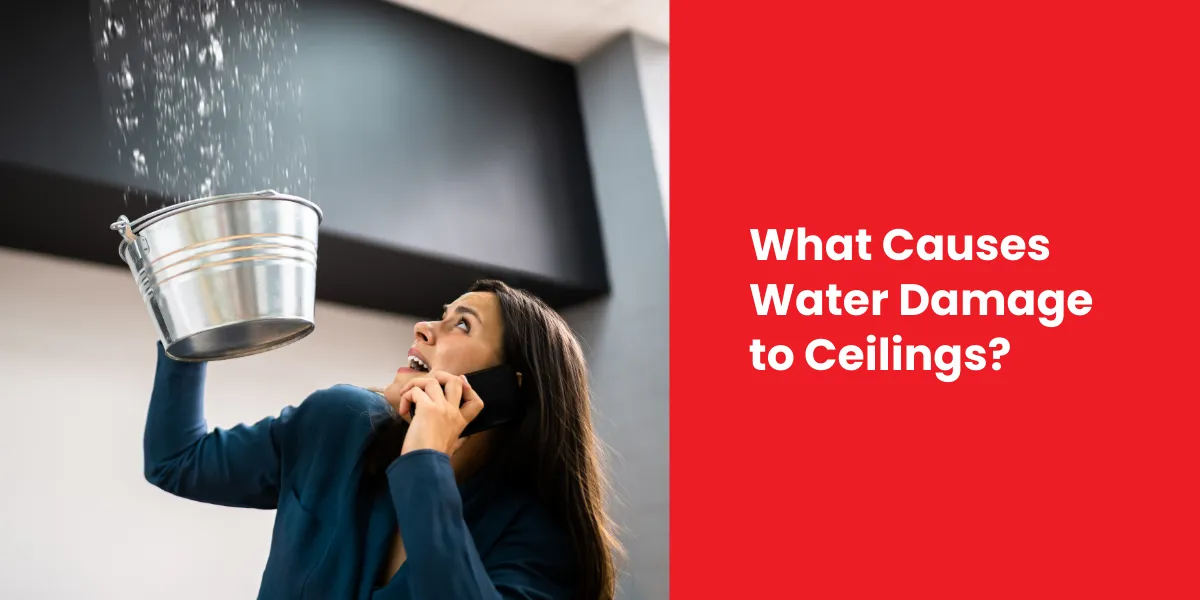
What Causes Water Damage to Ceilings?

What Causes Water Damage to Ceilings

Ceiling damage from water can happen because of several reasons. 


Here are the most common causes:


  • Leaky Pipes: Pipes inside the walls or above your ceiling can leak and drip water onto the ceiling below.


  • Roofing Issues: If the roof has leaks, water can trickle down into your ceiling.


  • Plumbing Leaks: Water from bathrooms, kitchens, or other areas can leak through the ceiling if pipes break.


  • Flooding from Higher Floors: Water from an upper floor can leak through the ceiling to the rooms below.

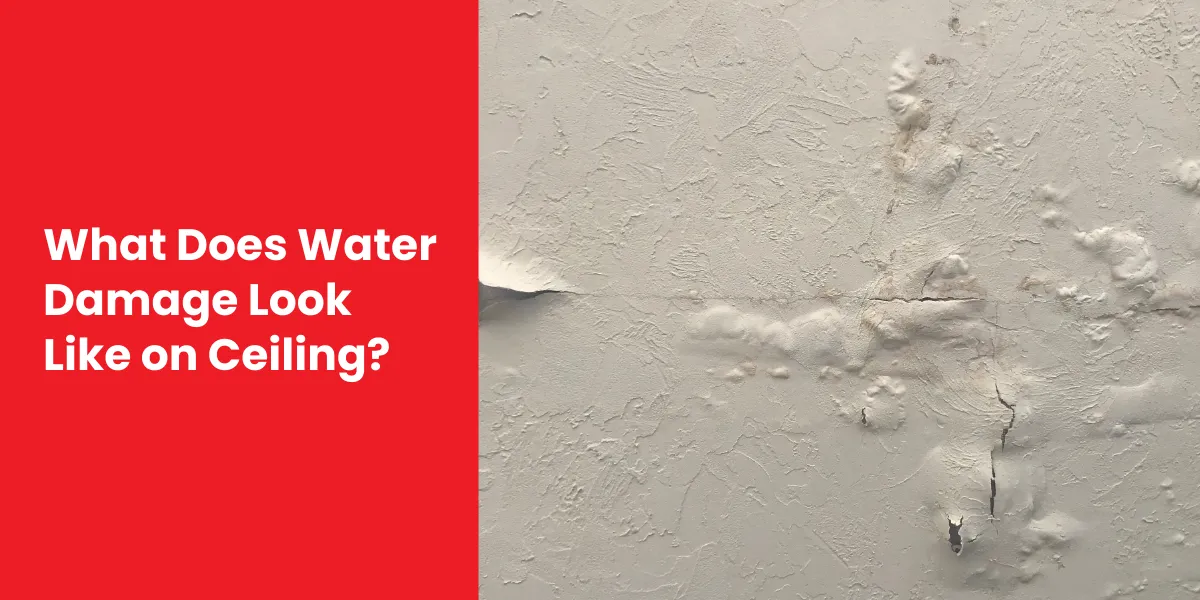
What Does Water Damage Look Like on Ceiling?

What Does Water Damage Look Like on Ceiling

Water damage doesn’t always look the same, but here are the signs of a water leak in the ceiling:


  • Water Stains: Yellowish or brown stains on the ceiling are one of the first signs of water damage.


  • Sagging Ceiling: If your ceiling feels soft or droops, it means the drywall is waterlogged.


  • Bubbling Paint or Wallpaper: Water can cause paint or wallpaper to bubble or peel off.


  • Mold and Mildew: Water creates the perfect environment for mold and mildew to grow.

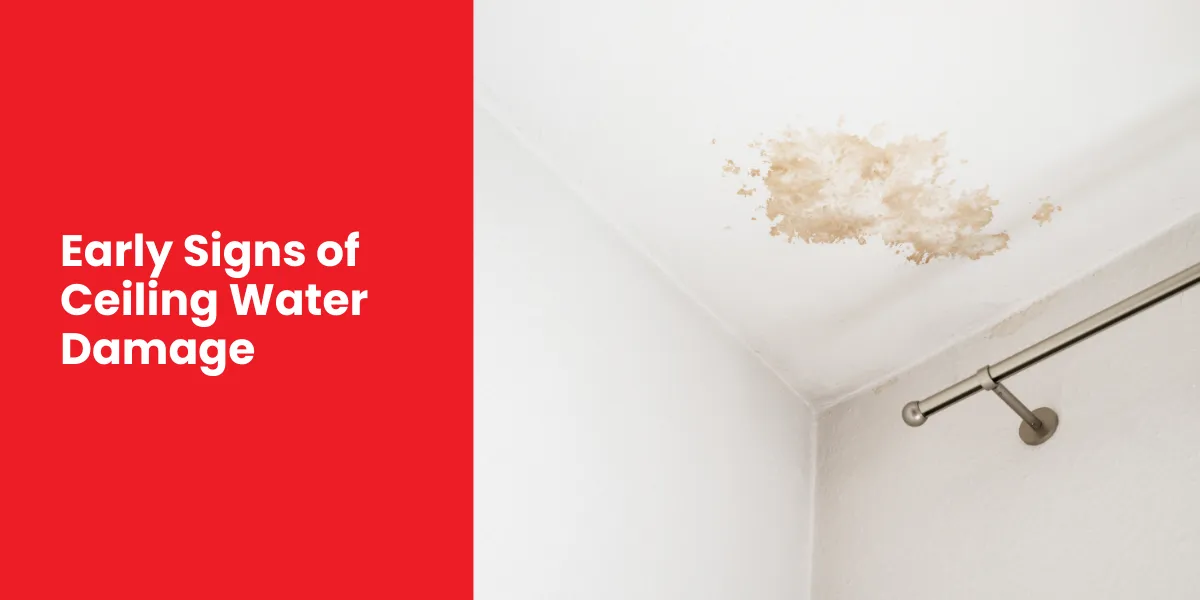
Early Signs of Ceiling Water Damage

Early Signs of Ceiling Water Damage


It’s important to catch water damage early. Here’s what to look for:


  • Crack in Ceiling Water Damage


  • A crack in the ceiling often happens when moisture builds up, weakening the drywall. You may notice hairline cracks or even bigger ones as the ceiling sags under the weight of the water.


  • Discoloration


  • Dark or yellowish patches can show up when water leaks in. These stains often spread, getting darker over time.


  • Sagging or Bulging


  • Waterlogged drywall might sag or bulge. If you see this, the water is likely damaging the structure of the ceiling.


  • Mold Growth


  • Mold or mildew may grow in areas where water has leaked. It may come with a musty smell, which is a sign that you need to act fast.


 Common Signs of Water Damage Appearing on the Ceiling


Sign of Damage Description Potential Cause
Water Stains Yellow or brown spots on the ceiling. Leaky pipe, roofing problem.
Sagging Ceiling Ceiling bulges or droops under moisture. Plumbing leaks, roof damage.
Cracking Hairline fractures or larger cracks. Long-term water exposure.
Peeling Paint/Wallpaper Paint or wallpaper lifts or cracks. Continuous moisture exposure.


You can check out this insightful blog to learn all about the signs of water damage.

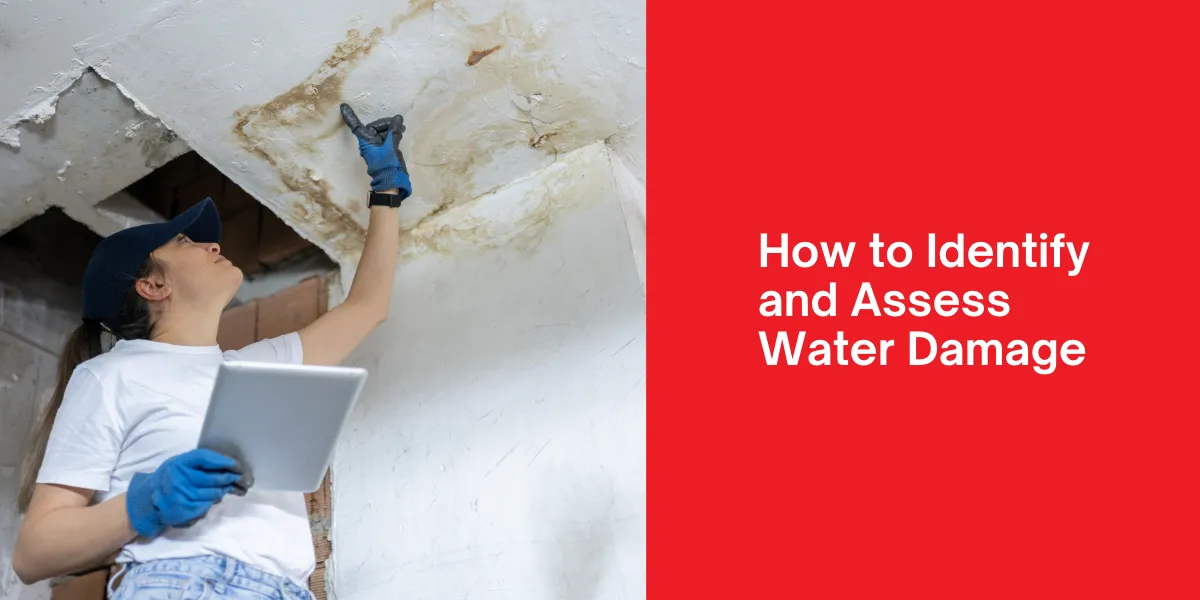
How to Identify and Assess Water Damage

How to Identify and Assess Water Damage


Here are the steps to assess water damage in your ceiling.


Step Action Outcome
Step 1: Visual Inspection Look for stains, cracks, or discoloration. Identify where water may have seeped in.
Step 2: Check for Mold Search for mold or mildew near the leak. Mold indicates prolonged water exposure.
Step 3: Check Plumbing If ceiling is under pipes, check for leaks. Pinpoint the source of water.

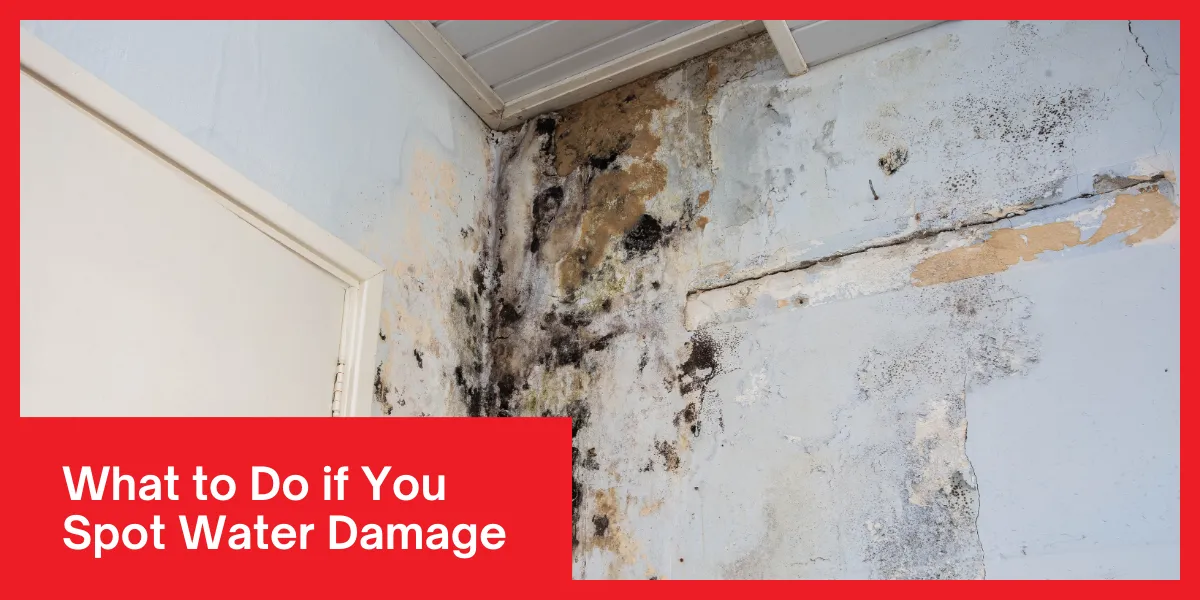
What to Do if You Spot Water Damage

What to Do if You Spot Water Damage


  • Safety First: If the leak is severe and the ceiling looks like it could collapse, evacuate immediately and call for professional help. You don’t want to risk your safety.


  • Shut Off the Water Supply: If the water is coming from a plumbing leak, turn off the water supply right away. This will stop more water from leaking.


  • Contain the Leak: Use buckets or containers to catch the water and prevent further damage to your home. This will help reduce the water spread.


  • Dry the Area: Use fans or a dehumidifier to dry the affected area. The faster you dry the ceiling, the less chance it is for mold or mildew to grow.


 Steps to Fix Water Damage 


Step What to Do
Step 1: Dry the Ceiling Use fans, towels, or a dehumidifier to dry the area.
Step 2: Remove Damaged Parts Take out wet drywall or ceiling tiles if badly damaged.
Step 3: Fix the Leak Repair the plumbing or roof causing the leak.
Step 4: Repaint and Restore Repaint or fix the ceiling once it’s fully dry.

Who to Call for Water Leak in Ceiling

Who to Call for Water Leak in Ceiling

  • Plumber: If the water damage is caused by a plumbing issue, a plumber should be called to fix the leak.


  • Roofing Professional: If the damage is due to roof leaks, call a roofing contractor to inspect and repair it.


  • Water Damage Restoration Company: If the damage is extensive, hiring a water damage restoration expert will help remove excess water, dry the area, and prevent mold growth.


  • Insurance Company: In some cases, it might be worth calling your insurance provider to file a claim for the damages.


If you’re facing water damage, don’t worry—we’ve got you covered! At SOS Restoration, we fix the damage, clean up the mess, and make sure your home is safe again. 


We also handle everything with your insurance company, so you don’t have to stress about claims or paperwork. From stopping leaks to removing mold and restoring your space, our team takes care of it all. 


Plus, we’re available 24/7 to help whenever you need us.

Preventing Future Water Damaged

Preventing future water damage is key to keeping your home safe:


  • Regular Maintenance: Make sure your roof is regularly inspected and repaired.


  • Check Plumbing: Periodically inspect your plumbing, especially in areas prone to leaks.


  • Proper Insulation: Insulate your attic or ceiling spaces to prevent condensation that could lead to water damage.

Wrapping Up

So, that’s all you need to know. Spotting water damage on your ceiling early can save you big problems later. Look for signs like stains, sagging, or cracks. Know who to call when you see a ceiling leak. Act fast to fix it!


FAQs

  • Can a water-damaged ceiling be fixed?Yes, you can fix a water-damaged ceiling. If it’s a minor damage, just dry it and paint it. For significant damage, you might need to replace parts of the ceiling.
  • What do I do if I see water damage on my ceiling?First, identify and stop the source of the leak if possible. Then, assess the damage and, depending on its severity, either dry the area yourself or call a professional for repairs and further assessment.
  • Is water damage to the ceiling covered by insurance?Most homeowners insurance policies cover sudden and accidental water damage, like a burst pipe. However, damage due to neglect, lack of maintenance, or gradual leaks may not be covered.
  • Who to call for water damage in a ceiling?For plumbing-related leaks, call a plumber; for roof leaks, contact a roofing contractor. For extensive damage or mold issues, a water damage restoration company is the best option.
  • How can I tell the difference between a past water stain and an active leak?Active leaks often have wet or damp areas around the stain. Past stains are dry and may feel brittle or flaky to the touch.
  • Can a small ceiling leak fix itself?No, a ceiling leak won’t fix itself. You need to fix the cause to stop more damage and mold from growing.
  • How long does it take for mold to grow after a ceiling leak?Mold can start growing in 1-2 days after a ceiling leak, especially in damp, dark areas. Drying quickly is important.


Posted on: January 27, 2025

8 Signs of Water Damage: What to Do Now?

Water damage can be a sneaky problem. It starts small, but if ignored, it can cause big trouble. We’re talking about health risks, structural damage, and even hefty repair bills. 

Did you know that the average cost to repair water damage is $3,780? That’s a lot, right? This guide will show you how to spot the signs of water damage, why it’s dangerous, and what you should do right away.

Let’s get into the details of this topic.

Key Takeaways:

  • Water damage is costly—repairs average $3,780—so early detection is crucial.
  • Warning signs include musty smells, water stains, high humidity, and sagging walls or floors.
  • Ignoring water damage leads to health risks, structural issues, and electrical hazards.
  • Act fast: find the source, document damage, and call professionals if needed.
  • Prevent damage by checking pipes, roofs, and HVAC systems regularly and using dehumidifiers.
  • Always address water damage within 24 hours to minimize long-term risks.

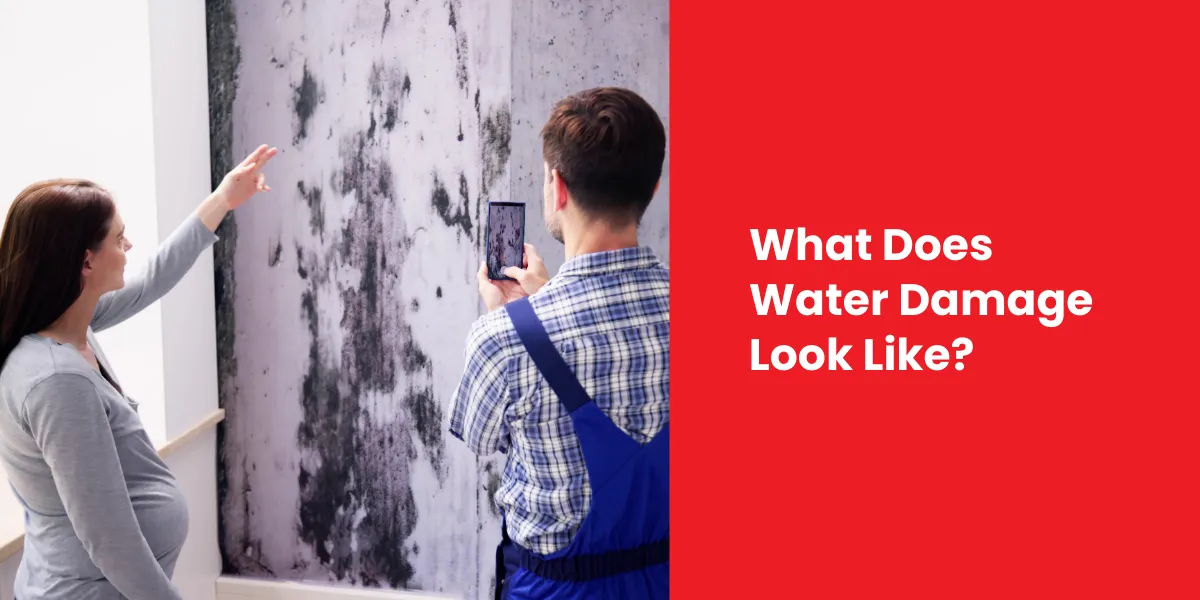
What Does Water Damage Look Like?

What Does Water Damage Look Like

Water damage doesn’t always scream for attention. It often shows up in subtle ways. Here’s what to look for:

1. Staining and Discoloration

  • Look for yellowish stains on your walls, ceilings, or floors.
  • These stains might look like spreading patches or rings.

**Tip: Check corners and areas near water sources, like sinks or bathtubs.

2. Musty Odors

  • Smell something damp or moldy? That’s a warning sign.
  • Mold produces microbial compounds that cause that musty smell.

**Tip: Check basements, attics, and closets for trapped moisture.

3. Humidity or Dampness

  • Feel dampness in the air or notice condensation on windows?
  • This could mean there’s too much moisture inside.

**Tip: Use a humidity meter to check levels. Indoor humidity should be below 60%.

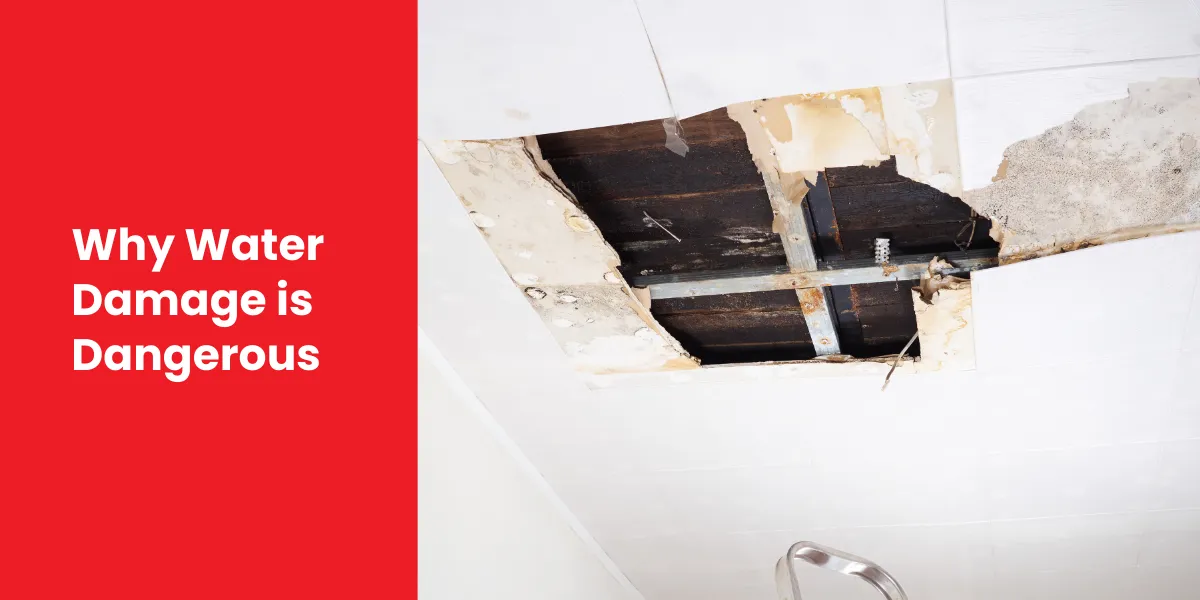
Why Water Damage is Dangerous

Why Water Damage is Dangerous

Ignoring water damage isn’t just about fixing stains. 

Here’s why it’s risky:

Health Risks

  • Mold can grow in as little as 24–48 hours.
  • Breathing in mold spores can cause asthma, allergies, or respiratory problems.

Structural Risks

  • Water weakens wood, drywall, and concrete.
  • This leads to warping floors, sagging ceilings, or even cracks in your walls.

Safety Risks

  • Water can damage your electrical systems, leading to fires or power outages.

**Example: A short circuit in water-damaged wiring.

Quick Table: Water Damage Severity vs. Risks

Severity Health Risks Structural Risks Safety Risks
Minor (leaks) Mild allergies Peeling paint None
    Moderate (dampness) Asthma, mold growth Warping wood Electrical shorts
Severe (flooding) Severe respiratory issues Foundation cracks Fire risks

Key Warning Signs of Water Damage

Keep an eye out for these signs:

  • Musty Odor – A damp smell is often the first clue.
  • Water Stains – Yellow or brown spots on walls or ceilings.
  • Unexplained Humidity – Rooms feel muggy or sticky.
  • Higher Water Bills – A sudden spike might mean a hidden leak.
  • Dripping Sounds – Hear water but can’t see it? Investigate.
  • Warping, Peeling, or Sagging – Floors, walls, or ceilings look uneven or soft.
  • Unexplained Sickness – Family members with allergies or respiratory issues.
  • Visible Mold – Green, black, or white spots on walls, ceilings, or furniture.

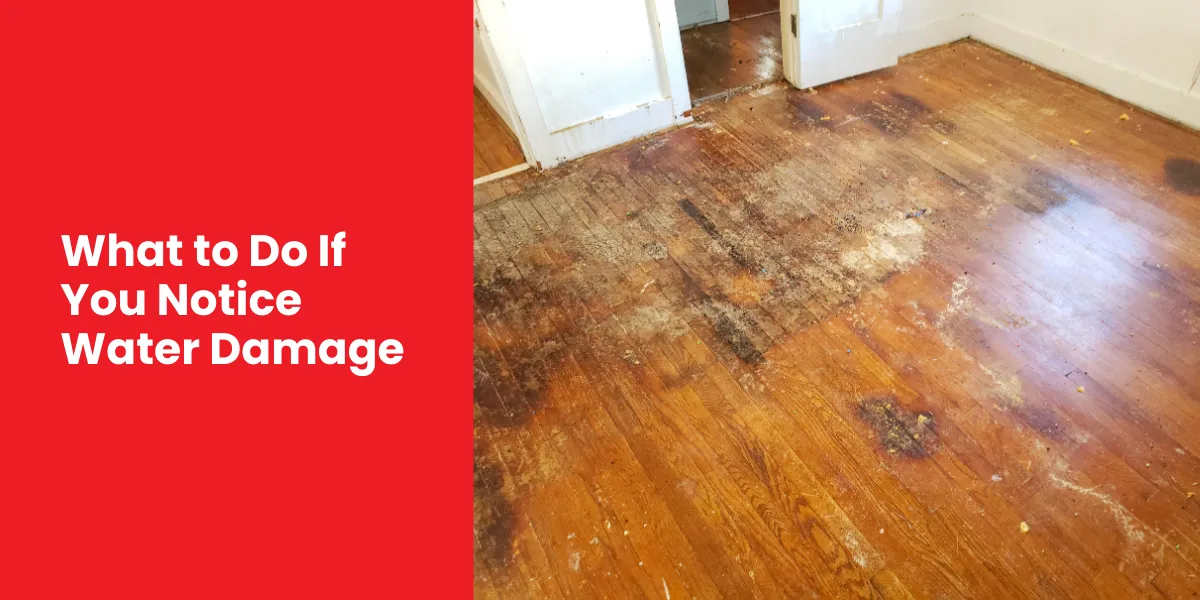
What to Do If You Notice Water Damage

What to Do If You Notice Water Damage

Water damage can be overwhelming, but don’t worry. Take these steps to handle it calmly and effectively:

1. Find the Source

Start by figuring out where the water is coming from.

  • Check for leaks in pipes, ceilings, or walls.
  • Look for signs of condensation around windows or in basements.
  • Check if flooding is due to heavy rain, clogged gutters, or poor drainage.

**Tip: If you can’t find the source, professionals can help locate it.

2. Shut Off the Water Supply

If the problem is caused by a plumbing issue:

  • Turn off the main water valve. It’s usually near the water meter or in the basement.
  • This stops more water from leaking and limits the damage.

3. Call the Professionals

Don’t try to fix everything yourself—some damage needs expert care.

  • Contact a plumber if it’s a leak or pipe issue.
  • Call water damage restoration experts for major damage, mold, or flooding.
  • Mold remediation specialists are essential if you see or smell mold.

Why? Experts have the tools and knowledge to fix the problem safely and completely. 

If you need professional help with water damage, SOS Restoration is here for you. We find the source of the problem, fix leaks, remove water, and restore your home or space quickly. 

Our team also handles mold, dry rot, and bacteria issues to make your property safe and healthy again. From repairing drywall to installing new floors, we do it all. 

We’re available 24/7 to make the process simple and stress-free for you!

4. Document the Damage

Take clear photos and videos of everything.

  • Snap pictures of stains, leaks, mold, and damaged belongings.
  • Write down details like when the damage started and what caused it (if you know).

Why? This will help you file an insurance claim and get compensation faster.

5. Ventilate the Area

Start drying out the area right away.

  • Open windows to let in fresh air.
  • Use fans to improve air circulation.
  • Run a dehumidifier to remove moisture from the air.

**Important: Drying quickly helps prevent mold growth, which starts within 24–48 hours.

Important Safety Tip

Never touch mold or water near electrical outlets or appliances.

  • Water and electricity are a dangerous mix.
  • Leave it to the professionals to handle these high-risk areas.

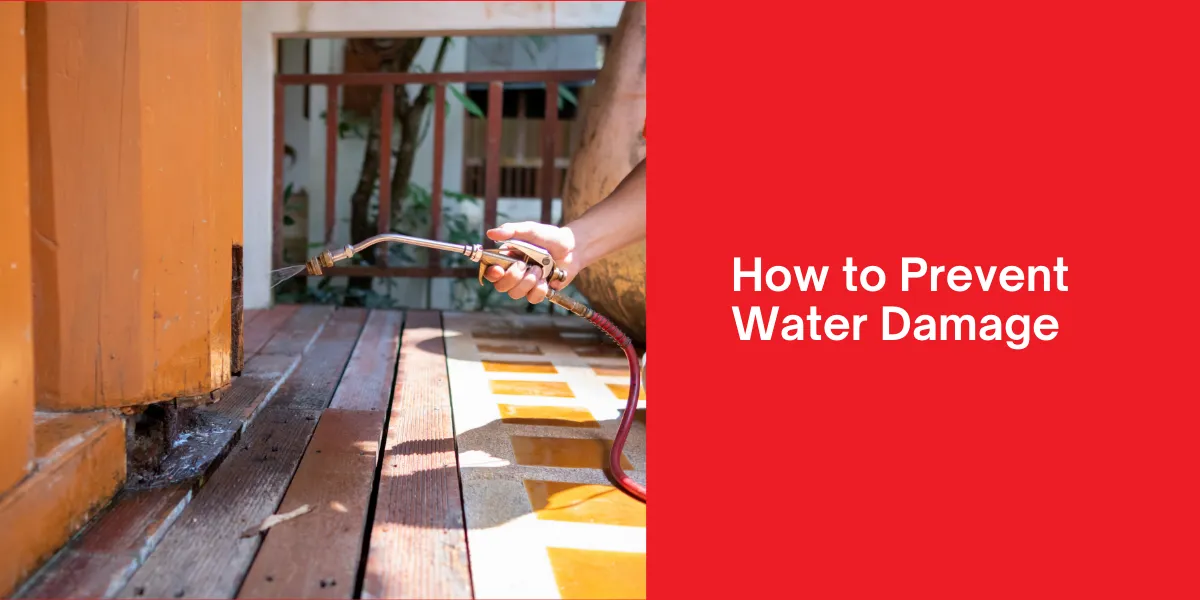
How to Prevent Water Damage

How to Prevent Water Damage

Prevention saves money and stress. Here are tips to protect your home:

  • Early Signs of Water Damage in WallsLook for soft or sagging drywall. If you feel any dampness, that’s one of the early signs of water damage in the walls.


  • Regular Plumbing InspectionsCheck pipes for leaks or rust every six months.


  • Roof and Window MaintenanceFix missing shingles or cracked seals.


  • Use a DehumidifierThis keeps humidity under control in damp areas.


  • Inspect HVAC SystemsLook for leaks in air conditioning units.


  • Monitor Water BillsSudden increases may mean hidden leaks.

Table: Prevention Tips vs. Estimated Cost Savings

Preventive Action Estimated Savings
Fixing a small leak early $500–$1,000
Installing a dehumidifier $200–$600 annually
Roof maintenance $1,000–$3,000

Professional Help: When to Call Experts

Professional Help_ When to Call Experts

Sometimes, DIY isn’t enough. Call an expert if you notice:

  • Visible mold or a persistent musty smell.
  • You might see signs of water damage in walls like stains, peeling paint, or damp spots or sagging ceilings. These are big red flags!
  • Standing water or frequent leaks.

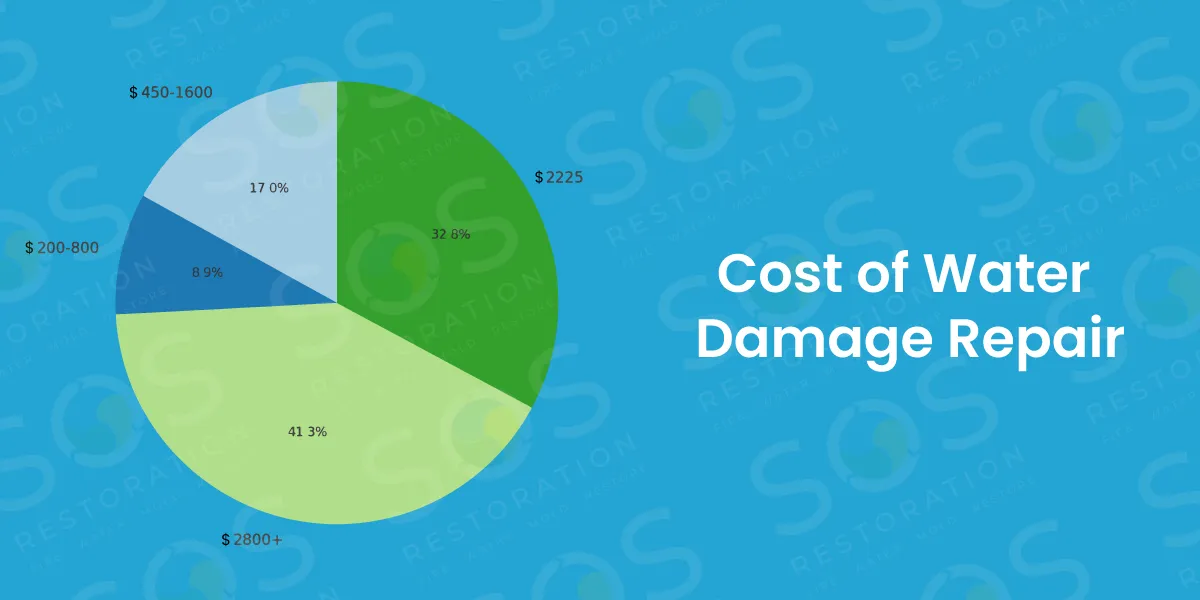
Cost of Water Damage Repair

Cost-of-Water-Damage-Repair

Here’s what you can expect to pay:

Repair Type Cost Range
Ceiling Damage $450–$1,600
Sewage Backup $2,800+
Drywall or Flooring Repair $200–$800
Mold Removal $2,225

Wrapping Up

Water damage is serious, but early action can save you time, money, and stress. Look for the warning signs of water damage, act fast, and don’t hesitate to call professionals when needed. 

Prevention is always cheaper than repair, so stay vigilant and take care of your home. 

Got any questions or concerns? Let’s tackle water damage together! 😊


FAQs

  • How can I tell if I have water damage?Look for water stains, mold, or a musty smell. Check for dampness or sagging areas in walls or ceilings.
  • What does minor water damage look like?Minor water damage might show small stains or wet spots on walls, ceilings, or floors. It could smell musty.
  • How to tell if a ceiling has water damage?Look for stains, bubbles, or sagging. You might also notice peeling paint or soft spots in the ceiling.
  • How long does it take to notice water damage?Water damage can be visible in a few hours or days. It depends on the leak size and location.
  • What to do about water damage in walls?Find the leak source, dry the area, and call professionals to fix the damage. Don’t ignore mold or moisture.
  • How to stop pipes from freezing and causing water damage?Wrap up exposed pipes, close any gaps around windows and doors, and keep your thermostat at 55°F (13°C) or higher. In very cold weather, let your faucets drip a little to keep the water moving.
  • What’s the difference between water damage restoration and remediation?Restoration fixes the property, making it look and work as it did before the damage, including cleaning and repairs. On the other hand, remediation focuses on removing mold and stopping it from growing.