4 Steps on How to Remove Mold From the Leather


If you see mold on leather, take it outside first so it doesn’t spread in your home. Then, gently wipe off any loose mold, then clean it using one of these methods: alcohol and water, white vinegar mix, or mild soapy water. After cleaning, let it dry naturally and use leather conditioner to keep it soft. Don’t use heat, and if the mold is deep or keeps coming back, it’s better to call a pro.


Hey, has this happened to you? You pull out your leather jacket or bag, and suddenly you see weird white or black spots all over it. Or maybe it’s your shoes or sofa that’s been sitting in a dark place for too long. Yup, that’s mold. And it shows up when leather doesn’t get fresh air or stays in a damp space.


So, how to remove mold from leather? Here’s the brief for you: To remove mold from the leather, you have to wipe it off using alcohol, vinegar, or gentle soap, then dry it well and condition it. But here’s the thing. Not all mold is the same. 


Some need a simple clean-up, and some might need expert help. Stay with us, and we’ll show you the easiest and safest ways of how to treat mold on leather and stop it from coming back.

What is Mold on Leather?

What is Mold on Leather

Mold is a type of fungus that grows in places where it’s dark, damp, and doesn’t get much fresh air. Leather is a natural material and absorbs moisture. That’s why leather items are at risk when stored in closets, basements, or unused boxes.


There are two common types of mold you might see on leather:


Type of Mold What It Looks Like Common Places Found
White Mold Powdery or dusty white spots Leather shoes, belts, stored jackets
Black Mold Dark greenish-black patches Inside leather bags, old sofas


Both are bad for leather, and they can even affect your health if ignored.


Not all mold looks the same. So, learn the difference between white mold and black mold so you know what you’re dealing with.


Signs You Have Mold on Leather

Here are simple signs to spot mold:


  • White or black fuzzy spots on the surface


  • Musty, damp smell


  • Leather feels sticky or damp


  • You haven’t used the item in a while.

Things You’ll Need Regarding How to Clean Mold From the Leather

Before you start learning how to clean mold off the leather, gather these:


Item Why You Need It
Soft cloth or sponge For wiping and cleaning
Rubbing alcohol (isopropyl) Kills mold spores
White vinegar Natural mold remover
Mild soap or leather cleaner Cleans dirt without harming leather
Water To mix with other solutions
Leather conditioner Keeps leather soft and protected after
Gloves and mask Protects your hands and lungs

Step-by-Step Ways of How to Remove Mold From the Leather

Let’s show you in detail how to get mold off the leather properly.


Step 1: Take the Leather Outside

Take the Leather Outside

First, if you can, take the leather item outside before doing anything else. This is important because mold gives off tiny particles, which are called spores, that can float in the air. 


If you clean it inside your home, these spores might spread to other furniture, walls, or even get into the air you breathe. Taking the leather outside helps keep your home mold-free and gives you fresh air to work in.


Step 2: Wipe Off Loose Mold

Wipe Off Loose Mold

Next, grab a soft, dry cloth and gently wipe the leather surface. You’ll probably see white powdery spots or black patches, and your goal is to remove as much of this loose mold as possible before using any cleaner. 


Don’t rub too hard, because scrubbing can damage the surface or remove the leather’s natural shine. Just gently wipe to get rid of what’s sitting on top.


Step 3: Choose a Cleaning Method

Choose a Cleaning Method

Now that the loose mold is gone, it’s time to clean the leather properly. There are three safe ways to do this. You don’t need fancy chemicals. Just use one of these simple home methods, depending on what you have and how bad the mold is.


Method 1: Alcohol and Water Solution

In a small bowl, first, mix equal parts rubbing alcohol and water. This means if you use one cup of alcohol, use one cup of water too. Dip a soft cloth into the above mix and squeeze out the extra liquid so it’s damp, not dripping. 


Gently wipe the moldy areas with this cloth, going over every spot that looks affected. Alcohol helps kill the mold and clean the leather without harming it.


Once you’re done, leave the leather item outside or in a place with good airflow so it can dry completely on its own. This method works really well for white mold or mold that’s just starting to show.


Method 2: White Vinegar Method

Here’s how you can remove mold from the leather with vinegar. 


First, mix white vinegar and water in equal amounts, just like the alcohol method. Vinegar is great at killing mold and also helps get rid of the musty smell that mold leaves behind. 


Dip a clean cloth into the mixture, wring it out, and then gently wipe down all the moldy spots on the leather. Be sure to cover every area where mold might be hiding.  


After wiping, leave the leather to dry naturally in fresh air. This method works well for both white mold and black mold, and it’s a good choice if the smell is strong.


Method 3: Mild Soap and Water

Take a small bowl of water and add a few drops of mild soap, like baby soap or hand soap. Stir it until you see some bubbles. Soak a soft cloth in the soapy water, squeeze out the extra water, and gently wipe the leather surface. 


This method is helpful if the mold isn’t too deep and the leather just needs a general cleaning. After wiping, use a clean, dry cloth to remove any leftover soap and moisture. 


Then let the leather dry in a well-ventilated area, away from direct heat or sunlight.


Step 4: After-Cleaning, Don’t Forget These!

After-Cleaning

  • Apply Leather Conditioner:


Once the leather has dried fully, the last step is to use a leather conditioner. Mold and cleaning can sometimes make leather dry or stiff, so conditioner helps restore its softness and keeps it from cracking. 


Just apply a small amount using a clean cloth, rub it in gently, and let it soak in. This also protects the leather from future mold and keeps it looking fresh.


  • Dry in Fresh Air:


When you’re done, always let the leather dry in the open air. Never use a hair dryer, heater, or place it under the sun directly because too much heat can damage the leather or make it shrink. A cool, shaded spot with good airflow is the best place to let it dry slowly and safely.

When Should You Call a Professional to Get Mold out of the Leather?

Call in the professional

Sometimes it’s best not to do it yourself. You should ask for expert help if:


Situation Why You Need a Pro
The mold has spread deep inside You can’t reach it without damaging the item
Expensive leather, like designer bags Avoid the risk of ruining expensive leather
Black mold with a strong odor Can be dangerous to your health
Mold keeps coming back again and again May be a bigger moisture or storage problem


At SOS Restoration, we’re here to help you anytime you face problems like mold, water damage, or fire damage in your home. We work 24/7 across Southern California and have a friendly, trained team that knows exactly what to do in an emergency. 


If your home has mold or has been damaged by water or fire, we’ll come quickly, check everything, fix the issue, and even help with the insurance part. Our prices are fair, and we’re always honest with you from start to finish. 


Call us now at 888-538-4280 for a free inspection or just to ask a question. We’re happy to help!

Prevention Tips: How to Keep Mold Away

If you want to keep mold away from your leather stuff, there are a few simple things you can do that really help. 


First, always store your leather in dry places because mold loves moisture. You can also put those little silica gel packets in storage boxes since they soak up extra moisture. 


Try using breathable cloth bags instead of plastic ones so air can move around and things don’t get damp. Every now and then, take your leather items out and air them out to keep them fresh and dry. 


And don’t forget to clean and condition your leather every three to six months to stop dirt and moisture from building up. These small steps can make a big difference in keeping mold away.


Also, if your leather item got wet recently, it’s smart to check for mold after water damage so you can catch it early.

Wrapping Up: Don’t Panic, Just Clean Smart

That’s all about how to remove mold from the leather. Mold on leather is not the end of the world. If you act fast, you can save your favorite leather items and make them look fresh again. Use the method that fits your situation best, and if things get too tricky, it’s perfectly okay to call for professional help.


Keep your leather dry, clean, and well-conditioned, and mold won’t stand a chance.


FAQs

  • How to clean mildew from leather? 

    Just wipe off the mildew with a soft cloth, then use a little vinegar mixed with water to clean it and let it dry.

  • How to remove mold from a leather jacket? 

    Brush off the mold gently, then clean it with a mix of vinegar and water. Let it dry well and condition the leather after.

  • What kills mold on leather? 

    White vinegar mixed with water works well to kill mold. Just wipe it on gently and dry the leather properly after.

  • Can moldy leather be saved? 

    Yes, as long as the mold hasn’t eaten through it, you can clean it and bring it back to life with some care.

  • Does vinegar kill mold in leather? 

    Yes, vinegar helps kill mold without hurting the leather. Just mix it with water, wipe it on, and dry it well.

  • Is mold on leather toxic? 

    It can be, especially if you breathe it in. Always clean it carefully, and wear gloves or a mask if needed.

  • How to remove mold from a leather sofa? 

    Wipe off the mold with a cloth, clean the area using vinegar and water, let it dry completely, and condition it afterward.

  • How to remove mold from leather shoes? 

    Gently brush the mold off, wipe them with a vinegar-water mix, let them dry fully, and then condition or polish them.

  • How to remove mold from leather car seats? 

    Wipe off the mold, clean the seats using vinegar and water, leave the windows open to dry them out, and use conditioner later.

  • How to remove mold from a leather purse? 

    Brush off the mold gently, clean it with a vinegar-water mix, dry it completely, and store it somewhere dry and airy.

Posted on: June 23, 2025

How to remove mold from drywall

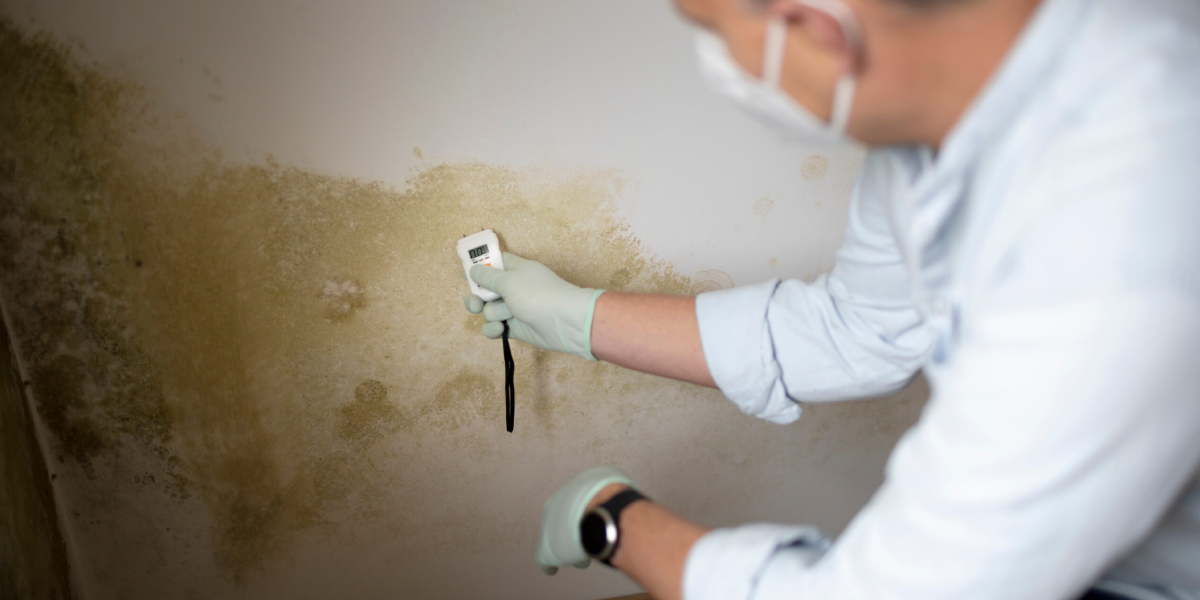
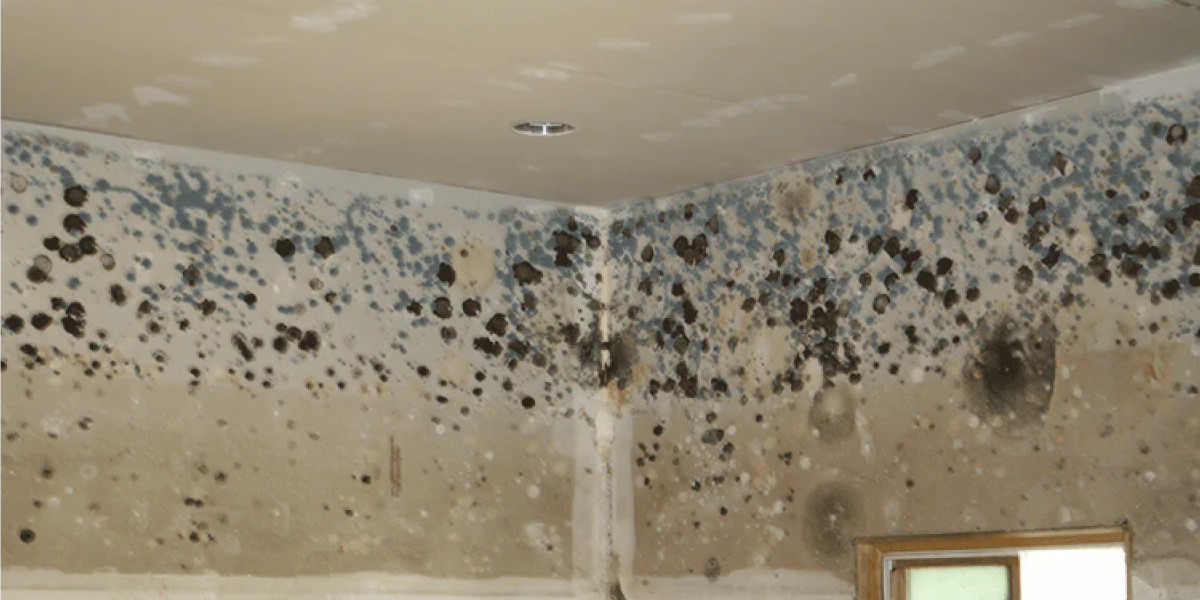
Drywall is one of the most common places for fungal growth. Humid conditions are the main reason for these fungi to grow in the drywall. You might wonder how to remove mold from drywall. Depending on whether the drywall is porous or painted, there are several methods for removing mold from it. You can use either dish soap or white vinegar if the drywall is smooth. On the other hand, you will have to remove the affected area of the drywall.


Molds are a type of fungi that thrive in humid areas, like most other fungi. Your drywall might have mold growing on it due to leaky water lines, humid conditions inside the home, or condensation. This can cause asthma, increased fatigue, and allergic reactions. Which is why it is a must to know how to remove mold from drywall. 


Let’s take a look at the mold removal process from drywall. 


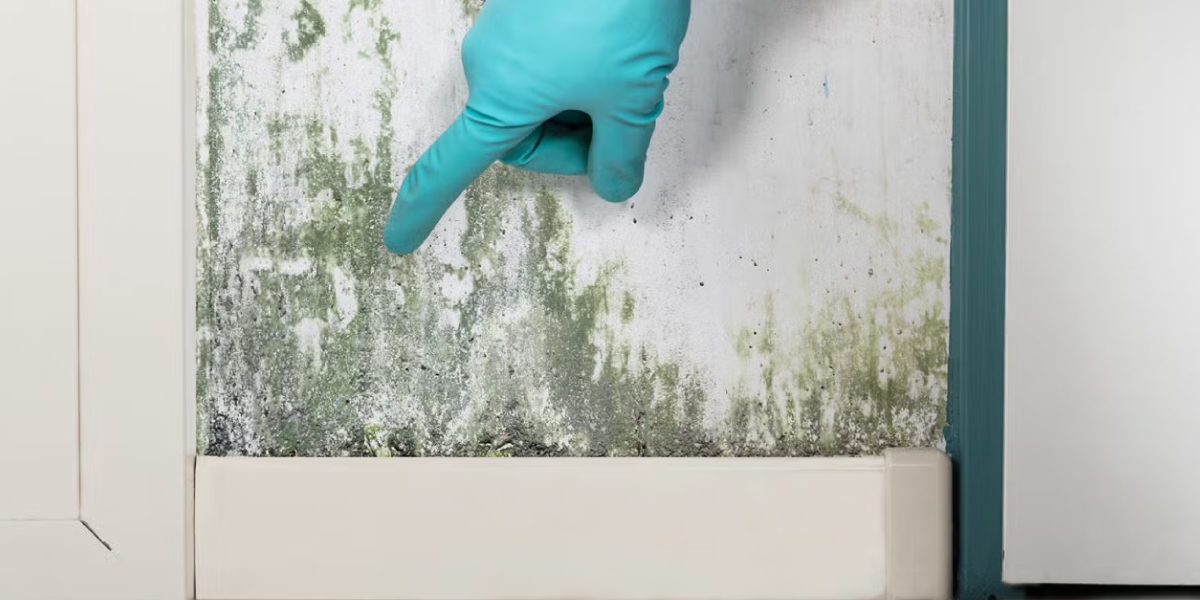
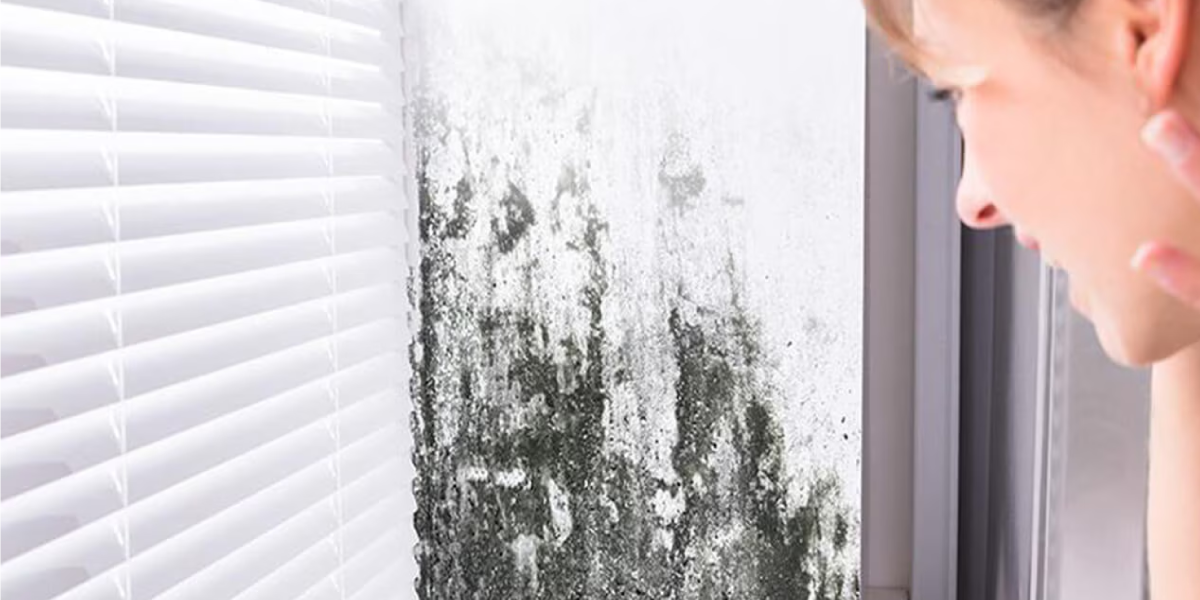
How to get rid of mold on walls permanently

How to get rid of mold on walls permanently

There are quite a few ways to kill mold on drywall, depending on the type of wall. But for all of these mold removal procedures, you have to follow a few precautionary steps. These are:


  • Wear an N95 Mask
  • Wear rubber gloves
  • Wear Safety goggles
  • Properly ventilate the area
  • Turn the HVAC system off so that the mold spores can’t escape through it.


Let’s have a look at all of the ways of treating mold on drywall.


How to clean up mold on drywall: Painted

How to clean up mold on drywall

If you have mold on your painted drywall, you don’t have to worry that much. This is because mold can’t penetrate much into painted and sealed drywall. You will only need the following materials to clean this type of mold:


  • Dish Soap/Detergent or White Vinegar
  • Spray Bottle
  • Scrub Brush
  • Towels or soft cloths
  • 3% Hydrogen peroxide solution (Not mandatory)


Now, here are the steps to remove mold on walls


  1. First, you need equal parts water with equal parts white vinegar. If you are using detergent or dish soap, then use a tablespoon of it in a quart of warm water. 
  2. After pouring the solution into the spray bottle, you now need to spray it all over the affected area. 
  3. Let the cleaning solution wait for about 15 minutes. 
  4. Now, use a scrub brush to properly brush the area.
  5. Clean the water with a towel or a clean cloth.
  6. If you want to disinfect the cleaned area, then use a 3% solution of Hydrogen peroxide, and then wipe everything with the towel. 


How to clean up mold on drywall: Non-Sealed

How to clean up mold on drywall

If your drywall is not painted, then you have a problem on your hands with mold. The mold can grow deep into the drywall by getting into the pores. In this case, you will need the following: 


  • A utility knife
  • A tape and a plastic sheet
  • HEPA vacuum
  • A mold-resistant drywall
  • Screws, mud and paint


Here is a step-by-step guide to removing mold on porous drywall:


  1. Use the plastic sheet to isolate the area.
  2. Mark the mold-affected area. Then cut about 12 inches beyond the area where mold is visible.
  3. Put the moldy drywall in a tight plastic bag and dispose of it carefully.
  4. Clean the area around the removed drywall.
  5. Now, use white vinegar, hydrogen peroxide, or industrial mold removers to clean the framing around the previously moldy area.
  6. Use a dehumidifier to completely dry off the area. You can also use a fan to do so, although it will take more time.
  7. Install the new drywall, seal it, and then paint the wall with a mold-resistant paint. 


Option 3: Call in the professional

Call in the professional

Now, if the mold seems manageable, you can manage removing it and restoring the drywall by yourself. But, if you are too late noticing the mold, and it has spread on an area more than 10 square feet, then it is best to call professional mold cleaning services. These services have the means, tools, and expertise to get rid of black mold on drywall.


How to prevent mold on Sheetrock

It is better to prevent mold from growing on drywall instead of going through the hassle of removing it, especially if the infestation is on a large scale. Here are a few tips to prevent mold growth on drywall. 


  1. Install a dehumidifier in your house. Mold can not grow in conditions having less than 50% humidity. 
  2. Look out for leaks and fix them as soon as possible. Also, improve the ventilation in your home, especially in your bathroom and kitchen.
  3. Paint the wall with mold and water-resistant paint and primer.
  4. Clean any spills as soon as possible. 


Finally….

Mold, or black mold in particular, is extremely harmful to health. Not only that, once it grows deep, it is very tough to get rid of it. So, know how to remove mold from drywall, and lead a clean, healthy, and hygienic life. 


FAQ

1. What kills mold on drywall?

As far as drywall mold killers go, you have a lot of options that work in varying degrees. First, you have white vinegar, which is a well-known mold killer. Then you have hydrogen peroxide, which is another excellent mold killer. Next, you have baking soda, which is great for surface-level mold. Finally, you have commercial mold cleaners that are used on a more widespread basis.


2. Can drywall with mold be saved?

Yes, a moldy drywall can be saved. It all depends on what type of wall you have and how deep the mold has grown. If the wall is painted, then you don’t have to even put a scratch on the wall. On the other hand, for porous walls, you need to remove a small part of the wall. But if the mold has grown on the entire wall, then you might have to remove all of it. 


3. Can I remove moldy drywall myself?

Of course, you can remove the moldy drywall yourself. It is very easy to remove and repair a moldy drywall. All you need are the right tools and a bit of elbow grease to remove the moldy drywall. But if you are not feeling comfortable, you can always count on professionals to do it for you. 


4. Is vinegar or bleach better for mold on drywall?

Although bleach is a pretty great mold killer, they are not suitable for drywall, and certainly not better than vinegar. While vinegar kills both surface-level and deep-rooted mold, bleach can not penetrate the pores of the wall. On top of that, it damages the drywall itself, making it counterproductive to use. Finally, bleach is harmful to humans, unlike vinegar. 

Posted on: June 23, 2025

How to get mold out of clothes

Mold is a nuisance wherever it grows, and that includes your clothes. Keeping your clothes in damp conditions for a long time will cause mold to grow on your clothes. To both remain healthy and keep your clothes intact, you must know how to get mold out of clothes. You can use a few things to remove mold from your clothes, such as vinegar, regular soap, sunlight, borax, or even bleach. 


The way of removing mold will depend on a couple of things. First, you should know how old the mold stains are. Second, you must also know if the cleaning agent of your choice suits the fabric of your clothes. Remember, mold is very harmful to both your health and fabric, so you must do everything to remove it as soon as possible. 


Let’s take a look at how you should get rid of mold from your clothes. 


How to remove mold from clothing

How to remove mold from clothing

When you forget to take your clothes out of the washing machine for too long or keep them in damp conditions, mold can grow on them. These molds will then keep spreading the longer the clothes are in the aforementioned condition. Wearing these clothes will not only be harmful to your health, but they will also not look very good on you, aesthetically speaking. 


So, here is how to remove mold stains from clothes. 


1. How to remove mold from clothes using sunlight

How to remove mold from clothes using sunlight

Let’s take a look at the easiest way of removing mold on clothes first: sunlight. Most molds that grow on clothes are quite easy to get rid of. All you need to do is put your clothes in direct sunlight for a few hours, and the mold stains will be gone. Then finish up by removing the remaining mold stains with a brush. 


But keep the fabric of your clothes in mind when keeping them in sunlight for a prolonged period. This is because not all types of clothes can tolerate the same level of sunlight. While a white cotton shirt will be just fine, a shirt made of nylon will not fare the same. 


2. How to get rid of mold on clothes with vinegar

How to get rid of mold on clothes with vinegar

Vinegar, especially white vinegar, is a very good, bordering on universal, mold cleaner. No matter what the surface is, vinegar will remove mold like it never existed. You can apply vinegar to remove mold in a few ways. First, you can directly apply the vinegar onto the mold-affected area. Second, you can pre-soak your clothes by mixing a cup of vinegar with a bucket of water. You can even add vinegar to the washing machine before you wash your clothes.


3. How to remove mold smell from clothes with regular soap

How to remove mold smell from clothes with regular soap

As important as it is to remove mold stains from clothes, it is equally important to remove the smell of mold from them. In this case, using regular bar soap might be your best option. You can remove mold from fabric by washing your clothes with any bar of household soap thoroughly and then drying them off either in the sun or the dryer. 


4.How to remove black mold from clothes using bleach

How to remove black mold from clothes using bleach

Sometimes the mold in your clothes isn’t easy to remove. This is when you need to bring out the big guns. Bleach is one such cleaning agent that can get rid of even black mold, one of the toughest of all molds. But there are some downsides to using bleach on clothes. Bleach can fade the color of your fabric, so only use bleach on white or light colored clothes. 


Pre-soak clothes in a diluted solution of bleach, wearing a rubber glove. You can also rub the bleach directly onto the moldy area, depending on what the situation requires. Then you should wash it off properly so that both the mold and the bleach are washed off. 


5. How to wash moldy clothes with Borax

How to wash moldy clothes with Borax

Borax is another good cleaning agent for tough-to-clean mold stains. It is also very soluble in water, so there is no worry of having to wash off the residue. Mix half a cup of borax powder into a bucket of warm water. Then wash your clothes with the solution and dry them off. You will notice the mold is gone. 


Finding the Right Professional

Choosing the right person or company can make a big difference, so take a moment to check a few important things before you book someone.


  • Check Reviews and Licenses: Make sure the professional is fully licensed and has good reviews from other customers. This shows they are experienced and trustworthy.
  • Ask About Emergency Services: Not all companies are available after hours. If the leak happens at night or on the weekend, you’ll need someone who offers 24/7 emergency service.
  • Get Multiple Quotes: Don’t go with the first option you find. Ask a few companies for quotes so you can compare prices and see who offers the best value.
  • Look for Leak Detection Services: Some companies have special tools to find hidden leaks inside walls or ceilings. These experts can save time and avoid extra damage.


Final Words

Removing mold from clothes is very important for your health and hygiene. Knowing how to remove mold from clothes will save you from diseases such as asthma while also prolonging the lifespan of your clothes. In addition, your looks will also not be harmed by wearing mold-free clothes. 


FAQ

1. How to get mold out of clothes with baking soda?

Baking soda is a very good mold remover. But it can not be used on clothes alone to remove mold from clothes. The clothes must first be soaked in a white vinegar solution. Then, rub baking soda onto the mold stains. After you rub the stains for a few minutes, you will notice the mold is starting to disappear. Once all the mold is gone, wash the clothes normally and dry them off. 


2.How to get mold out of clothes without bleach?

Although bleach is a very good mold remover, it can not be used on all types of clothes. Using bleach on dark colored clothes will result in the color fading, and in some instances, the fabric itself being harmed. So, you will need other alternatives to bleach to remove mold from clothes. 


Here are a few ways you can remove mold from clothes other than bleach.


  1. Baking soda and Vinegar
  2. Only Vinegar
  3. Sunlight
  4. Regular washing soap
  5. Borax (either powder or the solution)


3. Can mold be washed out of clothes?

Yes, of course, mold can be washed out of clothes. You need to have the right type of soap for your fabric to wash the mold from it. Then wash them manually or using your washing machine with said soap, and you will have mold-free clothes.


4. Can clothes be saved after mold?

More often than not, clothes can absolutely be saved after mold. If you use any mold-removing agent that suits your fabric, your clothes can be saved despite having stubborn mold, like black mold. But sometimes the clothes might be unsavable if they have been moldy for a very long time. Mold can affect the fabric so much that even after cleaning it, the clothes become unusable.


5. Should you throw out moldy clothes

The first response to seeing moldy clothes is to throw them out, especially if you are a germaphobe. But most of the time, these clothes can be saved by washing with a proper mold cleaning agent. So, before you throw the mold-infested clothes out, try to wash them first and see if they can be worn again. 


Posted on: June 2, 2025

How to Get Mold Out of Carpet | Proven Mold Removal Tips

One of the telltale signs of something going bad or being damaged is when mold grows on it. The carpets in your home or your car are no exception. But when you find mold on your carpet, all is not lost, and you still can rescue it using various methods. The best ways to remove carpet molds are white vinegar, sunlight, non-iodized salt, baking soda, clove oil, and commercial carpet mold cleaners


Molds are bad in the best of days, but they are especially bad when they grow on your carpets. They can severely damage the fibers of the carpet, can be difficult to spot and remove, and can cause health issues for you and your family. So you must know how to get mold out of carpet. 


Now, let’s take a good look at various carpet mold removal procedures. 


Why does mold grow on carpets?

Before knowing how to remove mold from carpet, one first know why it grows in the first place. Knowing the root cause of mold growth will help in the removal of the fungi. Here are the main causes of carpet mold:


  1. Not drying the carpet after spilling liquid
  2. Keeping the carpet in damp areas
  3. Letting rainwater fall on the carpet through open windows
  4. Flood damage
  5. Water leakage
  6. Inadequate ventilation


Now that you know why mold grows in your carpets, here is how to get rid of mold in the carpet.


How do you clean mold out of carpet with white vinegar?

How do you clean mold out of carpet with white vinegar

White vinegar is a universal mold cleaner. No matter what the surface is, you can rely on distilled white vinegar to remove mold from it. What makes white vinegar one of the best for carpet mold cleaning is that it does not harm the fabric of most carpets. 


Spray a diluted solution of white vinegar onto the area with mold. Wait for a few minutes for the vinegar to work its way into the mold spores. After 20 minutes, start to scrub with a soft-bristle brush to remove the mold particles. Finally, vacuum to clean the residue. 


How to rescue a moldy carpet using sunlight

How to rescue a moldy carpet using sunlight

As far as mold cleaners go, sunlight is one of the most underrated. It works wonders, especially if the mold in the carpet is not too stubborn. All you have to do is let the carpet dry in direct sunlight for a few hours, and the mold will die off due to dehydration. But keep the fiber of your carpet in mind when keeping the carpet in direct sunlight for a long time, since the color can fade and damage the carpet even more.


How to get rid of mould on carpet with noniodized salt

How to get rid of mould on carpet with noniodized salt

When you think about mold cleaners, salt doesn’t immediately come to mind. But it can bery effective against mold. Since salt is hydrophilic, it can absorb a ridiculous amount of water from its surroundings. 


Before applying salt on the moldy area, vacuum all the loose mold particles. Then mix a generous amount of salt in water to make a viscous solution of salt. Apply the salt directly onto the moldy area, and wait for a few minutes. The salt will absorb all the water from the mold spores, which will kill off all the fungi. 


Once you are done, let the carpet dry in direct sunlight. You will notice crust forming on the carpet.  Vacuum clean the crusty areas.


Remove mold from the carpet with baking soda

Remove mold from the carpet with baking soda

While white vinegar acts on mold due to being slightly acidic, baking soda acts the opposite way, that is, being alkaline. Alkaline materials dissolve organic materials, which is a great way to get rid of mold from carpet. 


Before applying baking soda on the carpet, clean up the area using a vacuum cleaner. Then sprinkle some baking soda onto the mold. Let the soda work its magic and dissolve all the mold particles. After about half an hour, use a vacuum cleaner again to clean the powder-like residue from the carpet. 


Use clove oil to remove mold from carpet

Use clove oil to remove mold from carpet

Clove oil is an antiseptic that works wonders on toothache, but it also works very well to remove molds from carpets. Mix a little clove oil in one liter of water. Let it rest, and then clean the carpet surface with a vacuum cleaner. Apply the clove oil mixture onto the carpet. Scrub the carpet using a soft brush until you see all the mold coming off. Then dry the area and clean it off.


How to remove black mold from carpet

How to remove black mold from carpet

Black molds are a bit tricky to get rid of, and they are also the most harmful. For black mold on carpet, most conventional methods don’t work. You will need commercial-grade mold cleaners to remove black mold from your carpet. Keep the type of fiber of your carpet in mind and find the one that suits you the most. 


While using a store-bought carpet cleaner, always follow their instructions written on the bottle. These are written keeping the best interests of both you and your carpet in mind.

Finding the Right Professional

Choosing the right person or company can make a big difference, so take a moment to check a few important things before you book someone.


  • Check Reviews and Licenses: Make sure the professional is fully licensed and has good reviews from other customers. This shows they are experienced and trustworthy.
  • Ask About Emergency Services: Not all companies are available after hours. If the leak happens at night or on the weekend, you’ll need someone who offers 24/7 emergency service.
  • Get Multiple Quotes: Don’t go with the first option you find. Ask a few companies for quotes so you can compare prices and see who offers the best value.
  • Look for Leak Detection Services: Some companies have special tools to find hidden leaks inside walls or ceilings. These experts can save time and avoid extra damage.


Final Words

Removing mold is a must if you want to keep your carpets and household healthy. Find the best way to deal with carpet mold according to your carpet fiber, and get rid of all the harmful fungi growing in your precious carpets. 


FAQ

1. How to get mold out of carpet without bleach?

Although bleach can be a good mold remover in most cases, when it comes to carpets, it is better not to use it for a few reasons. First, bleach can seriously damage the fibers of the carpet. Second, it can fade the vibrant colors of the carpet. Third, when it comes in contact with skin, it can cause tissue damage or irritation at the very least. 


There are quite a few good alternatives to bleach when it comes to cleaning mold from carpets. You can use distilled white vinegar, Hydrogen peroxide, or even store-bought mold cleaners instead of using bleach to remove mold. 


2. How to get mold out of carpet naturally?

Not all mold cleaning agents have to be chemical or inorganic. There are some pretty effective natural ways to remove mold from carpets. You can use non-iodized salt to remove carpet mold. You can even use sunlight to get rid of surface-level mold from your carpet. 


3. What kills mold in carpet?

Since carpets have fibers, mold can grow pretty deep before being discovered. Even when they’ve been discovered, deep-rooted molds can be pretty tough to deal with. A good mold cleaner will penetrate the fibers, kill the mold, and prevent it from growing again. White vinegar, baking soda, and store-bought commercial-grade mold cleaners are the best in this regard. 


4. Can mold be washed out of carpet?

It is very much possible to remove mold from carpet by washing it. But to do so, certain conditions have to be met. 


  • The mold must not be deep rooted
  • The mold infestation is not too severe
  • You must dry the carpet off properly after washing it.


5. Does vinegar kill mold on carpet?

Yes, vinegar does kill mold on carpet. In fact, it is one of the best mold cleaners out there. But you must make sure to use white vinegar instead of red vinegar, since the red vinegar will cause stains on your carpet, which will end up opening another can of worms.


6. Does Lysol spray kill mold in carpet?

If you are looking to kill surface level mold on your carpet, you can use lysol spray. But it is a very weak mold killer. If your carpet’s mold infestation reaches deep into the subfloor, then Lysol spray will be of no use at all.  

Posted on: June 2, 2025

How to remove mold from bathroom ceiling

Mold on the Bathroom ceiling can be very dangerous to both your health and the value and integrity of the property. So, once spotted, you must quickly remove the mold. For that, you have to know how to remove mold from bathroom ceiling. You must take protective measures while removing mold from the bathroom ceiling, such as gloves and a mask. Then you should use a baking soda and vinegar mixture, peroxide, or diluted bleach solution to get rid of the mold.


Mold, especially the infamous black mold, can be very harmful to the human immune system. In addition, it can also be pretty damaging to the value of your property as well as its aesthetics. Delaying the removal of mold can lead to various diseases, such as asthma, which can turn fatal. 


Let’s take a quick look at how you can get rid of mold from your bathroom ceiling.


How to permanently remove mold from bathroom ceiling

How to permanently remove mold from bathroom ceiling

Removing mold on the ceilings of your bathroom is harder than removing it from any other part of your bathroom. This is because you need more tools to get to the mold, and you must wear protective gear so that the mold spores don’t get into your nose or mouth. So, before removing mold, you must acquire the following tools. 


  1. A step ladder
  2. Rubber Gloves
  3. Protective mask (N95 masks are the best choice)
  4. A spray bottle
  5. An old toothbrush
  6. Scrub brush (preferably non-abrasive)


Once you are done getting the aforementioned tools, let’s get to cleaning the mold from your bathroom ceiling.


  • How to remove mold from ceiling in bathroom using vinegar

How to remove mold from ceiling in bathroom using vinegar

The best and most cost-effective way to remove mold and mildew is to use a simple mixture of white vinegar and baking soda. First, spray the white vinegar onto the mold-affected area and let it sit for 1 hour. This will let the vinegar work its way into the mold spores. Then apply baking soda on the sprayed area with an old toothbrush. 


Wait a further 10-15 minutes. After that, use a scrub brush to thoroughly brush the area to remove all mold and mold spores. If you have textured ceilings, you should use a soft bristle brush to avoid damaging the texture. Then rinse the rea properly with water. 

  • How does hydrogen peroxide kill mold?

How does hydrogen peroxide kill mold?

Hydrogen Peroxide is another great way to remove mold from bathroom ceilings. The best part of using peroxide is that you won’t need to dilute it and apply it directly onto the mold. Just pour a 3% solution of Hydrogen Peroxide into the spray bottle and spray it onto the infested area. 


Another advantage of applying peroxide to remove mold is that it doesn’t take nearly as long as vinegar to work. All you need to do is wait for 10 minutes, and you can then scrub it with the brush. Then wash the area with warm water and a towel, and you are done. 


  •  How to get rid of mold in bathroom ceiling

How to get rid of mold in bathroom ceiling

Sometimes the mold is too stubborn to be removed by vinegar or peroxide. This is when you should turn to bleach. But remember, bleach is very dangerous to work with, since it can cause skin and breathing issues. So you have to wear protective gear and take extra precautions while using bleach to remove mold from your bathroom ceiling. 


Before applying bleach, you must open any windows in your bathroom to allow proper ventilation. Then mix 1 cup of bleach in a gallon of water, and pour it into a spray bottle. You must not use a concentrated solution of bleach or mix bleach with vinegar or ammonia. Next, you have to spray the solution and let it work for 15 minutes. 


Once the 15 minutes are up, properly scrub the area to remove both mold spores and the bleach solution. Then use warm water to rinse and clean the area, and you are done.


Finding the Right Professional

Choosing the right person or company can make a big difference, so take a moment to check a few important things before you book someone.


  • Check Reviews and Licenses: Make sure the professional is fully licensed and has good reviews from other customers. This shows they are experienced and trustworthy.
  • Ask About Emergency Services: Not all companies are available after hours. If the leak happens at night or on the weekend, you’ll need someone who offers 24/7 emergency service.
  • Get Multiple Quotes: Don’t go with the first option you find. Ask a few companies for quotes so you can compare prices and see who offers the best value.
  • Look for Leak Detection Services: Some companies have special tools to find hidden leaks inside walls or ceilings. These experts can save time and avoid extra damage.


Final Words

Clean and hygienic bathrooms are a great indicator of a healthy household. So, when molds appear on the bathroom ceilings, the reputation and the overall health of a home take a massive hit. Knowing how to remove mold from bathroom ceiling not only saves you face, but also saves you from various illnesses.


FAQ

1. How to remove mold from bathroom ceiling before painting?

If you want to prep your bathroom ceiling for painting and find mold there, you should use a vinegar and baking soda mixture to first remove the mold from the ceiling. Wait 1 hour after applying vinegar, and then apply baking soda to the area. Wait 15 minutes, then clean it off using a scrub brush and water. 


Then use sandpaper to sand the area so that you can apply paint smoothly onto the area. Once you are done, use water to clean all the dust and wait until the surface is dry. Next, apply a mold-resistant primer to the area that you have just prepped. Most of the time, only one coating of the primer is enough. Finally, paint the area with a mold-resistant paint. 


2. How to remove mold from bathroom ceiling naturally?

The most natural way of removing mold from bathroom ceilings is to use baking soda and vinegar. But you can adopt other natural methods to prevent mold from growing and spreading on your bathroom ceiling. These are:


  1. Using a bathroom fan not only during the shower, but after it as well. 
  2. Regularly dry off the ceiling by wiping the condensation.
  3. Weekly, spray the ceiling with a vinegar and baking soda mixture, this will act as a natural mildew deterrent.
  4. Install a dehumidifier to keep the shower and bathroom area dry. 


3. Is bleach or vinegar better to kill mold in shower?

Both Bleach and vinegar are very strong mold removal agents. But both of these have some pros and cons. If you have regular mold in your shower, only vinegar will do. It is also not harmful to the human body. 

On the other hand, if you have tougher molds like black mold growing in your bathroom, then you should use bleach, since it is stronger than vinegar.  But it has some serious downsides too. Bleach is extremely harmful to humans, as it can damage both the skin and lungs if it comes in contact. So, keep these in mind when you use either of the two cleaning agents. 

Posted on: June 2, 2025

How to remove mold from the shower

Of all the things that can appear in your shower, mold is one of the most harmful. To be completely safe, you must know how to remove mold from shower. You can use Vinegar and Baking Soda, Hydrogen Peroxide, store-bought mold cleaners, or even Bleach in extreme cases to clean mold from your shower. 


Mold is a fungus that grows in damp areas, and reproduces by spreading spores through the air. These spores get into the respiratory system of humans to cause various fatal diseases. So, it is very important to keep your shower free of mold.

Let’s have a look at how you can clean mold from your shower.


How to clean mold off a shower

To get rid of mold in the shower, you must know a few things. First, the cleaning agent should be safe for the surface as well as your health. Next, it must be effective enough to get rid of every single ounce of mold from your shower. Finally, it should also be able to prevent mold from growing back in the same place.


With this in mind, here is how to remove mold and mildew from the shower.


1. How to remove black mold from shower using  Baking Soda and Vinegar

How to remove black mold from shower using  Baking Soda and Vinegar

As far as cleaning agents go, there is hardly a better duo than good old baking soda and Vinegar. This is one of the most used as well as effective combinations to clean and disinfect any household surfaces. To get rid of mold in the shower with these, you need baking soda, white vinegar, and a sponge or a scrub brush. If you want, you might also get a spray bottle. 


Procedure

  1. First, using the spray bottle, spray white vinegar directly onto the mold-infested areas. White vinegar is one of the most effective and safest mold killers available, so you won’t have to worry about getting mold out with this. Now wait for 10 to 15 minutes.
  2. Now, sprinkle a generous amount of baking soda onto the area where you applied vinegar. Wait until the baking soda starts to bubble up.
  3. Now use a sponge or a scrub brush to scrub the area thoroughly. Keep scrubbing until you can not see any more mold. 
  4. Rinse the area properly and dry it off. 

2.  How to remove pink mold from shower with Peroxide

How to remove pink mold from shower with Peroxide

Peroxide, or Hydrogen Peroxide, is another great way to remove pink, black mold, or any other contaminants from household surfaces. But you have to be a bit careful since Hydrogen Peroxide can cause irritation if it comes in contact with bare skin. 


To remove mold in the shower, you will need a 3% solution of Hydrogen Peroxide and a spray bottle; that’s it.


Procedure

  1. Spray Hydrogen Peroxide directly onto the mold-infested area with the help of the spray bottle.
  2. Wait a few minutes, 10/15 minutes is the ideal waiting time. This gives the peroxide solution enough time to kill the mold spores.
  3. Using a sponge or a scrub brush, thoroughly scrub the area. A bit of elbow grease should do the trick.
  4. Rinse and dry the area properly.


3. How to get rid of  mold in the shower with Bleach (Least Recommended)

How to get rid of  mold in the shower with Bleach

Bleach is one of the most effective but dangerous mold removers out there. It is so dangerous that it is always used as a last resort when it comes to killing mold. But if you don’t have the aforementioned cleaning agents in your home, you can proceed with bleach. 


But before using bleach, you must use protective gear, such as rubber gloves and a mask. This is because not only does bleach cause damage to the skin tissue when it comes in contact, but the fumes created by it are also very harmful to the human body, or anybody for that matter.


Procedure

  1. Create a dilute solution of 1 part bleach with 10 parts of water.
  2. Use a spray bottle to spray the solution onto the affected area. Ensure your face is nowhere near the sprayed area.
  3. Wait for 10/15 minutes for the solution to take effect.
  4. Scrub the solution off with a sponge or a scrub brush.
  5. Use a generous amount of water to properly rinse the area to completely get rid of the bleach solution.


4. Remove mold from shower  Other store-bought mold cleaners

Remove mold from shower  Other store-bought mold cleaners

Apart from the cleaning materials mentioned above, there are plenty of mold cleaners available on the market. If you think these will be more convenient for you, then find the one that suits your surface the most. 

Finding the Right Professional

When to Call a Professional

Choosing the right person or company can make a big difference, so take a moment to check a few important things before you book someone.

  • Check Reviews and Licenses: Make sure the professional is fully licensed and has good reviews from other customers. This shows they are experienced and trustworthy.
  • Ask About Emergency Services: Not all companies are available after hours. If the leak happens at night or on the weekend, you’ll need someone who offers 24/7 emergency service.
  • Get Multiple Quotes: Don’t go with the first option you find. Ask a few companies for quotes so you can compare prices and see who offers the best value.
  • Look for Leak Detection Services: Some companies have special tools to find hidden leaks inside walls or ceilings. These experts can save time and avoid extra damage.

Final Thoughts

Removing mold from showers is absolutely necessary for a few reasons. It will keep your home healthy, you won’t risk slipping on a moldy surface, and finally, it will not make your shower look like a haunted home. So, choose any of the above-mentioned ways to clean mold from your shower, based on what is available near you.


FAQ

1. How to remove mold from the shower floor?

Mold can not only grow in and around your shower, but it can also grow on your shower floor. If the mold gets into the grout of your shower floor, use equal parts vinegar, lemon juice, and baking soda to make a paste. Then use a toothbrush to apply the paste to the affected area. Wait 5/10 minutes, then rinse the area off with warm water.

2. How do I get rid of black mold in my shower?

Of all the molds that grow in your shower, black mold is one of the most harmful. To remove black mold, either a vinegar/baking soda solution or a hydrogen peroxide solution can be used. Finally, rinse it thoroughly. 


3. What is the best cleaner for shower floor mold?

There are a few candidates for the best cleaner for mold growing on the shower floor. They are:

  • White Vinegar
  • Baking Soda
  • Hydrogen Peroxide
  • Bleach


4. Is bleach or vinegar better to kill mold in the shower?

Both Bleach and Vinegar are very effective mold killers, but they have their own traits. For example, bleach is very effective against black molds, which are the most harmful kind of molds. But the downside of bleach is that it is very toxic to all animals, including humans. It also damages the surface to which it is applied. 

Vinegar is very effective against regular molds. It also doesn’t harm the skin or surface if it comes into contact. But against the more harmful and stubborn black molds, vinegar falls slightly short of bleach. So, which one is better depends on what you want from your cleaning agent.


5. How do you remove black mold from rubber?

Just as mold can grow on the bathroom and shower floors, it can also grow on rubber. To get rid of black mold from rubber, you need to apply a solution of white vinegar and baking soda to the infected area with an old toothbrush. Then, rinse it using warm water. 


6. How to remove mold from the shower floor without bleach?

Bleach, although a very effective mold cleaner, is highly toxic and dangerous. So, it is better to use an alternative method to clean mold from the shower if possible, One such alternative is a solution of vinegar and baking soda, which is the least toxic among all the alternatives. 


7. Is black mold in the shower dangerous?

Yes, Black mold in the shower is very dangerous, since it spreads toxic spores that cause various illnesses in humans, such as asthma.


Posted on: June 1, 2025

9 Steps on How to Remove Mold From Wood

Hey! So, you found some mold growing on your wood surfaces? That can be really annoying, right? Mold on wood is super common, especially when things get damp or humid. If you don’t take care of it, mold can ruin the wood, make it weak, and even cause health problems by spreading tiny spores into the air.


We’re going to walk you through everything — what causes mold on wood, how to spot it, and a simple step-by-step way on how to remove mold from wood safely. 


Plus, we’ll share tips to keep your wood looking fresh and mold-free for a long time.

What Causes Mold on Wood?

What Causes Mold on Wood

Mold loves moisture, warmth, and poor airflow. Wood is like a sponge — it soaks up moisture, which makes it a perfect home for mold spores.


Here are the common reasons mold shows up on wood:


Cause Explanation
High humidity (over 60%) When air feels sticky and wet
Water leaks From pipes, roofs, or walls
Poor ventilation In places like basements or closets
Flood or water damage When wood stays wet for a long time
Condensation Water droplets forming on wood


Quick Fact: Mold can start growing within 24 to 48 hours if the conditions are right!

How to Tell If It’s Mold on Wood?

How to Tell If It’s Mold on Wood

Not every stain or spot on wood is mold. Here’s how to check:


  • You see black, green, white, or gray spots or patches


  • It smells musty or damp near the wood


  • The wood feels soft or damp when you touch it


  • Sometimes, the mold looks fuzzy or powdery


Note: If you’re not sure, you can get a mold testing kit or ask a professional to check it out.


Understanding the difference between white mold and black mold can help you choose the safest removal method.

Cleaning Mold on Wood: Safety First!

Mold spores can float in the air and cause sneezing, coughing, or worse. So, before you start, keep these safety tips in mind:


  • Wear gloves, goggles, and a mask (N95 or better if you have one)


  • Work in a place with good airflow — open windows or use fans


  • Keep kids and pets away while you work.

What You’ll Need to Remove Mold From Wood

What You’ll Need to Remove Mold From Wood

Here’s a quick shopping list:


Item Why You Need It
Gloves, mask, goggles To protect your skin and lungs
Soft brush or sponge To scrub without damaging wood
Bucket For mixing cleaning solutions
Clean water For rinsing
Mild detergent or wood cleaner To clean dirt and mold spores
White vinegar or hydrogen peroxide Natural mold killers
Baking soda (optional) Extra cleaning power and deodorizer
Spray bottle For easy application of cleaners
Clean cloths or towels For drying and wiping
Sandpaper To remove stubborn mold stains
Wood sealant (optional) To protect wood after cleaning

Step-by-Step: How to Remove Mold From Wood

Now, let’s get into the details of cleaning mold on wood.


Step 1: Get Ready

Move things away from the moldy wood. Open windows and put on your gloves, mask, and goggles.


Step 2: Remove Loose Mold

Gently brush off any loose mold or use a vacuum with a HEPA filter. Don’t stir up the spores too much!


Step 3: Clean With Soap and Water

Mix some mild detergent with warm water. Use a sponge or soft cloth to scrub the moldy spots gently. Don’t soak the wood — it likes to stay dry!


Step 4: Apply Mold-Killing Solution


  • Vinegar method: Pour plain white vinegar into a spray bottle. Spray it on the moldy wood and leave it for 1 hour. Vinegar kills about 82% of mold species and is safe for most wood.


  • Hydrogen peroxide method: Use 3% hydrogen peroxide, spray it on, and wait 10 to 15 minutes. Just test first on a hidden spot to make sure it doesn’t discolor the wood.


Step 5: Scrub and Rinse

After letting vinegar or peroxide sit, scrub gently again to get off any mold residue. Wipe down with a damp cloth but don’t soak the wood.


Step 6: Dry It Well

Use clean towels to dry the wood. A fan or dehumidifier can speed things up. Remember, mold hates dry places!


Step 7: Sand If Needed

If stains remain or the wood feels rough, lightly sand the surface with fine sandpaper. Wipe away the dust and dry again.


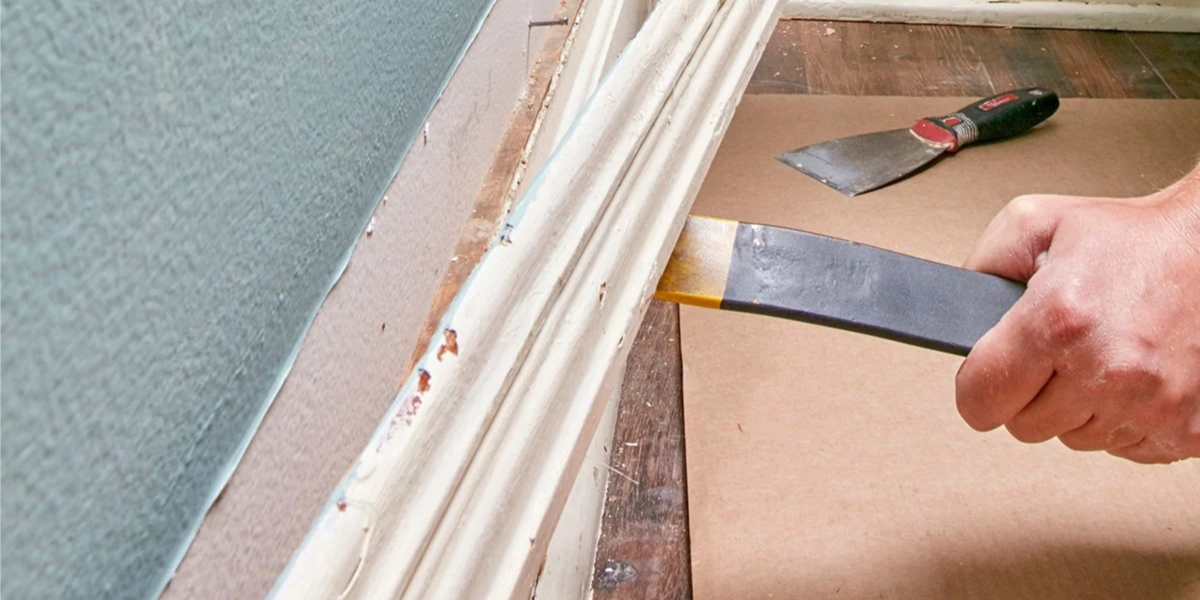
Step 8: Remove Paint From Moldy Molding (If Needed)

Sometimes, mold grows under paint. Use a paint stripper or sandpaper to remove old paint carefully, then clean the wood again. Wear your safety gear!


Step 9: Seal the Wood (Optional)

Apply a wood sealant or finish to protect against future moisture and mold.

How to Remove Mold From Different Wood Surfaces

If you’ve found mold on different wood surfaces, don’t worry. Here’s how to clean each type of surface easily and safely:


Wood Furniture

For wooden furniture, it’s best to use a mix of mild soap or detergent and a vinegar spray. Gently wipe the mold away—don’t soak the furniture, especially if it’s delicate. After cleaning, dry it as quickly as possible so no extra moisture is left behind.


Black Mold on Wood

Black mold can be a bit more serious, so always wear gloves and a mask before touching it. Use white vinegar or hydrogen peroxide to treat the area. Let it sit, then gently scrub. Since black mold can be toxic, be extra careful and make sure the space is well-ventilated.


Here’s how to remove black mold safely.


Wood Floors

For mold on wood floors, clean gently using warm water mixed with a small amount of detergent or a vinegar spray. Scrub lightly and avoid using too much water. After cleaning, dry the floor completely using towels and fans. Once everything’s clean and dry, you can apply a wood sealant to help prevent future mold.


White Mold on Wood

White mold usually looks like a powdery substance. You can spray white vinegar on it and gently scrub with a soft brush or cloth. It usually comes off pretty easily.


If you spot white spots, learn how to tell white mold apart from efflorescence, which often looks similar.


Green Mold on Wood

Green mold isn’t much different from other types. The same vinegar spray and light scrubbing method works well. Just make sure you dry the wood after cleaning.


Mold Stains on Wood

Even after cleaning, some mold stains might still be visible. If that happens, lightly sand the wood with fine sandpaper. This helps remove leftover marks and gives the surface a smoother look. Wipe off any dust after sanding and keep the area dry.

Tips to Keep Mold Away From Wood

Tips to Keep Mold Away From Wood

  • Control humidity: Keep indoor humidity below 60% with a dehumidifier or AC.


  • Fix leaks fast: Check pipes, roofs, and walls regularly.


  • Improve ventilation: Use fans or open windows in damp areas like bathrooms or basements.


  • Keep wood dry: Don’t place furniture directly on wet floors or against damp walls.


  • Clean regularly: Dust and wipe wood surfaces often.


  • Use mold-resistant finishes: Especially for outdoor wood.

When Should You Call a Professional?

When Should You Call a Professional

You should call a mold removal professional if the mold is covering a big area (more than 10 square feet), keeps coming back even after cleaning, looks like toxic black mold, or if it’s growing on important parts of your home like wooden beams or joists. Experts have the right tools and knowledge to safely remove the mold and find out what’s causing the moisture problem so it doesn’t come back again.

Wrapping Up

So, that’s all about how to remove mold from wood. Mold on wood is a pain, but don’t worry, it’s totally fixable! With the right cleaning methods, like vinegar, good safety, and prevention habits, your wood can stay strong and mold-free for years. Take care of it early, dry it well, and keep the air flowing. Your home will thank you!


FAQs

  • What kills mold best on wood? 

    Vinegar is one of the best natural ways to kill mold on wood. It goes deep into the wood and kills most types of mold without damaging the surface.

  • Is bleach or vinegar better to kill mold on wood? 

    Vinegar is better because it soaks into the wood and kills mold from the inside. Bleach only kills mold on the surface and can damage the wood.

  • How to permanently remove mold from wood? 

    Clean the mold with vinegar, dry the wood completely, and fix any moisture problems. You can also seal the wood afterward to stop mold from coming back.

  • How long does it take vinegar to kill mold on wood? 

    Vinegar usually takes about 1 hour to kill mold on wood. Just spray it on, let it sit, then scrub and dry the area well.

  • What kills mold on wood instantly? 

    Nothing kills mold instantly, but hydrogen peroxide works quickly, usually within 10 to 15 minutes. Still, it’s best to let it sit before scrubbing for best results.

Posted on: May 26, 2025

How to Remove Mold From Walls Permanently

Have you noticed strange black, green, or white spots popping up on your walls lately? Or maybe there’s a weird, damp smell that hits you as soon as you walk into a room? That’s not just dirt or old paint—it’s probably mold, and yes, it’s a big problem for many homeowners.


It usually starts small. A little patch in the corner of the bathroom. A few spots behind the furniture. Before you know it, it spreads, smells worse, and might even make you or your family feel sick. Mold is sneaky, and it loves dark, damp spaces like bathrooms, basements, or poorly ventilated walls.


But here’s the good news—you can fix it.


In this guide, we’m going to show you exactly how to remove mold from walls safely, and most importantly, stop it from coming back. We’ll break it all down in easy steps that you can follow, whether you’re doing it yourself or thinking about calling a professional.


So let’s not wait until it gets worse. Let’s handle the mold now and keep your walls and your home clean, safe, and healthy.

What is Mold and Why It Grows on Walls

What is Mold and Why It Grows on Walls

Mold is a kind of fungus that grows in wet or damp places. It loves walls because they often get moisture from leaks, condensation, or bad air circulation.


Common Reasons Why Mold Grows on Walls:


Cause Explanation
Poor ventilation Humid air gets trapped and causes moisture
Leaky pipes or roofs Water seeps into the walls
Condensation Warm air meets cold walls (especially in winter)
Flood or water damage Water soaks into the wall materials


Types of Mold You Might See


Type of Mold Color Dangerous?
Black Mold Dark green or black Very harmful, needs urgent care
White Mold White, powdery Less harmful, but still needs removal
Green Mold Green, fuzzy Can trigger allergies and asthma


Note: Black mold (Stachybotrys) is very dangerous and should never be removed by hand if it covers a large area or if anyone in the house has breathing problems.


If interested, you can visit this important guide to learn about white mold vs. black mold.

Health Risks From Mold

Mold isn’t just ugly—it can actually make you feel sick. If you’ve been dealing with a runny nose, sneezing, coughing, headaches, feeling tired for no reason, or even skin rashes, mold might be the cause. 


It’s even worse for people with asthma or breathing problems. Breathing in mold for a long time can lead to serious lung infections. So if you notice any of these symptoms, it’s really important to deal with the mold quickly.

How to Check for Mold on Walls


Sometimes, mold is easy to spot. Other times, it hides behind wallpaper or under paint.


How to Know If It’s Mold:


  • Strange musty, or earthy smell
  • Paint is peeling or bubbling
  • You see fuzzy patches or discoloration
  • Allergies get worse when you’re home.


You Can Also Test for Mold:


  • DIY mold test kits (available online or at stores)
  • Professional testing – best for large or hidden mold.

When to Call a Pro

You should call a professional if the mold is covering a large area (more than 10 square feet), if someone in your home has asthma or a weak immune system, if you see toxic black mold, or if the mold is caused by serious water damage like a flood or roof leak. In these cases, trying to clean it yourself can be dangerous and might make things worse, so it’s much safer to let a pro handle it.


You can visit this guide to learn how to check for mold after water damage.

What to Do Before Cleaning Mold


Wear Proper Gear:


  • Rubber gloves
  • N95 mask
  • Goggles
  • Old clothes (you might throw them away).


Prep the Area:


  • Open windows or use a fan
  • Cover floors and furniture with plastic sheets
  • Keep pets and kids away.


DO NOT:


  • Use harsh abrasives on painted walls
  • Mix bleach with ammonia (it creates toxic gas).

How to Remove Mold From Walls – Step by Step

Here’s the part you’ve been waiting for: that is how to get rid of mold on walls permanently.


1. Mold on Painted Walls

Mold on Painted Walls

If you see mold on a painted wall, mix equal parts of white vinegar and water in a spray bottle. Spray it right on the mold and leave it for about an hour. Then, gently wipe it with a soft cloth. Don’t scrub too hard, or the paint might come off.


2. Mold on Drywall or Plaster

Mold on Drywall or Plaster

For mold on drywall or plaster, use a mix of 3 percent hydrogen peroxide and water. Spray it on the spot and wait for 10 minutes. After that, gently wipe it using a sponge. Make sure to dry the area completely afterward so the mold doesn’t come back.


3. How to Clean Mold Without Bleach

How to Clean Mold Without Bleach

Bleach can sometimes damage paint and make mold go deeper into the wall. A better option is to mix baking soda with water to make a paste. Spread it on the mold, wait for about 30 minutes, then gently scrub it with a soft brush.


In case you go for bleach, you should know the bleach-to-water ratio for mold


4. Black Mold

Black Mold

If you’re dealing with black mold in a small, dry area, you can use vinegar or hydrogen peroxide. Spray it on and let it sit for one to two hours. Always wear gloves, a mask, and goggles for extra safety. But if the area is large or makes you feel sick, call a professional right away.


5. Wallpaper or Tiled Walls

Wallpaper or Tiled Walls

To clean mold from wallpaper, gently wipe it with a sponge soaked in vinegar or mild soapy water. Don’t use too much water, or the wallpaper might peel. For tiled walls, you can scrub the grout lines with a small brush to remove mold.

Deep Cleaning and Post-Cleaning Tips

After the Mold is Gone:


Task Why It’s Important
Clean the area thoroughly Removes leftover spores
Use mold-killing spray Prevents regrowth
Dry the area completely Mold loves moisture
Wash cleaning tools or throw them away To stop spores from spreading

How to Stop Mold from Coming Back

Mold often comes back if you don’t fix what caused it in the first place. To stop it for good, try using a dehumidifier to keep the room’s humidity below 50 percent. Open your windows often to let in fresh air, and if you have a bathroom, install an exhaust fan to get rid of moist air. 


Fix any leaky pipes or roofs quickly so water doesn’t sneak in. You can also paint your walls with mold-resistant paint, especially in damp areas like bathrooms and kitchens. Lastly, check your walls for any wet spots or condensation and wipe them dry as soon as you see them.


Room-by-Room Mold Help

Bathroom Mold:


  • Most common spot due to steam and water
  • Use exhaust fans and squeegee tiles after showers.

Basement Mold:


  • Caused by damp ground or poor airflow
  • Use a dehumidifier and check for cracks in the walls.

Bedroom or Living Room Mold:


  • Usually caused by leaks or blocked air vents
  • Keep furniture away from walls to allow airflow.

Exterior Wall Mold:


  • Often from rainwater, poor gutter systems, or cracks
  • Seal cracks, repaint with mold-resistant exterior paint.

Legal, Health, and Insurance Things to Know

When it comes to mold, there are some legal and insurance things you should know. If mold was caused by sudden water damage, like a burst pipe or flood, your home insurance might cover the cleanup. 


If you’re renting, your landlord is responsible for fixing leaks and removing mold. As a tenant, you have the right to report the problem if it’s not being taken care of. 


After professional mold removal, you can also get a mold clearance certificate, which proves that the mold was properly treated and the area is safe again.

Wrapping Up

So, that’s all about how to remove mold from walls permanently. Mold on walls is more than just an ugly spot—it can affect your health and damage your home. But don’t worry, with the steps above, you can remove it safely and keep it from coming back. If you’re ever in doubt, or if the mold keeps coming back no matter what you do, don’t hesitate to call a professional.


FAQs

  • What is the best mold remover for walls?

    White vinegar is natural, cheap, and works well. For tougher mold, hydrogen peroxide is a good choice too.

  • Can mold come back after cleaning?

    Yes, if the moisture problem isn’t fixed. Always dry the area and keep air moving to stop mold from coming back.

  • Is bleach safe for painted walls?

    Not really. Bleach can harm paint and may not kill mold roots completely.

  • How do I keep mold off bathroom walls permanently?

    Use a fan, keep walls dry, clean often, and use mold-resistant paint to protect your bathroom walls.

  • Can you paint over mold?

    No! Painting over mold won’t stop it. You must clean and kill the mold first before painting.

  • Can I clean mold from wallpaper?

    Yes, but gently. Use a cloth with vinegar or mild soap and avoid soaking the wallpaper.

  • What kills black mold on walls?

    Vinegar and hydrogen peroxide work well to kill black mold. For large areas, call a professional for help.

  • How to remove mold from walls easily?

    Spray vinegar or baking soda paste on the mold, wait, then wipe gently. Make sure to dry the area well after cleaning.

Posted on: May 26, 2025

How to Remove Black Mold Safely and Easily

Let’s say you walk into your bathroom or basement and notice a weird, musty smell. You look around and spot some dark patches on the wall. It’s not just dirt—it might be black mold. Now you’re thinking, “Is this dangerous? Can I clean it myself? What should I do next?”


You’re not the only one. A lot of people find black mold and feel unsure about what to do.


Here’s the truth—black mold can be harmful, especially if someone in your home has asthma, allergies, or a weak immune system. It spreads fast in damp places and gets worse if ignored.


But don’t worry. In this guide, we’ll talk about how to remove black mold from the house in a safe and proper way. We’ll explain why doing it yourself can be risky, how the pros handle it, and how much it might cost.


Let’s get started and make this as simple as possible.

What is Black Mold?

What is Black Mold

Black mold is a type of fungus. It loves damp and warm places. It usually looks dark green or black and feels slimy. The science name for it is Stachybotrys chartarum.


You’ll often see it in:


  • Bathrooms
  • Basements
  • Around leaky windows
  • In air vents.


If you’re unsure what type of mold you have, read white mold vs black mold to know the difference before removal.


Why is Black Mold Dangerous?

Is all black mold toxic? Not all black mold is toxic. But some types release something called mycotoxins. These toxins are harmful to people and pets.


Health Risks:


Symptom

Who is Most Affected

Coughing or wheezing People with asthma or lung issues
Skin rashes People with allergies
Red or watery eyes Everyone
Headaches or tiredness Kids and older adults


Why DIY Black Mold Removal is Risky

Thinking of cleaning it with bleach or vinegar? Hold on! When you try to remove black mold yourself, it may:


  • Release spores into the air
  • Spread to other rooms
  • Make the problem worse


And if you don’t wear full safety gear (mask, gloves, suit), you’re breathing in the danger. Plus, home insurance may not help if they know you did DIY. So the best and safest option is to call a mold removal professional.


Black Mold Symptoms in Your Home

Black Mold Symptoms in Your Home

What to Look For:


  • Dark spots on walls or ceilings
  • Musty, damp smell
  • Peeling wallpaper or paint
  • Water damage


Mold often shows up in places that stay damp or don’t get much sunlight. You’ll commonly find it on bathroom walls because of all the steam from showers. 


Basement corners are also a hotspot since they’re dark, closed off, and can stay damp for a long time. HVAC vents can spread mold through the air, and under sinks is another common area because of hidden leaks and no sunlight to dry things out.


After a leak or flood, it’s smart to check for mold after water damage before learning how to remove black mold safely and easily.

How to Remove Black Mold by Professionals – Step-by-Step

Here’s what pros do when they come to your home:


Tools Experts Use:


Tool

What It Does

Full-body suit Protects the worker
N95 or full-face mask Filters spores during cleanup
HEPA vacuum Removes mold from surfaces and air
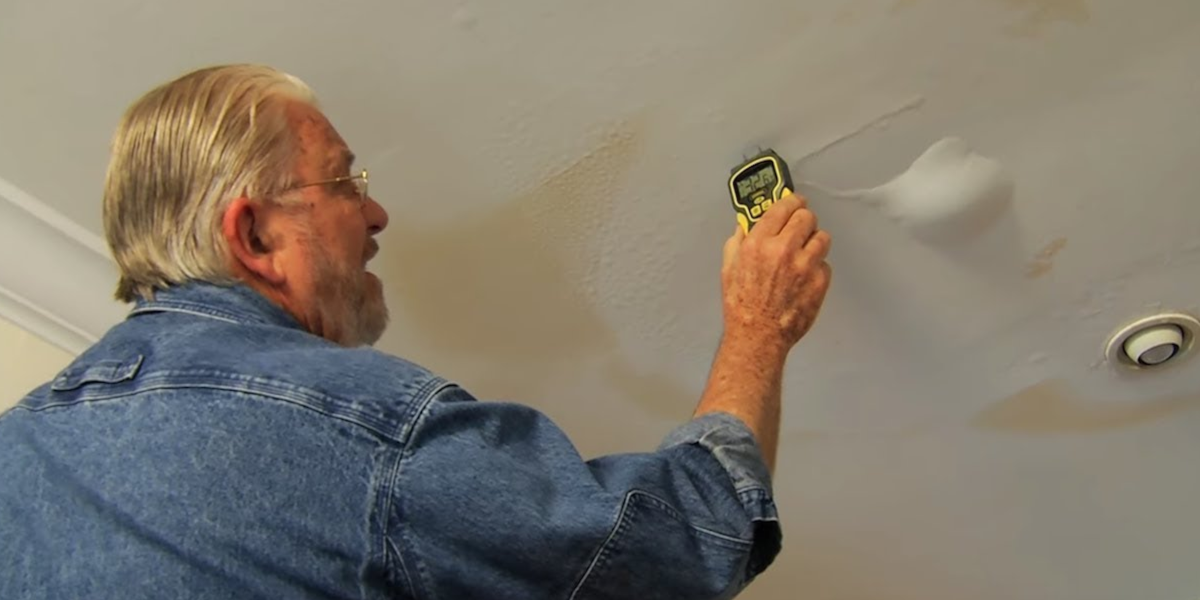
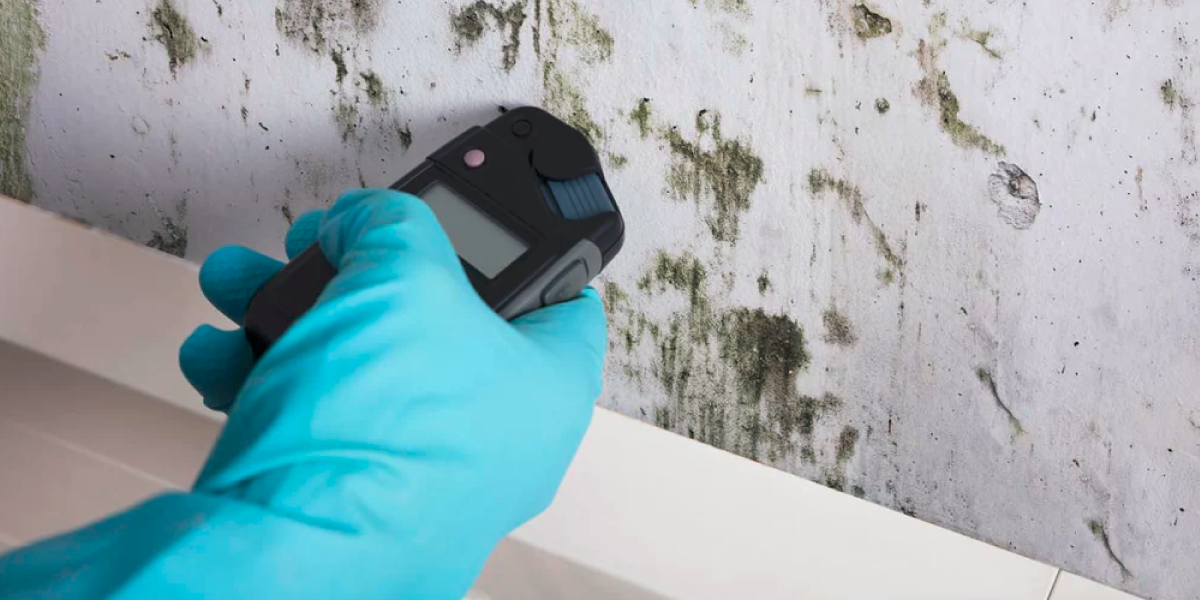
Moisture meter Finds hidden wet spots
Commercial dehumidifiers Dries out large areas fast


So, here’s how to get rid of black mold. 


1. Inspection and Testing

Inspection and Testing

The pros first walk around and check where the mold is growing. They use special tools like moisture checkers and small cameras to see behind walls or inside hidden spots.


2. Seal Off the Area

Seal Off the Area


They cover the moldy room with plastic sheets and tape. This helps stop mold from spreading to other parts of the house while they work.


3. Clean the Air

Clean the Air

They bring big machines with special filters called HEPA filters. These pull mold spores out of the air so you don’t breathe them in.


4. Remove Mold Safely

Remove Mold Safely

The team removes anything that has a lot of mold, like parts of walls, carpets, or wood. Then they spray strong cleaning liquids that kill the mold. These black mold removal sprays are not found in normal stores.


5. Dry the Area

Dry the Area

Once the mold is gone, they use fans and dehumidifiers to dry everything fully. Mold loves water, so drying is super important.


6. Final Check

Final Check

Before leaving, they test the air again to make sure the mold is really gone. This helps make sure the place is safe for you and your family.

How to Prevent Mold From Coming Back

After mold is removed, you need to keep your home dry and clean.


Easy Prevention Tips:


  • Fix leaks quickly


  • Open windows or use exhaust fans


  • Use a dehumidifier in damp rooms


  • Clean often, especially around sinks and tubs


  • Paint with mold-resistant paint in bathrooms and basements.

When to Call a Pro Immediately

You should call a professional right away if the mold is bigger than a piece of paper, if anyone in your home is feeling sick a lot, or if you cleaned the mold before but it came back again.

Wrapping Up – Don’t Wait

If you see signs of black mold, don’t ignore it. Don’t try to clean it with just sprays or vinegar. Call a trained expert. They know exactly how to remove black mold the right way, without putting your health at risk. Mold grows fast, but help is faster.


Stay safe. Stay mold-free.


FAQs

  • Is it safe to clean black mold yourself? 

    Cleaning black mold yourself can be risky because mold spores can spread and cause health problems. It’s safer to let professionals handle it, especially if the mold is big or hidden.

  • What kills black mold instantly? 

    Strong chemicals like commercial mold removers and EPA-approved sprays can kill black mold quickly on surfaces. Regular home products might not work fast or well enough.

  • What kills black mold permanently? 

    To kill black mold for good, you need to remove the mold and fix the moisture problem. Professionals also use special treatments that stop mold from growing back.

  • Will bleach kill black mold? 

    Bleach can kill mold on hard surfaces but doesn’t work well on porous things like drywall. It may only clean the surface, so mold can come back.If you’re thinking of using bleach, first check the right bleach-to-water ratio for mold before starting the cleaning process.

  • Does vinegar kill black mold? 

    Vinegar can kill some types of mold on surfaces, but it’s not strong enough for big or hidden mold problems. It’s better for small, fresh spots.

  • How to kill toxic mold in under 5 minutes? 

    There’s no safe way to kill toxic mold in just five minutes by yourself. Quick fixes may spread spores and cause harm. Professionals use special gear and chemicals to do it safely and fully.

  • How do professionals remove black mold? 

    Pros inspect and test the mold, seal off the area, clean the air, remove moldy materials safely, dry everything completely, and then check to make sure the mold is gone.

  • How much does it cost to remove black mold? 

    The cost to remove black mold depends on how big the problem is and where it’s growing. If the mold is hidden inside walls or under floors, it may cost more, and sometimes insurance can help cover the cost.

  • How to remove drywall with black mold? 

    First, wear full safety gear like gloves and a mask. Cut out the moldy drywall carefully without spreading dust. Seal it in a plastic bag and clean the area before replacing it.

  • Do you dilute vinegar to kill mold? 

    No, you don’t need to dilute vinegar. Use plain white vinegar and spray it straight onto the moldy surface. Let it sit for at least an hour before wiping it clean.

Posted on: May 22, 2025

How to Remove Mold: What You Must Know

Have you ever walked into your bathroom or basement and noticed a weird smell or strange black spots on the wall? That could be mold, and it’s more common than you think.


Mold isn’t just an eyesore. It smells musty, ruins walls, and can make people feel sick, especially kids, the elderly, or anyone with asthma. And the worst part? It spreads fast if you don’t stop it in time.


That’s why it’s super important to know how to spot it early, what causes it, and how to remove mold before it gets worse. In this guide, we’ll walk you through everything you need to know step by step. 


No matter if you’re planning to clean it yourself or thinking about calling a pro, you’ll be ready to take the right action and keep your home mold-free for good. 


Let’s get started.

What Is Mold and Why Is It Dangerous?

What Is Mold and Why Is It Dangerous

Mold is a type of fungus. It grows in damp, warm places. It spreads fast. You might not see it at first, but it can be hiding behind walls or under floors.


Why mold is dangerous:


  • It can damage your home.
  • It can make you and your family sick.
  • Even, it can cost a lot to clean if you wait too long.


Places where mold loves to grow:


  • Bathrooms
  • Basements
  • Attics
  • Around leaking windows or roofs


That’s why you must act fast. If mold spreads, it becomes harder and more expensive to clean. You can either do mold removal yourself (if it’s small) or call a pro for mold remediation (if it’s big). 


Always follow the clean-up guidelines from the EPA and the CDC.


How to Identify Mold at Home

You might not see mold right away. But there are signs. Look out for:


  • Musty smell
  • Brown, green, or black spots on walls
  • Allergy symptoms like sneezing or itchy skin.


Mold vs Mildew (Simple Table)


Feature Mold Mildew
Color Black, green, or white Gray or white
Texture Fuzzy or slimy Powdery
Smell Strong and musty Mild
Damage Can rot wood Less harmful


If you’re not sure, use a DIY mold test kit from a store. Or call a pro to test it for you. The sooner you know, the better. If you wait, it can spread fast.


White mold grows in damp areas and is less toxic than black mold — see the full guide in white mold vs black mold.

Is Mold Dangerous? Health Risks Explained

Yes, mold can be dangerous, especially for people who have asthma, allergies, or a weak immune system. It can cause sneezing, coughing, skin rashes, and even trouble breathing. 


Children, older adults, and anyone with health problems are more at risk. The CDC clearly says that breathing in mold for too long can lead to serious health issues. 


That’s why it’s so important to catch it early and stop mold from spreading. Taking quick action can help protect you and your family from getting sick.

What the EPA and CDC Say (USA Guidelines)

What the EPA and CDC Say (USA Guidelines)

Both the EPA and the CDC give clear rules about mold clean-up.


Here are their main points:


Guideline What You Should Do
Small mold area (<10 sq. ft.) You can clean it yourself
Large mold area (>10 sq. ft.) Hire a professional remediation team
Moisture level indoors Keep it between 30% – 50%
Mold in the workplace Follow OSHA rules


If you rent a home, your landlord is usually responsible for mold clean-up. This follows fair housing laws.

What Causes Mold Growth?

Mold doesn’t just show up. It needs moisture.


Here’s what causes mold:


  • Water leaks
  • Flood damage
  • High humidity
  • Poor air flow (like in closed bathrooms or attics)
  • Broken or clogged HVAC systems


Also, after heavy rains or storms, mold can start growing fast. So always fix leaks and dry wet spots right away.

How to Remove Mold From Home: DIY Mold Removal

How to Remove Mold From Home: DIY Mold Removal

You can clean mold yourself if the area is small (less than 10 square feet).


Wear safety gear:


  • Gloves
  • Goggles
  • N95 mask


What kills mold permanently?


  • Bleach: works fast but doesn’t soak deep
  • Vinegar: kills mold at the root
  • EPA-approved products: best long-term option.


Bleach vs Vinegar – Quick Chart


Product Kills Surface Mold Kills Root Mold Safe for Skin Strong Smell
Bleach ✅ Yes ❌ No ❌ No ✅ Yes
Vinegar ✅ Yes ✅ Yes ✅ Yes Mild


Step 1: Open Windows and Seal the Room

Open Windows and Seal the Room

Open windows to let fresh air in. If the mold is in a room with a door, close the door and seal off the area using plastic sheets and tape. This stops mold spores from spreading to other parts of your home.


Step 2: Scrub the Mold Off

Scrub the Mold Off

Spray your chosen cleaner (for instance, you can mix 1 cup of bleach with 1 gallon of water to clean mold — get full steps in bleach to water ratio for mold) on the moldy spot. 


Let it sit for a few minutes. Then scrub the area using a brush or sponge. Be gentle if it’s a painted wall or soft surface. If the mold goes deep, you may need to spray and scrub more than once.


Step 3: Rinse and Dry the Area Fully

Rinse and Dry the Area Fully

Once you scrub the mold away, rinse the spot with clean water (if needed) and dry it completely using a towel or fan. This part is very important — mold loves moisture, and it will come back if the area stays damp.


Pro Tip: Always throw away used sponges, rags, or brushes after cleaning mold. Mold spores can stay on them and spread again if reused.

When to Call a Professional

When to Call a Professional

If the mold keeps coming back after cleaning, or if you smell it but can’t see where it’s coming from, it’s time to call a professional. You should also call a mold expert if the moldy area is bigger than 10 square feet, or if it’s inside your walls, air vents, or crawl spaces. 


These places are hard to reach and can be dangerous to clean on your own. A mold remediation expert has the right tools and training to find hidden mold, clean it safely, and make sure it doesn’t come back.

How to Prevent Mold After Removal

Stopping mold from coming back is just as important as cleaning it. Here’s how to stop mold growth.


Easy prevention tips:


  • Keep humidity below 50%
  • Fix leaks fast
  • Use mold-proof paint and drywall
  • Clean bathrooms and kitchens often
  • Service your HVAC system


These mold removal tips will help you keep your home safe and healthy for years.

Mold Insurance and Home Liability

Mold Insurance and Home Liability

Mold problems are common in U.S. states like Florida, California, and Texas because of the humidity.


Here’s what you need to know:


  • Insurance might not cover mold from long-term leaks


  • If you rent, your landlord must keep the property mold-free.


Always check your home insurance policy. You don’t want surprises later.


After water damage, look for musty smells, stains, and moisture spots — learn more about how to check for mold after water damage.

Wrapping Up: Keep Mold Out for Good

Mold is more than just an ugly stain. It can hurt your health and damage your home. But now you know what to do.


  • Act fast
  • Clean it right
  • Prevent it from coming back


Whether you’re doing it yourself or hiring help, always follow mold clean-up guidelines and recommendations. If you’re unsure, call a professional. With these easy steps, you’ll always know how to remove mold from your home safely and keep your space fresh and healthy.


FAQs

  • What do professionals use to remove mold? 

    Professionals use EPA-approved mold cleaners, strong disinfectants, and special equipment like air scrubbers and protective suits. They also use moisture meters to find hidden mold and make sure the area is fully dry. Their tools and training help remove mold safely and completely.

  1. Does vinegar kill mold? 

    Yes, vinegar kills most types of mold. It works best on non-porous surfaces like glass, tile, and metal. It’s also safe, natural, and has no strong chemical smell like bleach.

  • How long does it take vinegar to kill mold? 

    Vinegar usually takes about 1 hour to kill mold. Spray it on the moldy area, let it sit for at least 60 minutes, then scrub and wipe it clean. Don’t rinse it off too soon — give it time to work.

  • Does apple cider vinegar kill mold? 

    Yes, apple cider vinegar can kill mold, but white vinegar is more effective. Apple cider vinegar is better for natural cleaning, but it’s not as strong at killing mold compared to regular white vinegar.

  • Can I remove mold myself? 

    Yes, you can remove mold yourself if the area is small (under 10 square feet) and easy to reach. Wear gloves, a mask, and goggles, and use the right cleaner. For bigger or hidden mold, it’s safer to call a pro.

  • Is bleach or vinegar better to kill mold? 

    Vinegar is better for killing mold at the root and is safer to use. Bleach kills mold on the surface but doesn’t go deep. Vinegar also doesn’t release harmful fumes like bleach does.

  • What are signs of mold sickness? 

    Common signs include sneezing, coughing, itchy eyes, skin rashes, and breathing problems. Some people may feel tired or get headaches. If you notice these signs and have mold at home, it’s best to get it checked.

  • Is it safe to clean mold yourself? 

    Yes, it’s safe to clean small mold patches yourself if you wear proper safety gear and follow the right steps. But if the mold is large or keeps coming back, it’s safer to let a professional handle it.

  • How much does it cost to remove mold? 

    Mold removal costs depend on how big the problem is and where the mold is found. Sometimes, home insurance may help cover the cost if the mold was caused by a sudden issue like a burst pipe.