
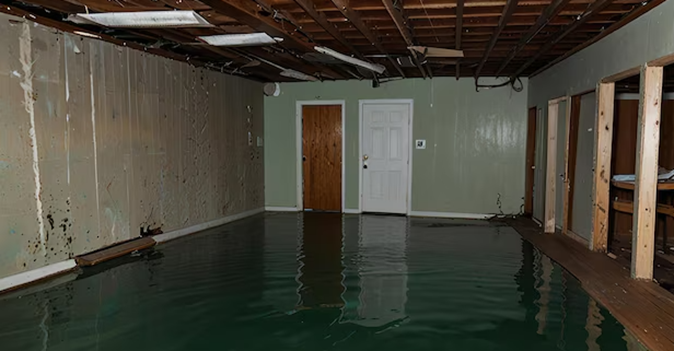
Orange County properties face unique risks from plumbing failures, coastal humidity, seasonal storms and aging infrastructure. The speed and swift action are essential when there is water intrusion. The Water damage restoration Orange County services are meant to safeguard property values, avoid health risks and minimize the long term repair expenses. This blog states how the homeowners and property managers must proceed after water damage. You will know what should be done first, how professionals go about the restoration and what to do to prevent frequent errors causing mold and structural problems.
Understanding Water Damage in Orange County
Water damage is not always evident. Walls and flooring will be sprayed with moisture behind and into the insulation several hours later. Delays are also dangerous in Orange County because of the warm temperatures, which cause the quick growth of microbes.
Common local causes include:
- Burst supply lines in older homes
- Roof leaks after seasonal rain
- Malfunctioning of appliances (washers, dishwashers, water heaters)
- Slab leaks in coastal properties
- HVAC condensation buildup
Every source has to be answered differently. The water that leaks out of a pipe break is not treated like the water that spills over during a backup or flood.
Immediate Safety and Containment

- Switch off the primary water.
- Turn off the electricity in affected areas.
- Avoid contact with standing water.
- Move valuables and electronics to a dry zone.
If water is still entering the space, containment prevents spread to adjacent rooms. Quick action limits damage to drywall, cabinetry and flooring.
Professional Assessment
The hidden areas are detected through a professional inspection which explains the extent of the moisture.
- Moisture meters
- Thermal imaging cameras
- Hygrometers to measure humidity
This step determines the category of water and the class of damage. These details shape the drying plan and help with insurance documentation.
Water Extraction and Debris Removal
Standing water is removed by using high-powered pumps and vacuums. Saturated carpet pads and damaged insulation are removed as porous materials that cannot be saved to avoid contamination.
The more time materials stay wet the more the chance of warping, staining as well as microbial growth.
Structural Drying and Dehumidification
After extraction, controlled drying begins. Industrial air movers and dehumidifiers reduce moisture in:
- Walls and framing
- Subfloors
- Cabinets and built-ins
- Crawl spaces and attics
This is where water damage restoration becomes technical. Drying must be balanced to avoid cracking wood or damaging finishes while still removing deep moisture.
Cleaning, Sanitizing, and Odor Control
Even pure water leaves mud behind. All the affected surfaces are washed and treated with antimicrobial solutions. Deeper sanitation is needed in case of gray or black water.
Odor control methods may include:
- HEPA air filtration
- Ozone or hydroxyl treatments
- Enzyme-based cleaners
These steps protect indoor air quality and restore livability.
Repairs and Property Recovery
The final phase returns the property to pre-loss condition. This may involve:
- Drywall replacement
- Flooring repair
- Cabinet restoration
- Paint and finish work
Full-service strategy avoids the loopholes between mitigation and rebuilding.
Common Mistakes to Avoid
- Waiting 24–48 hours before calling for help
- Using household fans instead of professional equipment
- Ignoring moisture behind walls
- Skipping documentation for insurance
Delays and shortcuts often lead to mold, higher costs and longer downtime.
Conclusion
Restoration is a planned process: isolate the damage, probe, get out the water, dry down, sanitize and repair appropriately. Every step is your guard to health and property. In case your Orange County home or business has a case of water intrusion, then you need to respond promptly and trust certified professionals. To quickly have someone nearby, call SOS Restoration and begin getting back on track.
FAQs
How fast should water damage be addressed?
Within the first 24 hours. Moisture spreads quickly and can begin causing microbial growth in warm climates like Orange County.
Can I dry my property myself with fans?
Household fans do not remove moisture from structural materials. Professional equipment is required for safe, complete drying.
Does insurance cover water damage restoration?
Many policies cover sudden and accidental water damage. Coverage depends on the source and policy terms.
What areas are often missed after a leak?
Wall cavities, subfloors, cabinets, and insulation commonly retain moisture and are overlooked without professional inspection.