
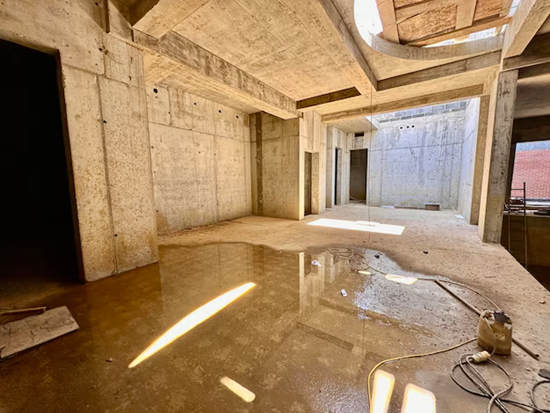
Water spreads fast. Faster than most people think. One small leak behind a wall can quietly soak drywall, wood, and insulation for hours before anyone notices. Then suddenly there is a stain on the ceiling or a wet carpet under your feet. It is scenarios such as this that lead to people going out to find emergency water damage restoration in Studio city California, in the middle of the night. Speedy response is important since the longer the water is stagnant, the more harm it will cause.
It would be nice to know what exactly happens during the process of restoration which will render the situation a bit less stressful. The process is not random. It is followed by a set of distinct steps that are aimed at preventing damage, drying the building, and reinstating the space in a safe manner.
Why Fast Water Damage Response Matters
Water damage restoration studio city inside a house begins reacting to moisture almost immediately.
Drywall softens. Wood expands. Paint starts bubbling. Within a day or two, mold can start growing inside damp areas that no one can see.
Restoration reports in the industries indicate that the growth of molds can start 24 to 48 hours following water exposure. It is the reason why emergency crews act fast, because of that short window.
Delaying cleanup often leads to problems like:
- Structural weakening in flooring or drywall
- Mold forming inside hidden wall cavities
- Electrical hazards from wet wiring
- Permanent damage to carpets and furniture
Quick restoration limits how far the moisture spreads.
First Step: Inspection and Damage Assessment
Technicians never directly plunge into repairs. The initial task is to determine what transpired.
An appropriate inspection involves moisture meters, thermal cameras, and the basic visual inspection. These instruments are used to find water that is concealed behind the wall or floors.
Click here and read more about water damage assessment & monitoring.

- Where the water came from
- How far did the moisture travel
- Which materials can be saved
- Immediate safety risks
This information shapes the restoration plan.
Water Removal Comes Next
Standing water has to go first. Restoration crews bring high-powered extraction equipment designed for this exact situation.
Large pumps remove pooled water quickly. Industrial vacuums pull water out of carpets and padding. The faster the removal happens, the easier the recovery becomes.
Many homeowners attempt cleanup with household equipment. Unfortunately, regular tools simply cannot remove moisture deep inside flooring or drywall.
Drying and Dehumidification
Water removal is only part of the process. Hidden moisture remains long after surfaces look dry.
Professional drying uses equipment designed to pull water out of building materials.
This stage usually includes:
- High-speed air movers that push air across wet surfaces
- Industrial dehumidifiers that remove moisture from the air
- Regular moisture readings to track progress
- Adjustments to airflow to prevent trapped damp areas
Drying often takes several days. Rushing this step causes bigger problems later.
Cleaning and Sanitizing the Area
Water damage sometimes brings bacteria, odors, and contamination with it. Floodwater or plumbing leaks can leave behind residue that needs proper cleaning.
Professionals restore the premises by cleaning the surfaces, carpets, and other materials that have been affected and render the area safe. During this stage, antimicrobial treatments and air filtration are very common.
Clean areas minimize health risks and prevent the development of molds in the future.
Repairs and Restoration Work
The final stage focuses on returning the home to normal. Some projects are simple. Carpet cleaning, drywall drying, and maybe repainting a section of wall.
Other situations require deeper repairs.
Common restoration repairs include:
- Replacing damaged drywall or insulation
- Repairing flooring or subfloors
- Repainting affected areas
- Restoring cabinets or baseboards
Each job looks a little different depending on how far the water spreads.
End of Line
At first sight, water damage may be overwhelming. Wet floors, plastered walls and that nagging thought of mold that gets in somewhere. Nevertheless, there is a systematic way of the restoration process. The work of inspection, removing water, drying, sanitation, and repairs is combined to restore a home to its normalcy.
Homeowners in Studio City usually end up finding that the most significant differentiator is a quick reply. The water damage restoration teams who are residents of Studio City understand how to prevent damage at the initial stages and avoid prolonged issues. Having professionals in the field such as SOS Restoration, makes the restoration of homes fast and safe when disasters strike in water.
FAQs
What does emergency water damage restoration in Studio City California involve?
It usually includes inspection, water extraction, drying, dehumidification, cleaning, and structural repairs to restore the property safely.
How fast should water damage restoration start?
Restoration should begin as soon as possible. Starting within the first 24 hours helps prevent mold growth and structural damage.
How long does water damage restoration Studio City take?
Small incidents may take two or three days. Larger flooding situations can take a week or more depending on drying time and repairs.
Can water damage cause mold problems?
Yes. Mold can start growing within 24 to 48 hours when moisture remains trapped inside walls, floors, or insulation. Proper drying and sanitation help prevent this.