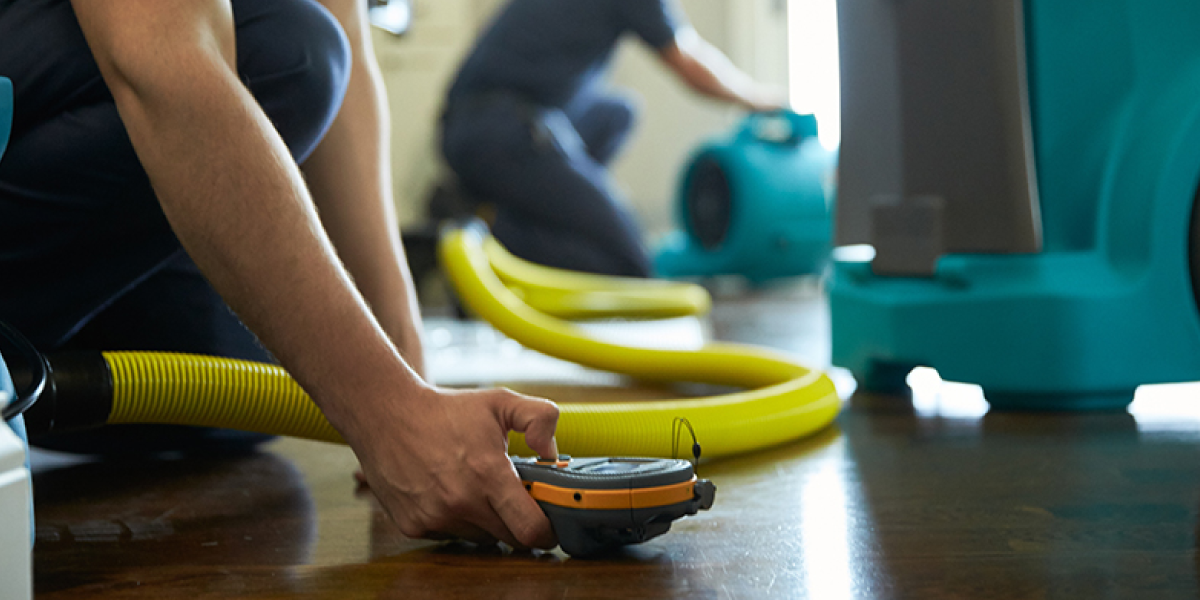
6 Steps on How to Check for Mold After Water Damage

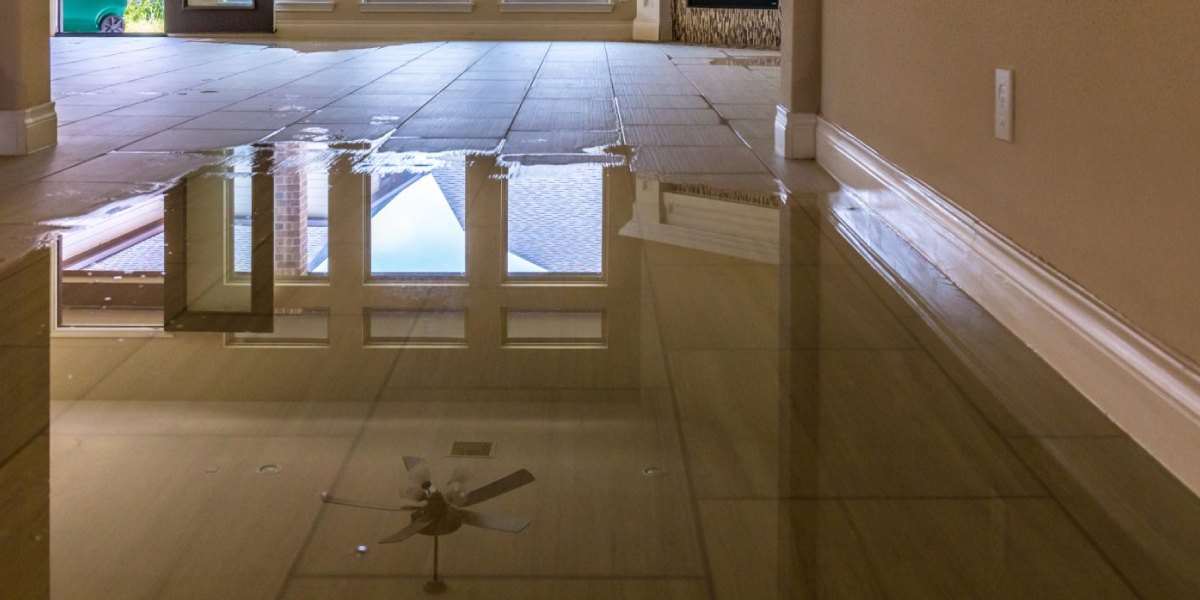
Water damage can lead to mold growth very quickly. If you’ve had a leak, flood, or plumbing issue, checking for mold is super important. Mold can damage your home and cause health problems.

So, how to check for mold after water damage? Check for mold by looking for black, green, or white spots, musty smells, and peeling paint in damp areas. Use a flashlight, moisture meter, or mold test kit to find hidden mold.

Let’s go step by step on how to check for mold and what to do if you find it.


Key Takeaways:

  • Mold grows fast – It can start forming within 24 to 48 hours after water damage.
  • Check for signs – Look for black spots, musty odors, peeling paint, and damp walls.
  • Inspect hidden areas – Check under carpets, behind wallpaper, inside vents, and dark corners.
  • Use tools – A moisture meter and mold test kit can help find hidden mold.
  • Remove mold fast – Clean small spots with vinegar, but call professionals for big infestations.
  • Prevent future mold – Fix leaks, control humidity, and improve ventilation.

What is Mold, and Why Does It Grow After Water Damage?

Mold is a type of fungus that spreads through tiny spores in the air. It grows in damp, warm places, especially after water damage.


How Fast Does Mold Grow?


  1. Within 24-48 hours: Mold spores start multiplying in damp areas.


  1. After 3-7 days: You may start noticing visible mold spots.


  1. After a few weeks: Mold spreads deeper into walls, ceilings, and flooring.


Why is Mold Dangerous?

Mold is dangerous because it affects both health and homes. It can cause allergies, coughing, breathing problems, and skin irritation, especially for people with asthma. 


In homes, mold slowly damages walls, ceilings, and wooden furniture, which makes them weak and unsafe. It also creates a strong, musty smell that lingers in the air. This actually makes rooms feel damp and unpleasant. 


If mold is left untreated, it spreads quickly and leads to costly repairs and serious health issues.

How Does Water Damage Lead to Mold?

How Does Water Damage Lead to Mold

Mold needs moisture, warmth, and a surface to grow. Water damage creates the perfect environment for mold.


Common Places Where Mold Grows After Water Damage


Location Why Mold Grows There Signs to Watch For
Walls & Ceilings Water seeps inside and stays trapped Peeling paint, dark spots, musty smell
Carpets & Rugs Absorb water and stay damp Wet spots, discoloration, musty odor
Basements High humidity, poor ventilation Moldy smell, black or green spots
Bathrooms Steam and leaks cause moisture Mold near sinks, bathtubs, and tiles
Air Vents & Ducts Condensation collects inside Musty air, dust buildup, breathing issues


If your home had a flood, pipe leak, or roof leak, check these places first!

Signs That Mold Might Be Growing

You don’t always see mold immediately. Look for these warning signs:

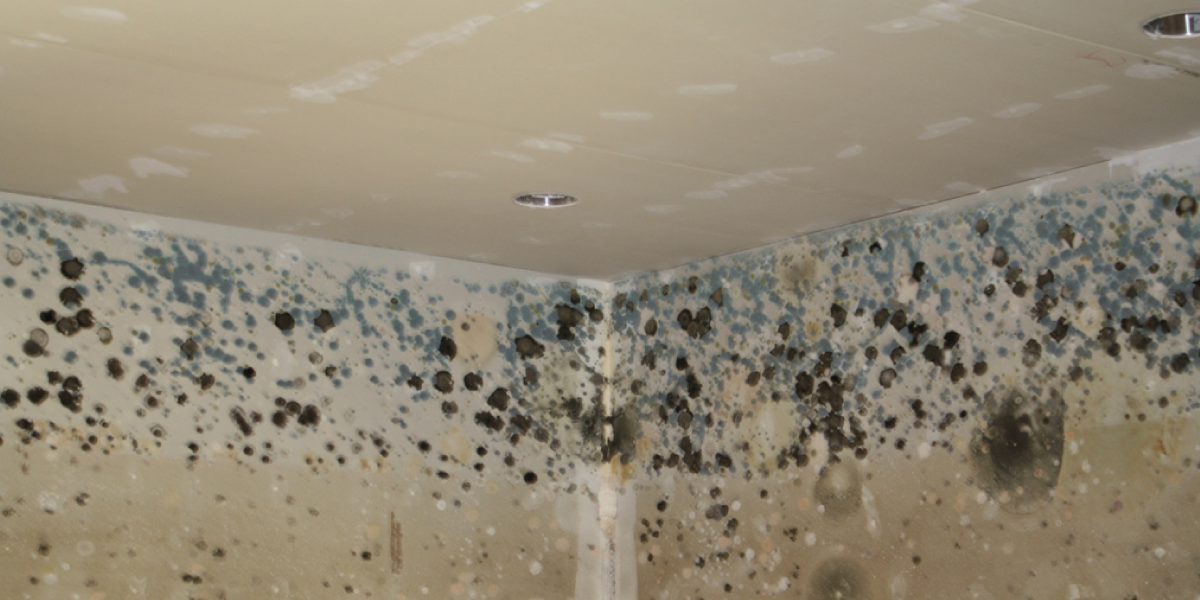
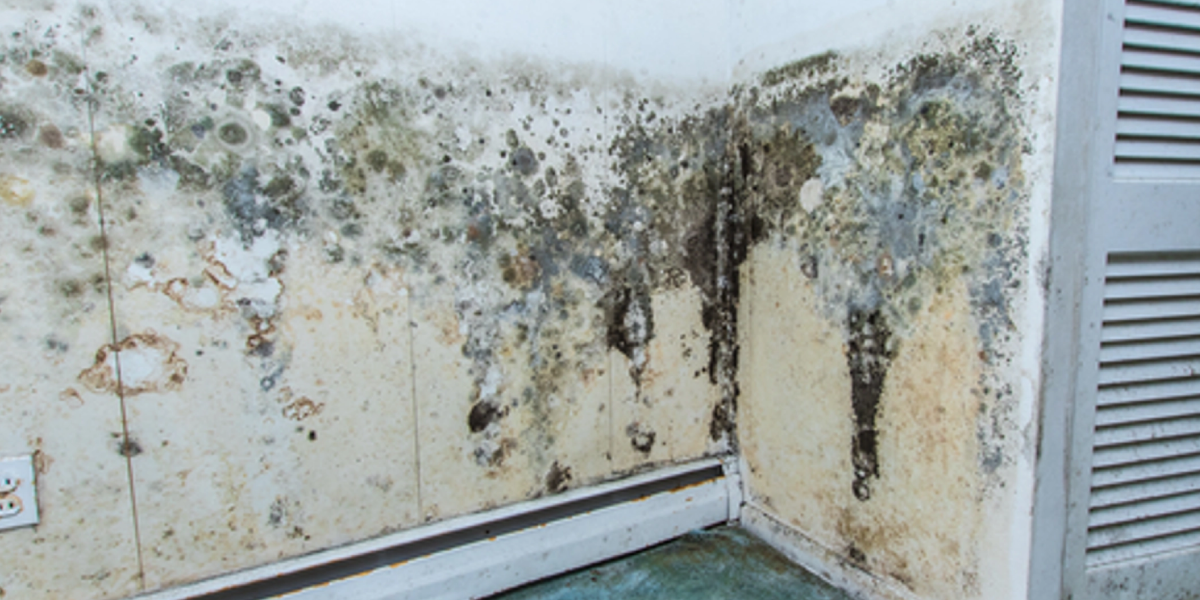
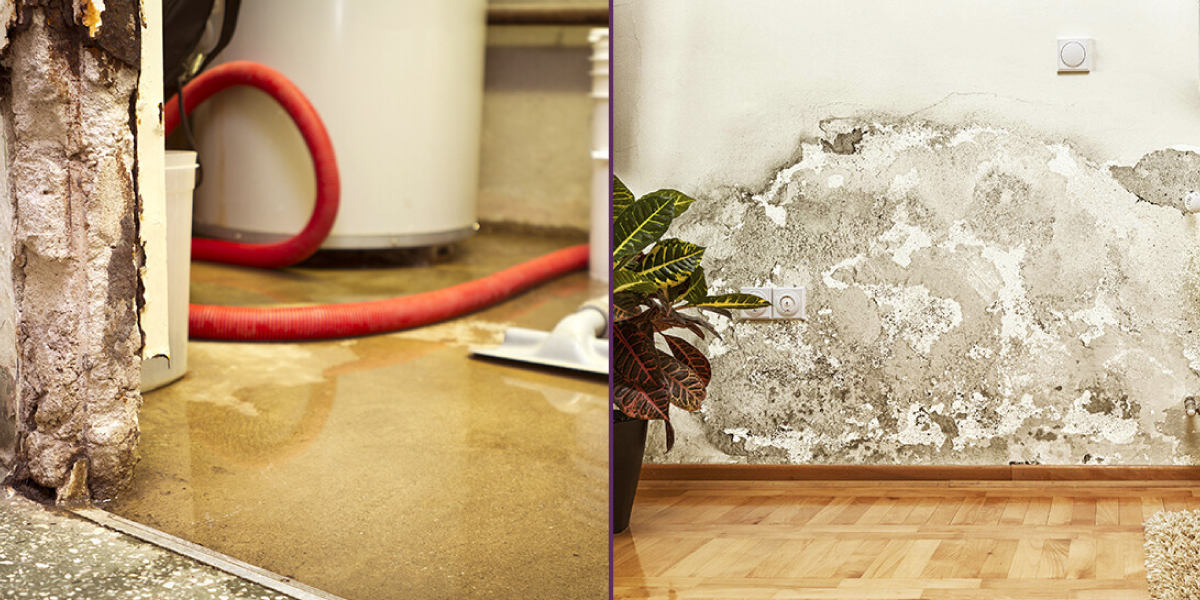
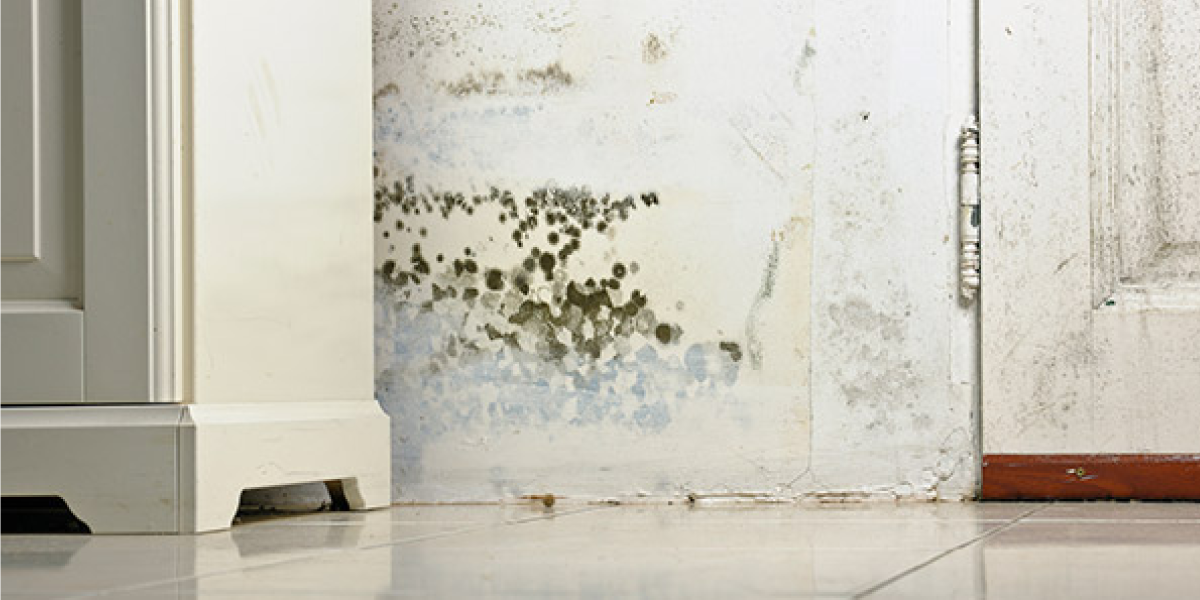
Visible Mold Spots

Visible Mold Spots

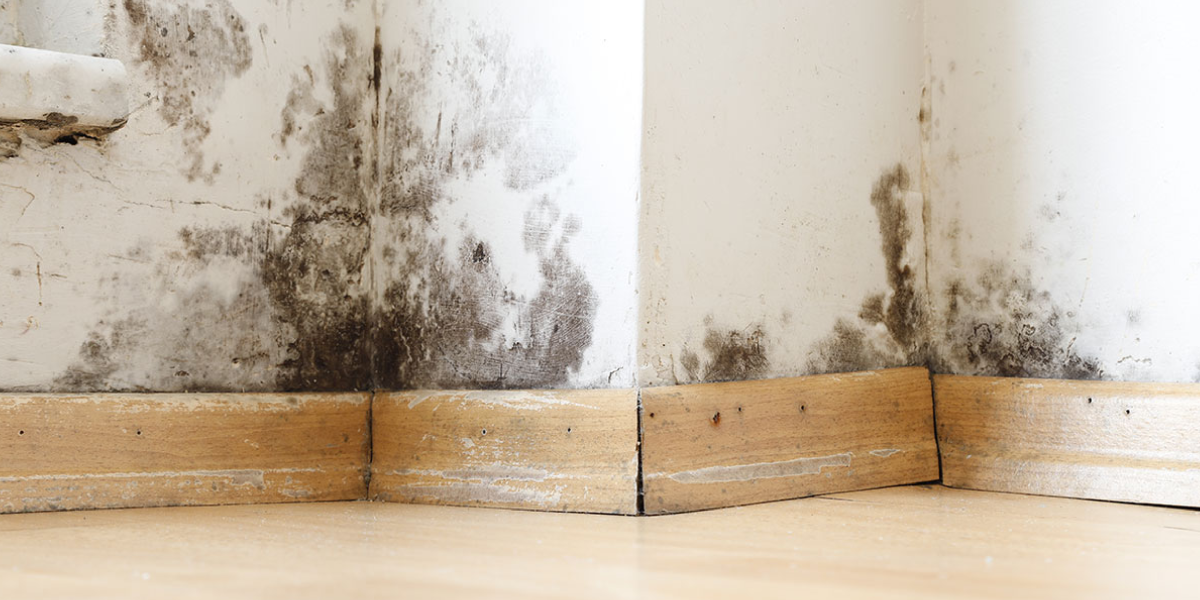
  • Black, green, white, or yellow patches on walls, ceilings, or furniture.


  • Black mold from water leaks is especially harmful.


Musty Odor and Mold Smell

Musty Odor and Mold Smell

  • A damp, earthy smell that lingers.


  • If a room smells musty, mold is probably growing there.


Health Symptoms

Health Symptoms

  • Coughing, sneezing, itchy eyes.


  • Breathing problems, especially for people with asthma.

Changes in Your Home

Changes in Your Home

  • Peeling paint or warped walls = water behind the surface.


  • Condensation on windows = too much moisture in the air.


Also, you can check out this insightful blog to learn more about the signs of water damage.

Steps on How to Check for Mold After Water Damage

Follow these steps below to inspect your home for mold.


Step 1: Check Areas with Water Damage


Check Areas with Water Damage

First, look at all the places that got wet, like walls, ceilings, carpets, and furniture. Don’t forget the corners, behind appliances, and under sinks. These spots can easily trap moisture and are where mold likes to grow.


Step 2: Use a Flashlight

Use a Flashlight

Shine a flashlight into dark, hidden spots like basements, behind furniture, and inside cabinets. Mold loves to hide in these areas, so using light can help you spot it better.


Step 3: Check Behind Walls & Under Carpets

Check Behind Walls & Under Carpets

Gently pull back the wallpaper or lift up a small section of carpet. If you notice black or green patches, that’s definitely mold, and it means you need to deal with it fast.


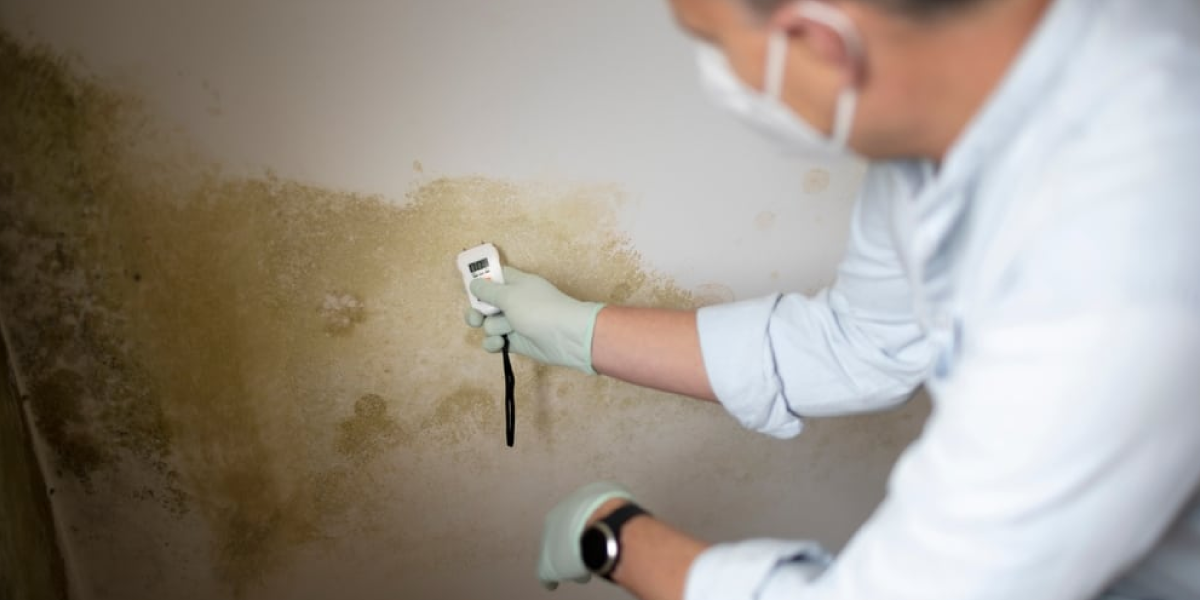
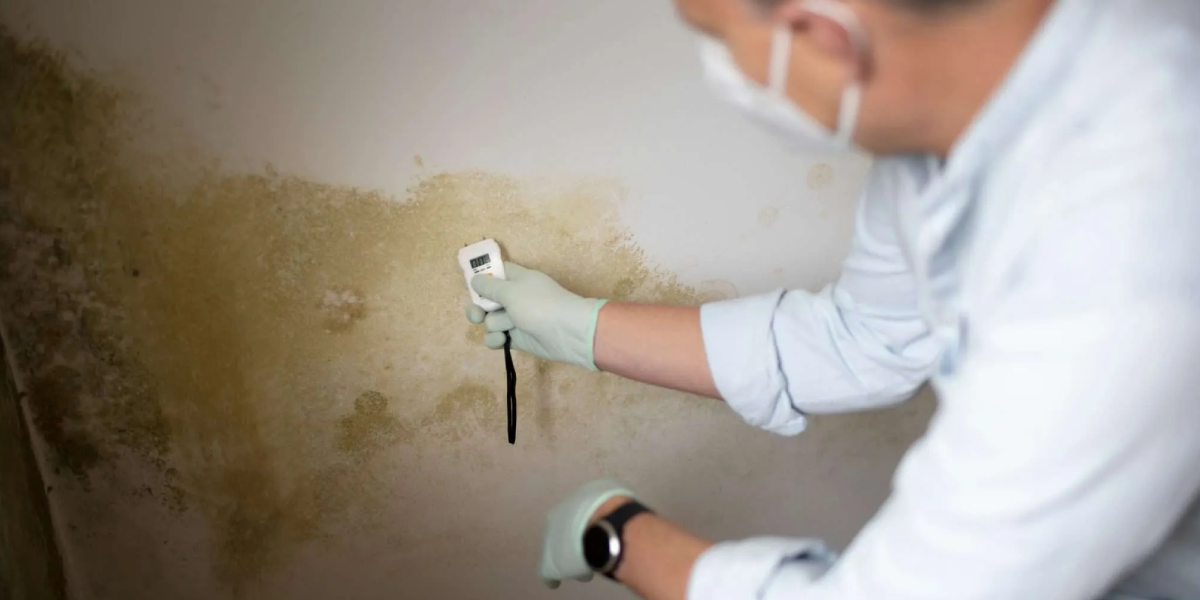
Step 4: Use a Moisture Meter

Use a Moisture Meter

A moisture meter helps find damp spots inside walls or floors. If the meter detects moisture, there’s a good chance mold is already growing there, so keep an eye out.


Step 5: Check for Condensation

Check for Condensation

Take a look at windows, pipes, and vents. If you see moisture building up, it’s a sign that mold can grow, especially inside air vents where it’s harder to notice.


Step 6: Use a Mold Test Kit (Optional)

Use a Mold Test Kit

If you’re unsure, you can buy a mold test kit to check for mold spores in the air. If the test comes back positive, it’s time to call a professional to help with mold removal.


Pro Tip: If mold is hiding inside walls or under floors, it’s tough to see. In these cases, it’s a smart idea to get professional mold remediation services to handle it.


At SOS Restoration, we provide expert mold removal and water damage restoration services. Our expert team uses advanced tools and techniques to remove mold and prevent it from coming back.


Our team is available 24/7 to help with any emergency. We offer affordable pricing and make sure you’re fully satisfied with the work. 


Just give us a call, and we’ll take care of the rest!

What to Do If You Find Mold

If you see mold, take action fast!


Small Mold Patches (DIY Cleaning)


  1. Mix white vinegar or baking soda with water.


  1. Scrub the moldy area with a brush.


  1. Dry the area thoroughly with a fan or dehumidifier.


Large Mold Patches (Professional Help Needed)


  1. If mold covers more than 10 square feet, it’s time for professional mold remediation.


  1. Mold inside walls, ceilings, or air vents needs expert cleaning.


Severe Mold Infestations (Replace Materials)


  1. If drywall, insulation, or carpets are full of mold, they must be replaced.


  1. Mold will keep coming back if the moisture problem isn’t fixed.


Warning: Don’t try to remove black mold by yourself. It releases toxic spores that can be dangerous to breathe in.

How to Prevent Mold in the Future

Once you’ve removed mold, prevent it from coming back!


Fix Water Leaks


  • Check pipes, sinks, and the roof for leaks.


  • Repair any leaks immediately to avoid mold growth.


Improve Ventilation


  • Open windows and use exhaust fans in the bathroom, kitchen, and basement.


  • Run a dehumidifier if your home feels damp.


Control Humidity


  • Keep indoor humidity below 50%.


  • Use an air conditioner in humid weather.


Dry Wet Areas Fast


  • After a flood or leak, dry everything within 24-48 hours.


  • Use fans and a wet vacuum to remove standing water.
  • For emergencies, contact a professional water damage restoration company.

Wrapping Up

So, coming to this point, we can hope that you now know how to check for mold after water damage. Checking for mold after water damage is super important to avoid health issues and property damage. Make sure to look in areas like walls, carpets, and basements, and use a moisture meter to find hidden damp spots. 


If you see mold, clean small patches yourself, but call in experts for bigger areas. 


Act quickly to prevent mold and keep your home safe and healthy!


Also, interested in learning how to get insurance to pay for water damage? Then you can visit this informative blog now!


FAQs

  • How to tell if water damage caused mold?

    If you see black, green, or fuzzy patches on surfaces, it might be mold caused by water damage. A musty smell and damp areas are also signs of mold growth.

  • How can I test myself for mold toxicity?

    To check for mold toxicity, you’ll generally need a doctor’s help. They might use blood or urine tests to look for mold byproducts.

  • How long after water damage does mold grow?

    Mold can start growing within 24 to 48 hours after water damage. It grows very fast when things are wet.

  • What are the symptoms of water mold exposure?

    Symptoms of water mold exposure include coughing, sneezing, stuffy nose, skin rashes, and trouble breathing. Some people might also feel tired or have headaches.

Posted on: February 23, 2025

Drying Water-Damaged Concrete? It’s Harder Than You Think!

Water and concrete don’t mix well. If a concrete slab gets wet, it can hold moisture for weeks. Many people think drying it is simple—just wait, and the water will evaporate. But that’s not true. 


Drying concrete is a slow process, and if done incorrectly, it can lead to mold, structural damage, and flooring failures.


Let’s break down why water-damaged concrete slabs are tough to dry and how to do it the right way.


Key Takeaways:

  • Concrete holds water longer than expected – It’s porous and absorbs moisture deep inside.
  • Drying isn’t just about waiting – You need airflow, dehumidifiers, and heat to speed up drying.
  • Moisture meters help check dryness – The surface may look dry, but water can still be trapped inside.
  • Ignoring wet concrete leads to damage – Mold, cracks, and flooring failures can happen.
  • Sealants and barriers prevent future issues – Proper sealing and drainage help keep concrete dry.
  • If drying takes too long, call a pro – Experts have the right tools for faster, safer drying.

Why Drying Concrete Takes So Long

Concrete looks solid, but it’s actually porous. It absorbs water like a sponge. Once wet, it holds moisture deep inside. That’s why it doesn’t dry as quickly as wood or tile.


Factors That Affect Drying Time

Drying water on concrete depends on several things:


Factor Effect on Drying
Humidity High humidity slows drying.
Temperature Warmer air speeds up drying.
Slab Thickness Thicker slabs hold moisture longer.
Ventilation Poor airflow slows evaporation.


Even under ideal conditions, a water-damaged concrete slab can take weeks or months to dry completely.

How to Know If Concrete is Still Wet


How to Know If Concrete is Still Wet

Just because the surface looks dry doesn’t mean all the moisture is gone. Water can stay trapped deep inside, leading to mold, flooring issues, and concrete cracks.


Signs of Moisture in Concrete


  • Discoloration – Dark or damp spots that won’t go away.


  • Efflorescence – White, chalky residue on the surface.


  • Cracking – Excess water weakens the slab over time.


  • Concrete leaks – Water coming through the slab, especially in basements. A flooded basement can cause significant water damage to concrete slabs.


Also, if you want to learn how to spot the early signs of water damage, you can check out our informative blog now!


Using a Moisture Meter

A moisture meter can check how much water is still inside the concrete. 


Experts also use:


  • Calcium chloride test (to measure evaporation rates).


  • Relative humidity (RH) test (to see moisture levels deep inside).


If the moisture level is too high, drying needs more time and better methods.

Risks of Not Drying Concrete Properly

Ignoring concrete water damage can lead to serious problems.


What Happens If Concrete Stays Wet?


Problem Why It Happens
Mold growth Moist conditions encourage mold and mildew.
Structural damage from water Weakens the concrete, causing cracks and sinking.
Flooring failure Trapped moisture makes wood warp and glue fail.


Mold Prevention in Concrete


  • Keep humidity below 50%.


  • Use fans and dehumidifiers for drying.


  • Apply mold-resistant sealants once dry.


If moisture isn’t removed properly, flooring can fail, walls can crack, and mold can grow inside the slab.

Right Way to Dry Water-Damaged Concrete

Right Way to Dry Water-Damaged Concrete

Simply waiting for water on the concrete to dry is not enough. You need the right drying methods.


Best Drying Methods

Drying Water-exposed concrete takes more than just waiting. You need the right methods to remove moisture quickly and safely.


Increase Airflow

Open windows and doors to let fresh air in. Use fans to push the moisture out. Good airflow helps speed up evaporation.


Use Dehumidifiers

A dehumidifier pulls water from the air. This helps the concrete dry faster, especially in humid areas. Place it close to the wet slab for better results.


Apply Heat

Warm air helps moisture escape from the concrete. You can use heaters or heat lamps. But don’t overheat—too much heat can cause cracks.


Use Drying Agents

Materials like silica gel or desiccants absorb moisture inside the concrete. Professionals often use these for deep drying when fans and heat aren’t enough.


Using a combination of these methods works best. Always check moisture levels with a moisture meter before sealing or adding flooring!


Professional Drying Techniques


  • Large industrial dehumidifiers speed up drying.


  • Infrared heat drying removes deep moisture faster.


  • Moisture testing ensures it’s dry before flooring installation.


Skipping these steps can lead to mold, flooring damage, or re-trapped moisture.


Also, visit this informative blog to learn how to claim insurance for water damage to concrete.

When Drying isn’t Enough: Extra Fixes

Sometimes, drying alone won’t fix the problem. If the slab is too damaged, extra steps are needed.


When to Apply Sealants & Barriers


  • Moisture barriers prevent future water problems.


  • Sealants protect the concrete from absorbing more moisture.


When to Replace the Concrete


  • If the slab is cracked and crumbling, drying won’t save it.


  • If water keeps leaking through the concrete floor, replacing it may be necessary.


Calling in a Professional

Calling in a Professional

If drying takes too long or the damage is severe, call an expert. Professional drying techniques can prevent major repairs later. At this point, a water damage restoration company has special tools to dry concrete faster and deeper. They also check for hidden damage to prevent future problems.

At SOS Restoration, we’re here to help fix water damage and make your property safe again. If you’ve had issues with sewage or water, our team will clean and repair everything to stop mold and other problems.


We’re available 24/7 and can also help with insurance claims!


Call us now for a free inspection and estimate!

How to Prevent Water Damage in the Future

How to Prevent Water Damage in the Future

The best way to deal with concrete water damage is to stop it before it starts.


  1. Seal your concrete to block moisture.


  1. Improve drainage to prevent water pooling.


  1. Check for leaks around basements and foundations.


  1. Use a moisture meter regularly to catch early signs of dampness.


Taking these steps can save thousands in repairs!

Wrapping Up: Drying Concrete Takes Time and Patience

Many think drying concrete is easy, but it’s harder than it looks. Water-damaged concrete slabs need:


  • The right drying techniques.


  • Enough time for full moisture removal.


  • Proper testing before adding flooring or sealants.


If done incorrectly, you risk mold, structural failure, and costly flooring repairs. 


Take your time, use the right tools, and don’t rush the process.


In addition, water damage can affect more than just floors; it can spread to ceilings, too.


FAQs

  • How do you fix water-damaged concrete?To fix water-damaged/ water-exposed concrete concrete, dry it out with fans, dehumidifiers, and heat. If damage is severe, use sealants or call a pro for repairs.
  • What does water-damaged concrete look like?Water-damaged/ water-exposed concrete may look discolored, with stains or efflorescence (white powdery spots). You might also see cracks or feel dampness.
  • What pulls moisture out of concrete?Dehumidifiers pull moisture out of concrete by removing water from the air. Fans and heat can also help dry it faster.
  • What happens when water sits on a concrete slab?When water sits on a concrete slab, it soaks into the concrete and can cause damage like cracks or mold. It can also make the slab weaken over time.
  • Can concrete exposed to water and moisture be damaged over time?Yes, concrete exposed to water and moisture can weaken, causing cracks and structural damage over time. It can also lead to mold and other issues.
  • How difficult is it to fix this water damage to concrete?Fixing water damage to concrete can be difficult because moisture can be trapped deep inside. It often requires special drying tools and sometimes professional help.
Posted on: February 23, 2025

How to Fix a Leaky Faucet: Simple Steps to Stop Dripping

A leaky faucet is annoying. It wastes water, increases bills, and can even cause damage if left unchecked. Fixing it is easier than you think. You don’t need to be a plumber. With the right tools and steps, you can repair it yourself in less than an hour.


So, how to fix a leaky faucet? Simply put, you have to —


  • turn off the water, 
  • remove the faucet handle, 
  • and replace the worn washer or cartridge. 


Lastly, reassemble everything, turn the water back on, and check for leaks.


Let’s get into the details of this topic.

Key Takeaways:

  • A leaky faucet wastes water and increases your bill, so fixing it saves money.
  • Common causes include worn washers, broken cartridges, and high water pressure.
  • You only need basic tools like a wrench, screwdriver, and replacement parts.
  • Turn off the water, replace the damaged part, and reassemble the faucet.
  • Regular maintenance helps prevent leaks and extends the faucet’s life.
  • If the leak continues or pipes are damaged, call a plumber for help.

Why Fix a Leaky Faucet?

A dripping faucet may not seem like a big problem, but here’s why you should fix it:


Problem Impact
Water waste A single dripping water faucet can waste 3,000 gallons per year.
Higher bills Wasted water can add $20–$200 per year to your bill.
Pipe damage Continuous leaks can cause rust and wear out pipes.
Mold growth Standing water creates a perfect environment for mold.


If you fix it now, you save water, money, and future plumbing issues.

Common Causes of a Leaky Faucet

Common Causes of a Leaky Faucet

Before fixing the leak, you need to know what’s wrong. Here are the most common reasons:


  1. Worn-out WasherWashers seal the faucet and prevent water leaks. Over time, they wear out, causing dripping.


  1. O-Ring IssuesAn O-ring is a small rubber ring inside the faucet. If it breaks or loosens, leaks can happen.


  1. Faulty CartridgeCartridge faucets have a valve that controls water flow. A broken cartridge needs replacement.


  1. Corroded Valve SeatThe valve seat connects the faucet to the spout. If minerals build up or it rusts, leaks occur.


  1. High Water PressureIf your water pressure is too high, it can force water through even when the tap is closed.


Here’s a chart to show different faucet types and their common problems:


Faucet Type Common Problems
Compression Worn-out washers
Cartridge Broken or clogged cartridge
Ball Faulty seals or O-rings
Disc Mineral buildup or worn-out parts


Do you want to know some terms for checking water damage? Then, you can check out this insightful blog now!

Tools You Need

You don’t need expensive tools. Here’s what you need:


  • Adjustable wrench
  • Screwdrivers (flathead and Phillips)
  • Replacement washers and O-rings
  • Plumber’s tape
  • Small container (to hold screws and parts)
  • Cloth (to block the drain)

Step-by-Step Guide to Fixing a Leaky Faucet

Follow these steps to stop the drip.


Step 1: Turn Off the Water

Turn Off the Water

Find the shutoff valves under the sink. Turn them off. If you can’t find them, turn off the main water supply. Then, open the tap to drain any remaining water.


Step 2: Plug the Sink Drain

Plug the Sink Drain

Small parts can fall into the drain. Use a cloth or a drain stopper to block it.


Step 3: Remove the Faucet Handle

Remove the Faucet Handle

Look for a screw under or on the back of the handle. Use a screwdriver to remove it. Gently pull the handle off.


Step 4: Take Out the Cartridge or Washer

Take Out the Cartridge or Washer

  • If it’s a compression faucet, remove the packing nut with a wrench. Pull out the old washer.


  • If it’s a cartridge faucet, carefully pull out the cartridge.


  • If it’s a ball faucet, take out the seals and O-rings.


Check for damage. If the part looks worn out or broken, replace it.


Step 5: Install the New Washer or Cartridge

Install the New Washer or Cartridge

  • Match the old part with the new one.


  • Place it in the same position as before.


  • If using a washer, apply the plumber’s tape around the threads.


Step 6: Reassemble the Faucet

Reassemble the Faucet

  • Put back the nut and tighten it with a wrench.


  • Reattach the handle and screw it in place.


Step 7: Turn the Water Back On

Turn the Water Back On

  • Slowly turn the shutoff valve back on.


  • Turn on the faucet and check for leaks.

How to Prevent Future Leaks

Fixing a leak is good, but preventing one is better. Here’s what you can do:


Prevention Tip Benefit
Replace washers every 2–3 years Stops leaks before they start
Check water pressure Prevents damage to faucet parts
Clean faucets regularly Removes mineral buildup
Don’t overtighten handles Reduces washer wear
Fix small drips early Saves water and money


Need help getting insurance to pay for water damage? Check out our blog for easy tips.

When Do You Need a Water Restoration Company?

When to Call a Professional Water Damage Restoration Service

There are situations when you need a water restoration company for a leaky faucet.


  • Major water damage – If the leak went unnoticed for a long time, water may have damaged floors, walls, or cabinets.


  • Mold growth – If water has been dripping for weeks, mold can grow. Experts can remove it safely.


  • Flooding issues – If a faucet leak causes serious water pooling, professionals can dry and restore the area.


  • Hidden leaks – Sometimes, leaks go deep into walls or under floors. A water restoration company can find and fix them.


  • Insurance claims – If water damage is big, they can help with insurance paperwork and restoration.


If the leak is small, you can fix it yourself. But if there’s serious damage, call professionals quickly to avoid bigger problems. 


If water has damaged your home, SOS Restoration is ready to help. We fix the problem, clean up, and make your home safe again. Also, we take care of insurance and paperwork, so you don’t have to worry. 


Basically, we stop leaks, remove mold, and repair the damage.


Best of all, we’re available 24/7 and ready to help anytime you need us.

Also, When to Call a Plumber

Sometimes, DIY fixes don’t work. Call a plumber if:


  • The leak is still there after replacing parts.


  • Water is leaking from the base of the faucet.


  • Pipes under the sink are dripping.


  • You can’t remove a stuck cartridge or nut.

Wrapping Up

So, that’s all about how to fix a leaky faucet. Fixing a leaky faucet is easy if you follow these steps. It saves money, reduces water waste, and prevents bigger plumbing issues. 


If the problem is serious, don’t hesitate to call a professional.


FAQs

  • How do I stop my faucet from dripping?Turn off the water, remove the faucet handle, and replace the worn washer or cartridge. Reassemble the faucet and turn the water back on to check for leaks.
  • Why does the water keep dripping from my faucet?A worn-out washer, broken cartridge, or high water pressure can cause leaks. Replacing the damaged part usually fixes the problem.
  • Does it really matter if your faucet drips?Yes, a dripping faucet wastes water and increases your bill. Over time, it can also cause damage and lead to mold growth.
  • Why is my tap still dripping when I turn off the water?The internal parts, like the washer or cartridge, may be worn out. Replacing them should stop the leak.


Posted on: February 17, 2025

Ceramic Tile Floors: How Safe Are They After Sewage Flooding?

Sewage flooding is a nightmare. It’s not just about the mess—it brings bacteria, viruses, and toxic chemicals into your home. If you have ceramic tile floors, you might think they are safe. After all, ceramic is waterproof, right?


Not always! The grout, cracks, and loose tiles can trap contamination. Water can seep underneath, leading to mold growth, bad smells, and even subfloor rot. 


In this blog, we will explain how to check your tiles, clean them properly, and decide whether to restore or replace them.


Key Takeaways:

  • Ceramic tiles are waterproof, but grout and cracks are not. Sewage water can seep into damaged areas and cause hidden contamination.
  • If the sewage water stays too long, it can cause mold, bad smells, and subfloor rot. This makes your home unsafe.
  • You can clean and disinfect the tiles if there are no cracks or loose tiles. Use strong cleaners, dry the area well, and seal the grout.
  • If the subfloor is wet or smells bad, you may need to replace the tiles. Mold and bacteria can spread fast if moisture is trapped underneath.
  • Act fast! The longer the sewage sits, the harder it is to clean. If you’re unsure, call a professional restoration expert.
  • Prevent future damage by sealing grout, improving drainage, and checking plumbing regularly. 

What Happens When Sewage Floods Ceramic Tile Floors?


What Happens When Sewage Floods Ceramic Tile Floors

When sewage water enters your home, it carries:


✅ Bacteria (like E. coli and Salmonella)


✅ Viruses (like Hepatitis A)


✅ Toxic chemicals


✅ Parasites


Even though ceramic tiles are non-porous, the grout is not. If there are cracks, loose tiles, or gaps, water can seep underneath. This can lead to:


Damage Type What Happens?
Cracked Grout Lets contaminated water seep into the subfloor
Loose Tiles Allows moisture to get trapped underneath
Subfloor Rot Causes wood to weaken, leading to structural damage
Mold Growth Increases allergy risks and bad odors

Can Your Ceramic Floor Be Saved?

Can Your Ceramic Floor Be Saved


Before you start cleaning, check for these signs of water damage after sewage flooding:


🔹 Cracked grout – Water may have seeped in.


🔹 Loose tiles – The floor underneath might be wet or damaged.


🔹 Bad smells – A musty odor means hidden contamination.


🔹 Discoloration – Stains on tiles or grout indicate mold or sewage residue.


If the sewage water was on the tiles for less than 24 hours, you can probably clean and disinfect the tiles yourself because the contamination hasn’t had enough time to soak deeply into cracks, grout, or the subfloor.


If the sewage water stayed for more than 24 hours, it may have seeped into the grout, cracks, or subfloor, leading to hidden contamination, mold growth, and bad odors. 


In this case, a professional restoration service is recommended to clean or replace the damaged flooring properly. 


At SOS Restoration, we’re here to help you with expert water damage restoration services, ensuring your property is fully restored and safe. If you’ve experienced damage from sewage or water, our team provides thorough cleaning and repair to prevent further issues like mold and contamination. 


We’re here 24/7 for you and can even help with insurance claims! 


Contact us now for a free inspection and estimate!

Cleaning vs. Replacing: What Should You Do?


Cleaning vs. Replacing

So, When Can You Clean Your Tiles?


✅ If water did not seep under the tiles

✅ If the grout is not cracked

✅ If the subfloor is dry and intact


When Do You Need to Replace Them?


🚫 If there is severe mold growth

🚫 If the tiles feel loose or uneven

🚫 If the subfloor is rotting

🚫 If there’s a persistent bad smell


Fact: According to the EPA, mold can start growing in just 24–48 hours if moisture is not removed!

Step-by-Step Guide to Cleaning Your Ceramic Tile Floors

If your floor is still safe, follow these steps to disinfect it properly.


Step 1: Protect Yourself

Protect Yourself


Before you start, make sure you’re protected. Put on gloves to avoid touching anything that could be harmful. A mask and goggles will also help keep you safe from germs or dust. 


Don’t forget to open the windows to let fresh air in. It helps to keep things airy and safe while you work.


Step 2: Remove Contaminated Water

Remove Contaminated Water


The next thing you’ll need to do is get rid of any dirty water. Don’t use your regular mop—this will only spread the germs around. Instead, use a wet vacuum or a mop that can really soak up all the water. 


Be sure to clean up every last drop. The floor needs to be completely dry before moving to the next step.


Step 3: Disinfect the Tiles

Disinfect the Tiles


Now it’s time to clean and disinfect. Take a gallon of water and add one cup of bleach to it. Mix it well, then grab a scrub brush or sponge. Start scrubbing the tiles and grout. 


Focus on the grout lines, as they can hold bacteria. Scrub every corner carefully to make sure it’s clean. You want to make sure no germs are left behind.


Step 4: Dry the Floor Completely

Dry the Floor Completely

Once you’ve scrubbed everything, it’s important to dry the floor completely. Use fans to help the air move and dry out any leftover moisture. If you have a dehumidifier, now’s a good time to use it too. 


Let the floor dry for at least 24 hours. You don’t want any water to stay on the tiles because that could lead to mold.


Step 5: Seal the Grout

Seal the Grout

The final step is to protect your grout. Grout is like a sponge that can soak up water, and over time, it can get damaged. To prevent this, use a grout sealer. 


It’s easy to apply—just follow the instructions on the bottle. This will help keep the grout strong and prevent future water problems.


Discover how to safely remove water from your tiles after flooding with our easy-to-follow water extraction guide.

What If the Damage Is Too Severe?

If water reaches the subfloor, simple cleaning won’t work. You need professional restoration.


Experts will:


✅ Check for hidden contamination

✅ Remove damaged tiles and grout

✅ Dry and treat the subfloor

✅ Install new, safe tiles

Preventing Future Sewage Damage

To avoid another sewage disaster, take these steps:


  1. Seal the grout – Prevents water from seeping in.


  1. Install a backflow valve – Stops sewage from coming up drains.


  1. Improve drainage – Keep gutters and pipes clear.


  1. Inspect your plumbing – Fix leaks before they become disasters.


Need help getting insurance to cover water damage? We’ve got simple tips in our blog.

Wrapping Up: Are Your Tiles Safe After Sewage Flooding?


👉 If the sewage water was cleaned quickly, and there are no cracks or loose tiles, your floor may be safe.


👉 If there’s bad smell, loose tiles, or discoloration, there may be hidden contamination—get professional help.


👉 Don’t wait too long—mold and bacteria can cause serious health risks!


Need Help? If you suspect damage, call a water damage restoration expert immediately!


FAQs

  • Are ceramic tile floors safe after sewage flooding? 

    Ceramic tiles can resist water, but the grout between them can soak up dirty water. You need to clean it well to keep it safe.

  • Can I clean sewage water from ceramic floors by myself? 

    Yes, but make sure you wear gloves and use strong cleaners to kill germs.

  • How long does it take to clean ceramic floors after sewage flooding? 

    It can take 1-2 days to clean and dry the tiles completely.

  • Can I use a steam cleaner on my ceramic floors after sewage flooding? 

    No, steam cleaners might not clean the germs properly and can push them deeper into the grout.

  • Should I replace my ceramic tile floor after sewage flooding? 

    If the tiles are still good and cleaned well, you can keep them. But if they’re damaged or moldy, it might be time to replace them.

Posted on: February 17, 2025

Terms for Checking Water Damage: Identify Water Spots

Water damage is a big problem if you ignore it. It can come from a leaky roof, a burst pipe, or too much humidity. If water gets into your home, it can cause mold, damage the structure, and lead to expensive repairs.


One of the first signs of water damage is a stain on your walls or ceiling. What is a water stain? It’s a discolored patch that appears when water seeps into a surface. This usually means there’s a hidden issue.


In this blog, we’ll talk about important terms for checking water damage. You’ll also learn how to tell if water damage is new or old and whether you should show water damage repair when selling a home. 


Let’s get started!


Key Takeaways:

  • Water stains mean trouble. If you see water marks on the ceiling, there might be a leak.
  • New and old damage look different. New stains feel wet, while old ones are dry and yellowish.
  • Check ceilings, walls, and floors. Look for wet spots, peeling paint, or musty smells.
  • Fix the cause, not just the stain. Removing a water stain from a white ceiling won’t help if the leak isn’t fixed.
  • Use tools to find hidden damage. Moisture meters and infrared cameras can help.
  • Be honest if you are selling your home. Should you show water damage repair? Yes, hiding it can cause problems later.

Understanding Water Damage

Before you check for water spots, you need to know what water damage is and how it spreads.


Common Causes of Water Damage:


  • Roof Leaks – These often cause water marks on the ceiling or a wet spot on the ceiling.


  • Burst or Leaky Pipes – Water can hide behind walls and ceilings, causing damage.


  • High Humidity – Too much moisture can lead to mold, musty smells, and water damage paint problems like peeling or bubbling.


  • Plumbing Issues – Leaks under sinks or in bathrooms can make areas damp and leave stains.


Water damage isn’t always easy to see. Finding it early can save you from expensive repairs.

Terms for Checking Water Damage

When checking a home, these terms will help you understand how serious the water damage is.


1. Water Stains

Water Stains


Water stains look like yellow, brown, or gray patches on walls, ceilings, or floors. If you need to remove a water stain from a white ceiling, use a mix of bleach and water. But fixing the leak is the only way to stop it from coming back.


2. Wet Spot on Ceiling

Wet Spot on Ceiling

A wet spot on the ceiling means there is an active leak. If the area is still damp, water is still coming in. If it’s dry but discolored, the leak may be fixed, but the damage remains.


3. How to Tell If Water Damage Is New or Old

Restoration Company in Los Angeles, CA

Knowing if the damage is fresh or from an old leak helps you decide what to do next.


  • New Water Damage – Feels soft or damp, may still be dripping, and looks darker.


  • Old Water Damage – Looks yellow or brown, feels dry and brittle, and may have mold or a white, chalky substance (efflorescence).


Checking the texture, color, and mold will help you know if you need to act fast.

How to Identify Water Spots in Different Areas

Water damage looks different in different parts of the home. Knowing what to look for helps you find it early.


1. Ceilings

Ceilings

  • Watermarks on the ceiling are usually round, discolored patches.


  • A wet spot on the ceiling means there’s a leak, probably from the roof or plumbing.


  • Sagging drywall is a serious sign. It means too much water has been collected, which could cause structural damage.


2. Walls

Walls

  • Peeling or bubbling paint means there’s moisture trapped behind the wall.


  • Mold on the wall means long-term exposure to leaks or humidity.


  • The white, chalky residue (efflorescence) shows when water evaporates, leaving mineral deposits.


3. Floors

Floors

  • Warped or buckling wood floors happen when moisture gets into the wood.


  • Loose or cracked tiles can mean water damage beneath the flooring.


  • A damp or spongy carpet suggests water might have gotten in.


4. Basements & Crawl Spaces

Basements & Crawl Spaces

  • Standing water or too much humidity in basements and crawl spaces can cause mold and damage.


  • Watermarks on foundation walls might mean seepage or poor drainage.


Find out why basements flood and what steps to take to remediate the situation effectively.


5. Bathrooms & Kitchens

Bathrooms & Kitchens

  • Peeling caulk or water-damaged cabinetry shows leaks near sinks, tubs, or dishwashers.


  • Water-damaged paint (peeling or bubbling) is common in high-humidity areas.


6. Attics & Roofs

Restoration Company in Los Angeles, CA

  • Dark stains on wooden beams point to a past or present roof leak.


  • Damp insulation means water might be coming in through cracks or missing shingles.


By checking these areas often, you can find leaks early and avoid costly repairs.

Tools & Methods to Detect Water Damage

You don’t need fancy tools to check for water damage. 


Here’s what you can use:


  • Moisture Meters – Measure hidden moisture in walls and floors.


  • Infrared Cameras – Spot temperature differences caused by leaks.


  • Humidity Sensors – Check for too much moisture in the air.


  • Touch Test – Feel for damp or soft spots to find hidden damage.


Besides, understand the importance of water extraction in the restoration process and how it helps prevent damage.

What to Do After Identifying Water Damage?

What to Do After Identifying Water Damage

Once you spot water damage, here’s what you should do:


  • Find the source of the leak. Fixing the leak is the first step to stop more damage.


  • Dry the area. Use fans and dehumidifiers, or hire professionals to remove excess moisture.


  • Repair and restore. If you plan to sell your home, you might wonder if you should show water damage repair. Minor fixes can add value, but hiding big damage could cause legal issues. Be honest about repairs.


  • Prevent future damage. Regular maintenance, good ventilation, and waterproof coatings can keep your home safe from water damage.


If you need help with water damage, SOS Restoration is here for you. We find the problem, fix leaks, remove water, and restore your home fast. We also take care of mold, dry rot, and bacteria to keep your home safe and healthy. From repairing drywall to putting in new floors, we do it all.


We’re here 24/7 and can even help with insurance claims! 


We make the process easy and stress-free for you!

Wrapping Up

That’s all about the terms for checking water damage. Water damage can be hard to spot, but looking for water stains, wet spots on the ceiling, and peeling paint can help you catch it early. If you ever wonder, “What does water damage look like?” it shows up as discoloration, warping, peeling paint, or even mold.


By checking for watermarks, soft spots, and musty smells, you can find leaks before they get worse. And if you need to remove a water stain from a white ceiling, remember to fix the source of moisture first!


Regular checks and quick repairs will keep your home dry and safe from long-term damage.


In addition, follow these 7 steps to help you get your insurance to cover water damage repairs.


FAQs

  • Can you tell how old the water damage is?Yes, you can tell how old the water damage is by the rings around it. More rings and different colors show that the area has been soaked and dried multiple times.
  • Can old water stains reappear?Yes, old water stains can come back if the leak isn’t fixed. Even if you paint over them, the stain can show up again if the water problem is still there.
  • What is the best way to remove water spots?The best way to remove water spots is to clean them with water and bleach. But you must fix the leak or moisture problem first to prevent the spots from returning.
  • How long does it take for water damage to show?Water damage can show within minutes to hours, depending on the leak’s size. The most damage happens in the first 24 hours, like swelling or mold, if not treated.


Posted on: February 6, 2025

DIY Restoration Tips: Water Damage Cleanup Tricks

Water damage can happen to anyone. A burst pipe, a leaking roof, or even a small flood can cause big problems. The good news? You can fix many water damage issues yourself! 


In this guide, we’ll walk you through step-by-step DIY restoration tips for water damage. We’ll also cover when to call professionals, how to prevent future damage, and what tools you need.


Simply put, DIY water damage cleanup means —


  • quickly removing water, 
  • drying the area, 
  • cleaning with disinfectants, 
  • and fixing any damage to prevent mold and further problems.


Let’s get started.


Key Takeaways:

  • Act Fast – The quicker you clean up, the less damage and mold growth.
  • Remove Water Quickly – Use vacuums, mops, and sump pumps for fast water removal.
  • Dry Everything Properly – Use fans and dehumidifiers to prevent hidden moisture.
  • Clean and Sanitize – Disinfect all surfaces to stop bacteria and mold.
  • Fix and Restore – Repair damaged floors, walls, and furniture as needed.
  • Know When to Call Pros – Severe damage, mold, or contaminated water needs expert help.

What is Water Damage Restoration?


Water damage restoration means fixing damage caused by water. It includes water removal, drying, cleaning, and repairing your home.


So, Why is Quick Water Damage Cleanup Important?


  • Stops mold from growing (mold can appear in 24-48 hours).


  • Prevents wood from rotting and walls from breaking.


  • Reduces repair costs (the longer you wait, the worse it gets).


According to the NCBI, cleaning up water damage is crucial


Common Causes of Water Damage


Cause How It Happens
Burst Pipes Pipes freeze and crack or rust over time.
Roof Leaks Heavy rain, snow, or poor roofing.
Flooding Natural disasters or home plumbing failures.
Appliance Leaks Washing machines, dishwashers, or water heaters leaking.
Clogged Drains Water backs up and overflows.


Did you know water damage comes in different types? Understand the 3 Categories of Water Damage covered by insurance. Also, follow these 7 steps to get insurance to pay for water damage.


Water Restoration vs. Water Mitigation vs. Water Removal

Comparison of water restoration, water mitigation, and water removal processes for water damage recovery


  • Water Removal → Getting rid of standing water.


  • Water Mitigation → Stopping further damage (drying, mold prevention).


  • Water Restoration → Repairing and restoring your home.


When Should You DIY, and When to Call Professionals?


  • DIY: Small leaks, minor flooding, and quick water cleanup.


  • Call Pros: Large floods, sewage leaks, or structural damage.


Need the best water damage restoration service near you?


SOS Restoration is ready to help! We quickly fix leaks, remove water, and restore your home. We also clean mold, kill bacteria and repair walls and floors.


We’re available 24/7 and can even help with insurance claims!


Want to learn all about the signs of water damage? Then, you can check out this insightful blog now!

Step-by-Step Guide for DIY Water Damage Cleanup

Step-by-step guide for DIY water damage cleanup, including safety, water removal, drying, cleaning, and mold prevention

Let’s check out the steps one by one that you can perform yourself.


Step 1: Ensure Safety First

Safety precautions to take before starting water damage cleanup


Before starting, make sure your home is safe.


✅ Turn off electricity if water is near outlets or wires.


✅ Wear gloves, boots, and a mask to protect yourself.


✅ Identify where the water is coming from and stop the leak.


Step 2: Water Removal Process

Water removal process for addressing water damage in homes or buildings


Now, let’s get rid of the water.


  • Use mops and towels for small leaks.


  • Use a wet-dry vacuum for bigger spills.


  • For severe flooding, rent a sump pump.


💡 Pro Tip: If water is from sewage or dirty sources, don’t touch it. Call a professional water restoration company.


Step 3: Drying and Dehumidification

Drying and dehumidification process for water damage restoration


Water might be gone, but moisture stays in walls and floors.


  • Open windows and doors for airflow.


  • Use fans and dehumidifiers to dry the area.


  • Remove wet furniture and carpets to dry separately.


📊 How long does drying take?

Room Type Time to Dry
Carpeted Room 24-48 hours
Drywall 48-72 hours
Wood Flooring 3-7 days


Step 4: Cleaning and Sanitizing


Cleaning and sanitizing process for water damage restoration.

Water damage can bring bacteria and mold


Let’s clean it!


✅ Use disinfectants to kill germs.


✅ Scrub walls, floors, and furniture to remove dirt.


✅ Use odor removers to get rid of musty smells.


💡 Pro Tip: Mix vinegar and baking soda for a natural deodorizer!


Step 5: Mold Prevention and Treatment

Tips for preventing and treating mold after water damage


Mold loves damp places. Stop it before it spreads.


  • Spray anti-mold solutions on wet areas.


  • Keep using a dehumidifier for a few more days.


  • If mold appears, scrub it off with bleach and water.


When to call a professional?


  • If you see black mold, it can be toxic.


  • If the mold covers more than 10 square feet.


Step 6: Water Damage Repair and Home Restoration

Water damage repair and home restoration process to restore properties after water damage


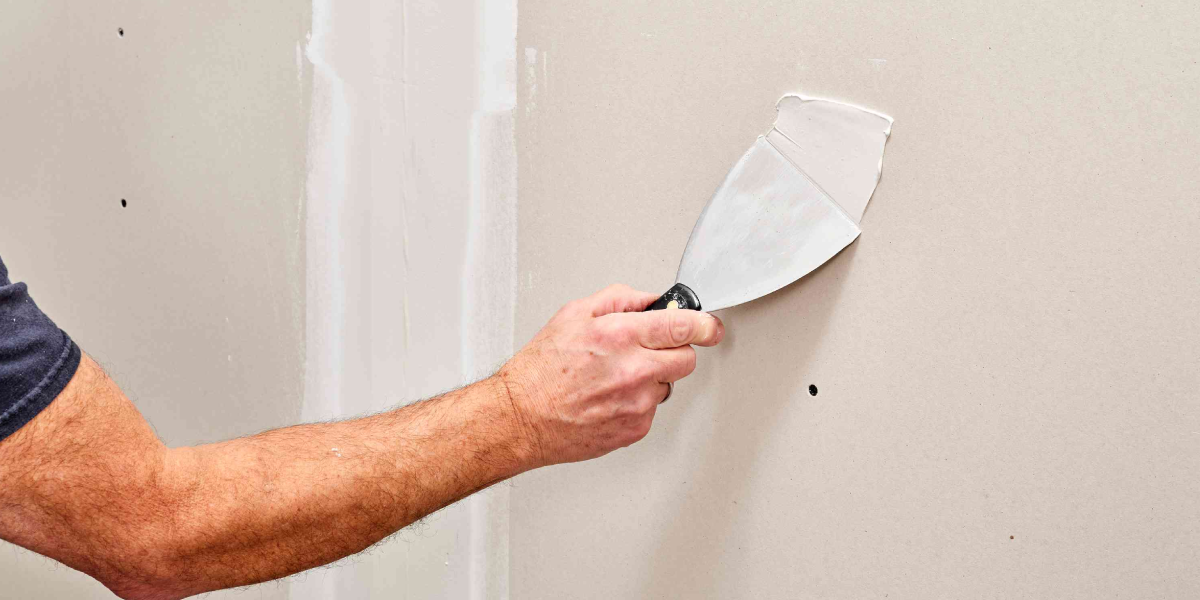
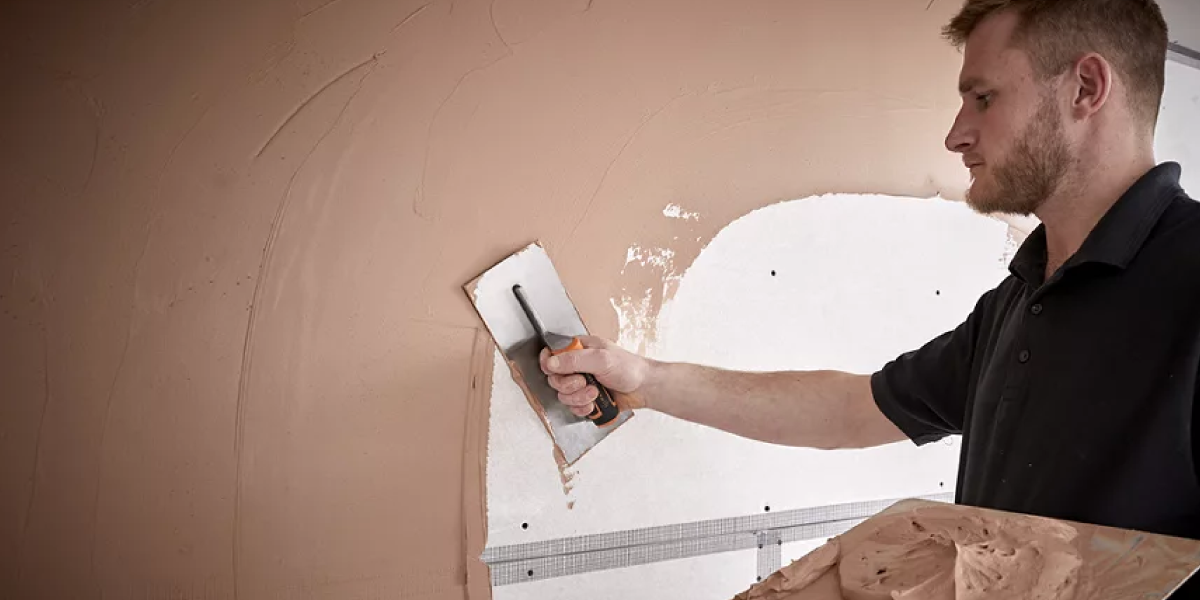
Now, fix anything that’s damaged.


✅ Replace drywall if it’s soft or crumbling.


✅ Refinish wood floors if they start warping.


Repaint and seal walls to protect them from future damage.


Need to remove water fast? Discover what water extraction is and why it’s important.


DIY vs. Professional Repair Costs


Repair Type Average DIY Cost Average Pro Cost
Drywall Repair $50-$200 $500-$1,000
Floor Replacement $200-$500 $1,000-$5,000
Mold Removal $20-$100 $500-$3,000


Seeing water stains on your ceiling? Learn how to handle water damage to a ceiling before it worsens.

Essential Tools and Materials for DIY Water Damage Cleanup


Tool Purpose
Wet-Dry Vacuum Sucks up water from floors and carpets.
Dehumidifier Removes moisture from the air.
Cleaning Solutions Disinfects and removes odors.
Protective Gear Keeps you safe from bacteria and mold.
Sump Pump Drains large amounts of water fast.

Preventive Measures to Avoid Future Water Damage


✅ Check pipes regularly for leaks.


✅ Seal windows and doors to prevent rainwater leaks.


✅ Install water leak detectors to get alerts.


✅ Clean gutters and drains to stop water buildup.

Common Mistakes to Avoid in Water Restoration


Delaying cleanup – Water damage gets worse over time.


Ignoring hidden moisture – Mold can grow behind walls.


Using the wrong cleaners – Some chemicals can make things worse.


Not checking for mold – Even small patches can spread fast.

When to Call a Professional Water Damage Restoration Service

When to Call a Professional Water Damage Restoration Service


Call experts if:


🚨 Water damage covers more than one room.


🚨 Walls, floors, or ceilings are badly damaged.


🚨 Mold keeps coming back even after cleaning.


🚨 The water is from sewage or contaminated sources.


If you’re in a major city like Los Angeles, contact us for water restoration Los Angeles services for emergency help.

Wrapping Up

In short, water damage is stressful, but you can fix small problems yourself! Follow these DIY restoration tips for water damage issues to clean, dry, and repair your home.


✔ Act fast! Mold grows quickly, and repairs get expensive.


✔ Use the right tools. Vacuums, dehumidifiers, and cleaners help a lot.


✔ Call experts if needed. Big damage needs professional help.


👉 Want to avoid water damage? Check your home often and fix leaks early!


FAQs

  • How to repair water damage at home?To fix water damage at home, first, stop the leak and remove standing water. Next, dry everything well using fans and dehumidifiers. Finally, clean, disinfect, and repair any damaged walls, floors, or furniture.
  • What should I do immediately after water damage?First, stop the water source and turn off electricity if needed. Next, remove standing water and take photos for insurance. Then, call your insurance company and a water damage expert for help.
  • How do you dry out a water-damaged house?First, remove all standing water using a pump or wet/dry vacuum. Next, open windows, use fans and run dehumidifiers to dry the air. Finally, check moisture levels and replace anything too damaged to save.
  • What not to do after water damage?Don’t leave wet fabrics, use a regular vacuum or turn on wet electronics. Avoid cleaning heavily damaged items yourself, and don’t ignore mold risks.
    Instead, remove water, air out the space, and call a professional if needed.
Posted on: February 6, 2025

Water Damage Restoration: The Full Guide

Water damage can hit when you least expect it—waking up to a flooded room, a burst pipe, or water seeping through the ceiling is every homeowner’s nightmare. It’s messy, stressful, and can cost a lot if not handled quickly. 


But don’t panic. This guide will walk you through everything you need to know about water damage restoration—


  • how to spot the signs early, 
  • what steps to take immediately, 
  • when to fix it yourself, 
  • and when to call the pros. 


Basically, water damage remediation/ restoration is the process of cleaning, drying, and fixing a place after it’s been damaged by water.


Today, you’ll know exactly how to protect your home, save money, and prevent future disasters.


Key Takeaways:

  • Water damage can happen anytime from leaks, floods, or burst pipes. 
  • Acting fast is key to stopping more damage. 
  • Look for signs like stains, damp smells, or mold. 
  • Small issues you can fix yourself, but big problems need professional help. 
  • Always dry the area properly to prevent mold. 
  • Regular checks and maintenance can help avoid future water damage.

What is Water Damage Restoration?

Water damage remediation/ restoration is the process of:


  • Removing water from your property.


  • Drying and cleaning the affected areas.


  • Repairing any damage caused.


Why Is It Important?


  • Prevents mold growth (which can be harmful to your health).


  • Stops structural damage to your walls, floors, and ceilings.


  • Saves money in the long run.


Common Causes of Water Damage

Here’s a quick table showing the usual suspects:


Cause Description Risk Level
Floods Heavy rain or natural disasters High
Leaking Pipes Slow, unnoticed drips Medium
Burst Pipes Sudden water gushes (often in winter) High
Roof Leaks Damaged shingles or flashing Medium
Appliance Malfunctions Washing machines, dishwashers, etc. Medium
Sewer Backups Dirty water backing into your home Very High

The Impact of Water Damage

Flooded kitchen with water covering the floor, demonstrating the severe impact of water damage in a home


  • Structural Damage:


  • Wood rots.
  • Walls weaken.
  • Floors warp.


  • Health Hazards:


  • Mold and mildew can cause breathing problems.
  • Dampness attracts pests like termites and cockroaches.


  • Financial Costs:


  • Minor repairs: $300 – $1,200


  • Major restorations: $6,000 – $25,000+

These prices can vary based on the extent of the damage, the location, and the specific restoration services needed.

Types of Water Damage

There are three main types of water damage. Each type comes with its own level of risk. Let’s go over them.

Category 1: Clean Water

A person using a wet vacuum to clean up clean water that has flooded a living room.

This comes from clean sources like pipes, faucets, or rainwater. It’s safe at first. If you clean it up quickly, you won’t have to worry. But if you leave it, it can turn bad, especially if mold starts growing.


Category 2: Grey Water

A flooded kitchen floor with grey water, showing the need for clean-up after water damage.

This type comes from things like washing machines, dishwashers, or toilets without sewage. It’s not clean. It might contain chemicals or dirt. If you touch it, you might get sick. Always be careful and clean it up fast.

Category 3: Black Water

Black water flowing from large industrial pipes into a body of water, indicating contamination

This is the most dangerous. It comes from sewage, flooded rivers, or toilets with waste. It’s full of harmful bacteria and can cause serious illness. If you have black water damage, always call professionals. Never try to handle it yourself.

Signs of Water Damage

  • Visible Signs:


  • Water stains on ceilings or walls.


  • Peeling paint or wallpaper.


  • Warped or buckled floors.


  • Hidden Signs:


  • Musty, damp smell.


  • Mold growth in corners or under carpets.


  • Unexpectedly high water bills (could mean hidden leaks).


Pro Tip:


  • Use a moisture meter to check for hidden damp spots.


You can read this informative blog to learn all about the signs of water damage

Water Damage Remediation Process: How Does It Work and Why is It So Important?


Let’s break down the process step by step:


Tools Professionals Use


Tool Purpose
Moisture Meters Detect hidden water.
Dehumidifiers Dry out damp areas.
Air Movers Speed up the drying process.
Submersible Pumps Remove standing water.
HEPA Vacuums Clean mold safely.
Infrared Cameras Find moisture behind walls.


Step 1: Emergency Contact

Two people in a flooded room holding buckets to catch water while the other is calling for emergency help.


The first thing you need to do is call the professionals. The quicker you call, the quicker they can come to help. Time is important in stopping further damage. Don’t wait—call for help as soon as you notice the water damage.


Looking for the best “water damage restoration service near me?”

SOS Restoration is here for you. We fix leaks, remove water, and restore your home fast. We also handle mold and bacteria and repair drywall, floors, and more.  


Available 24,/7, and we handle insurance too!

Step 2: Inspection

Two professionals inspecting a crawl space with visible water damage, discussing possible solutions.

Once the professionals arrive, they will inspect the damage. They will check everything—walls, floors, ceilings, and the area affected. They’ll find out how much water has gotten in and what needs to be fixed. 

This step helps them create a plan for the next steps.

Step 3: Water Removal

A professional using water removal equipment with yellow hoses to extract water from a hardwood floor in a living room.

Now, it’s time to get rid of all the water. The team will use pumps and vacuums to suck up as much water as possible. The sooner this happens, the less likely there will be long-term damage. 

The goal is to remove all visible water and reduce moisture in the area.

Step 4: Drying & Dehumidifying

Blue air movers positioned on a carpeted floor to dry and dehumidify the area after water damage.

Water might still be hiding in the walls, floors, and furniture. Big fans and dehumidifiers will be used to dry everything. These machines pull the moisture out and dry out the air, making sure no water is left to cause mold or rot.

Step 5: Cleaning & Sanitizing

Two workers cleaning and sanitizing a home with professional equipment after water damage

After drying, cleaning is essential. This step helps to stop bacteria and mold from growing. The professionals will clean and sanitize all the surfaces. 

They’ll make sure everything is safe and clean. Mold can spread fast, so this step is super important.

Step 6: Repairs & Restoration

A worker checking equipment in a sports facility as part of the repair and restoration process after water damage

Finally, it’s time to fix the damage. The professionals will do water damage repair or replace things like walls, floors, and any damaged items. 

If furniture or personal items were damaged, they will try to restore them, too. This step brings everything back to normal.

Want to learn the water extraction process in detail? Then, you can check out this informative blog now!

DIY Residential Water Damage Restoration: Can You Do It Yourself?

  • When It’s Possible:


  • Small leaks (like under a sink).


  • Spills that you catch quickly.


  • What You’ll Need:


  • Towels and mops.


  • Fans and dehumidifiers.


  • Cleaning products to prevent mold.


  • When to Call Professionals:


  • Flooding covering more than one room.


  • Sewage backup (don’t risk your health).


  • Mold spreading on walls or ceilings.

Dangers of Delaying Water Damage Remediation

  • Mold Growth: Can start within 24–48 hours.


  • Structural Damage: Wood rots, metal rusts, drywall crumbles.


  • Higher Costs: The longer you wait, the more expensive it gets.


  • Pest Infestations: Damp areas attract insects and rodents.

Preventing Water Damage

Here are some simple tips to keep water damage away:

  • Check your pipes: Look for leaks or cracks. Fix them before they become a bigger problem.


  • Clean your gutters: Keep them clear so water doesn’t overflow and damage your home.


  • Inspect your roof: After storms, check for missing shingles or leaks. A small problem can grow fast.


  • Use water leak detectors: Place them in areas like basements or near appliances. They’ll alert you early if there’s a leak.

Insurance and Water Damage

Does Home Insurance Cover Water Damage?

  • Yes, if it’s sudden (like a burst pipe).


  • No, if it’s due to neglect (like long-term leaks).


How to File a Claim:

  • Document the damage (photos/videos).
  • Contact your insurance company ASAP.
  • Keep receipts for repairs.

Wrapping Up

So, that’s all about the water damage restoration. Water damage can be overwhelming, but acting fast is key to minimizing the damage. Keep an eye out for signs like water stains or mold growth. 

If things get serious, don’t hesitate to call a professional water restoration company. 

With the right knowledge and help, you can tackle it like a pro! ✅


FAQs

  • How much does water damage remediation/ restoration cost? 

    Water damage restoration usually costs about $3,000. It can range from $1,200 to $5,000 depending on how bad the damage is, the type of water (clean, gray, or black), and how much area is affected. In really bad cases, it can go up to $50,000.

  • Can I clean water damage myself? 

    Minor leaks or spills can be cleaned, but for bigger problems like flooding or mold, it’s best to call a pro.

  • What causes water damage? 

    Leaks, burst pipes, roof damage, or flooding from heavy rains can cause water damage.

  • Does homeowners insurance cover water damage? 

    It depends on your policy. Most policies cover sudden leaks or floods but not maintenance issues.

  • How do I prevent water damage in my home? 

    Regularly check pipes, clean gutters, inspect your roof, and use water detectors in high-risk areas to avoid water damage.

  • How long does restoration take? 

    Water damage remediation can take a few days for small problems or weeks, even months, for bigger ones. It depends on how bad the damage is, how much area was affected, and if repairs are needed.
    Small damage usually takes 1-3 days to dry, while big damage may take weeks to fully fix.

  • Is it safe to stay at home during restoration? 

    Sometimes, yes. But if there’s mold or sewage damage, it’s better to stay away.

  • Can water damage cause permanent mold issues? 

    Yes, if it’s not fixed right away, mold can grow and stay.

  • How to cure cold water damage in the house? 

    Address the source of the cold water damage and dry out affected areas using fans, dehumidifiers, and improving ventilation.
    If the damage is severe, consult a professional for repairs and restoration.

Posted on: February 2, 2025

5 Pro Tips on How to Fix Water in Crawl Space Problem

Water in crawl space is a serious problem. It can lead to mold, wood rot, and even attract pests. If left untreated, it can cause expensive structural damage. 


In this guide, we’ll walk you through the causes, immediate fixes, and long-term solutions in the simplest way possible. 


Simply put, to fix water in your crawl space, you have to—-


  • Remove standing water, 
  • fix leaks, 
  • improve drainage, 
  • install a sump pump, 
  • use a vapor barrier, 
  • and keep the crawl space dry with a dehumidifier. 😊


Let’s get into the details of this topic.


Key Takeaways:

  • Water in crawl spaces causes mold, wood rot, and pest problems.
  • Common causes include poor drainage, heavy rain, leaks, and foundation cracks.
  • Quick fixes: Remove standing water, improve airflow, and clean gutters.
  • Best solutions: Install a sump pump, use a vapor barrier, and seal cracks.
  • Prevent future issues by checking drainage, sealing leaks, and using a dehumidifier.
  • Call a professional if the problem keeps coming back or causes serious damage.

Why Water in Crawl Space is a Big Problem

A damp crawl space with visible water damage, showing why water issues are critical for property integrity.


Flooded crawl space can create several issues:


Mold and Mildew – Moisture encourages mold growth, which can cause allergies and bad odors.


Wood Rot – Excess moisture weakens wooden beams and supports.


Pest Infestation – A damp crawl space attracts termites, rodents, and insects.


High Energy Bills – Humid air makes your HVAC system work harder.


Structural Damage – Over time, moisture weakens the foundation and flooring.


Signs of Water in Your Crawl Space


  • Musty smell inside your home


  • Damp or sagging insulation


  • Standing water in the crawl space


  • Increased indoor humidity


  • Warped or damaged wooden beams


If you notice these signs, act fast before the damage worsens.


Want to learn about the signs of water damage in detail? Then, you can check out this insightful blog now!

What Causes Water in Crawl Spaces?

Main Causes of Crawl Space Flooding


Cause Explanation
Poor Drainage Clogged gutters and improper grading allow water to collect near the foundation.
Heavy Rainfall Water can accumulate in the crawl space after heavy rain if drainage is poor.
Leaky Plumbing Pipes Small leaks add moisture over time, causing long-term damage.
High Groundwater Levels Water naturally rises through the soil, seeping into crawl spaces.
Foundation Cracks Even small cracks allow water entry, creating damp conditions.
Condensation from HVAC Poor ventilation increases humidity, causing water buildup.


If you have water pooling in your crawl space, check for these issues first.

Immediate Steps to Take

Below are the steps you must take immediately.


1️⃣ Find the Source of the Water


A person standing on blocks in a waterlogged crawl space, inspecting the source of water damage.

  • Check for leaks in plumbing pipes.


  • Inspect gutters and downspouts for clogs.


  • Look for cracks in the foundation.


2️⃣ Remove Standing Water

Standing water in a crawl space with drainage pipes installed to remove water buildup.


  • Use a sump pump to remove large amounts of water.


  • A wet vacuum can help with smaller puddles.


  • Remove wet insulation and debris from the area.


3️⃣ Improve Ventilation

A crawl space with exposed wooden beams and a pipe, with dry soil visible and space for improved ventilation


  • Open crawl space vents for better airflow.


  • Use fans or a dehumidifier to dry out excess moisture.


4️⃣ Remove Dirt and Mud from the Crawl Space


A person removing dirt and mud from a crawl space, demonstrating cleaning efforts to improve conditions.

  • Shovel out mud and debris left by flooding.


  • Use a rake to level the ground for better drainage.


Taking these steps immediately prevents further damage.

How to Fix Water Issues in the Crawl Space

A flooded crawl space showing damp soil, highlighting the need for water issue solutions.


Here’s how you can fix water issues in your crawl space.


1️⃣ Improve Drainage Around Your Home


Clean gutters and downspouts – Make sure they direct water away from the foundation.


Regrade the soil – Slope the ground away from your home to prevent pooling water.


Install a French drain – A drainage pipe helps channel water away.


2️⃣ Install a Sump Pump System


A sump pump removes water automatically.


Pump Type Best Use
Submersible Pump Works underwater, best for high water levels.
Pedestal Pump Sits above water, lasts longer but noisier.
Battery Backup Pump Keeps working during power outages.


Choose the right one based on how often your crawl space floods.


3️⃣ Encapsulate the Crawl Space

Encapsulation means sealing the crawl space to prevent moisture.


Install a vapor barrier – Covers the ground to block moisture.


Seal foundation cracks – Use waterproof sealants to stop leaks.


Close crawl space vents – Prevents outside humidity from entering.


This method keeps your crawl space dry all year round.


4️⃣ Use a Dehumidifier

A dehumidifier reduces moisture in the air.


Crawl Space Size Recommended Dehumidifier
Small (up to 1,000 sq. ft.) 50-pint dehumidifier
Medium (1,000-2,000 sq. ft.) 70-pint dehumidifier
Large (2,000+ sq. ft.) Industrial-grade dehumidifier


Make sure to empty and clean the dehumidifier regularly.


5️⃣ Fix Plumbing Leaks


  • Check for dripping pipes under sinks and near the foundation.


  • Wrap pipes in insulation to prevent condensation.


  • Replace worn-out or leaking pipes immediately.

How to Prevent Water in Crawl Space Forever

A little maintenance can save you thousands in future wet crawl space repairs!


Here’s how:


Preventive Step Why It’s Important
Regular Inspections Catch small problems before they get worse.
Maintain Landscaping Prevents water from pooling near your home.
Seal Foundation Cracks Stops water from seeping inside.
Monitor Humidity Levels Install moisture sensors to detect rising humidity.


Besides water issues in the crawl space, another concern is the flooded basement. So, here’s the guide to help you out!

When to Call a Professional


Two professionals loading water removal equipment into a red van with SOS Restoration branding.

Signs You Need Expert Help


🚨 Water keeps coming back despite your efforts.


🚨 You see mold growth in the crawl space.


🚨 Wooden beams feel soft or rotten.


🚨 Major foundation cracks are present.


How to Choose a Crawl Space Expert


🔹 Check online reviews and ratings.


🔹 Ask for a detailed waterproofing plan.


🔹 Get multiple quotes before making a decision.


Got water in your crawl space or water damage at home? No worries—SOS Restoration is here to help with Water Damage Restoration!


We fix the damage, clean up the mess, and make your home safe again.


Plus, we handle all the paperwork and talk to your insurance company, so you don’t have to stress. From stopping leaks to removing mold and fixing your space, we take care of everything.


The best part? We’re available 24/7, ready to help anytime you need us! 🚨

Wrapping Up

So, to sum up, water in crawl space is a serious issue, but it’s fixable. Just remove any standing water, improve drainage with gutters, grading, and a sump pump, and seal or encapsulate the space to keep moisture out. 


Using a dehumidifier and checking humidity levels regularly also helps. Regular inspections will also prevent future problems. 


Fixing it now will save you time, money, and stress down the road.


Do you want to get insurance to pay for water damage? Then, you can visit this guide to learn the process.


FAQs

  • Is it Normal to Have a Little Water in My Crawl Space?It’s okay to have a little water in your crawl space if it drains away quickly. But standing water is a problem. If you see water, you need to find out where it’s coming from.Rainwater should not keep getting into your crawl space. That’s a sign something is wrong and needs to be fixed.
  • How serious is water in a crawl space?Water in a crawl space is very serious. It can damage your home’s structure by causing the wood to rot. This weakens the floor above.It also attracts pests like termites and can lead to mold growth, which is bad for your health. That’s why it’s important to fix water issues quickly before they get worse.
  • How do I get rid of water in my crawl space?If you have standing water in your crawl space, you need to remove it first. If there’s a small amount, use a wet vacuum. For more water, use a sump pump.
    After removing the water, run a dehumidifier to lower humidity and stop mold from growing.
  • How long does it take for water to dry in a crawl space?The time it takes for water to dry in a crawl space depends on how much water there is, the size of the space, and the drying method you use.
    If you use professional equipment like big fans and dehumidifiers, it can dry in about 24 hours. But if you use regular household tools, it might take a few days to a week.
  • Who to call for water in a crawl space?Call a plumber to check for leaks. Also, call a water restoration company to remove the water, dry the space, and fix any damage.
  • Is it normal for crawl space to have water after rain?A little water in the crawl space after rain is normal if it drains away fast. But standing water or big puddles are not normal. They could mean there’s a problem with your drainage or foundation.
  • What are the ways to remove dirt from crawl spaces?To remove dirt from a crawl space, use a shop vacuum to suck up the debris. Don’t use water, as it adds moisture. After cleaning, install a vapor barrier to stop dirt from coming back and to keep moisture out.You can also seal any cracks or holes to keep dirt and pests out.
Posted on: February 2, 2025

3 Categories of Water Damage Covered by Homeowners Insurance


Water damage is one of the most common issues property owners face. In fact, it’s the second most frequent type of insurance claim after wind and hail damage. 

But did you know that water damage can be classified into three categories based on how contaminated the water is? These categories of water damage—known as —


  • Clean Water, 
  • Grey Water, 
  • and Black Water


—help determine the risks involved and the steps needed for cleanup.

Knowing these categories can help you understand what your insurance covers and how to act quickly.

Let’s find out more!

Key Takeaways:

  • Water damage is classified into three types/ categories: Clean Water, Grey Water, and Black Water.
  • Homeowners insurance usually covers sudden and accidental water damage, like burst pipes or heavy rain.
  • Gradual damage, neglect, and external flooding are not covered unless you have extra policies like flood insurance.
  • Clean water can turn into Grey or Black Water if left untreated, so act fast.
  • Review your insurance policy and consider adding coverage for things like sewer backups.
  • Staying prepared and fixing issues quickly can save your home and simplify insurance claims.

What are the Categories of Water Damage?

Flooded kitchen floor reflecting furniture and light, symbolizing different water damage classifications

Now, let’s find out the three types or terms for checking water damage you might face in detail.

Category 1: Clean Water (Safe Water)

 Burst pipe spraying clean water, representing safe water sources with minimal contamination

Clean water comes from a sanitary source and doesn’t pose serious health risks. Examples include:

  • Broken water supply pipes
  • Rainwater or melting snow
  • Overflowing sinks or bathtubs (without chemicals or dirt)
  • Leaking toilet tanks

Insurance typically covers water damage from sudden and accidental incidents like a burst pipe or heavy rain. However, it’s important to act quickly. 

If clean water isn’t cleaned up in 24–48 hours, it can become contaminated and turn into Grey Water, which may complicate your claim.

Category 2: Grey Water (Lightly Contaminated)

Stainless steel sink with water droplets around the drain, illustrating lightly contaminated water from household use

Grey water is somewhat dirty and can cause discomfort or illness if touched or ingested. It may come from:

  • Dishwashers or washing machine overflows
  • Toilet overflows (urine only, no solid waste)
  • Leaks from sump pumps or groundwater seepage

Your homeowner’s insurance may cover greywater damage if a sudden and unexpected issue, like an appliance malfunction, causes it. 

Cleaning up Grey Water requires disinfecting and sometimes removing damaged materials, such as carpet padding.

Category 3: Black Water (Highly Contaminated)

Industrial pipes releasing dark, contaminated water into a body of water, indicating hazardous waste

Black water is the most dangerous type. It contains harmful bacteria, chemicals, and toxins. Examples include:

  • Sewage backups
  • Flooding from rivers or streams
  • Seawater or storm surges
  • Stagnant water left untreated

Most homeowners insurance does not include damage from external flooding (like rivers or storms). For that, you’d need separate flood insurance. 

However, sewage backups may be covered if you’ve added an endorsement (extra coverage) to your policy.

Besides, you can check out this informative blog to learn all about the signs of water damage.

What Does Homeowners Insurance Cover?

 Concerned woman holding a bucket to catch water from a ceiling leak while talking on the phone, with a dog sitting beside her

Homeowners insurance usually covers sudden and accidental water damage. Here’s what you need to know:

What’s Covered

  • Burst pipes or plumbing failures.
  • Heavy rain causing damage inside your home.
  • Water damage caused by other covered disasters (like a fire).

What’s Not Covered

  • Gradual damage from leaks or poor maintenance.
  • Flooding from outside, like rising rivers or storms (you’ll need separate flood insurance).
  • Neglect or failure to repair problems in time.

Check your policy from the insurance restoration companies to see if you can add coverage for things such as sewer backups or sump pump failures. These extras save you a lot of money later.

Common Claims and Costs

Water damage claims are one of the top reasons people file homeowners insurance claims.

  • In 2021, water damage caused 23% of all claims.
  • The average claim was around $12,514.

Frozen pipes, toilet overflows, and plumbing failures are the most common causes.

However, watch out for sublimits in your policy. For example, even if your policy covers $300,000 in property damage, water damage might only be capped at $8,000.

Special Coverage for Sewer Backups

Standard homeowners insurance doesn’t cover sewer backups. To protect against this, you can add extra coverage (called a rider) to your policy. This is especially helpful if you live in an area prone to backups.

Why Understanding Water Damage Categories Matters

Copper pipe leaking water from a split section, emphasizing the importance of identifying water damage categories

Knowing the water damage categories can help you explain your situation to your insurance provider. Adjusters use these categories to determine:

  • The severity of the damage
  • Cleanup methods needed
  • Whether your claim will be approved

It also helps you act fast to prevent clean water from turning into Grey or Black Water.

If you’re dealing with water damage, don’t worry—SOS Restoration is here to help! We fix the damage, clean up the mess, and make your home safe again.

We also handle all the paperwork and insurance claims for you, so you don’t have to stress. From stopping leaks to removing mold and repairing your space, we do it all.

And the best part? We’re here for you 24/7, ready to help whenever you need us.

In addition, you can check out this informative blog to learn all about the water extraction process.

Tips to Protect Your Home and Insurance Claim

Workers repairing a damaged roof to prevent leaks and future water damage

  • Fix plumbing issues promptly to avoid leaks.
  • Keep your gutters clean to stop water buildup.
  • Consider adding endorsements for things like sewage backups or sump pump failures.
  • Act fast after water damage—mold can grow quickly and complicate claims.

Be Prepared

Water damage is stressful, but understanding your homeowner’s insurance and the three categories of water damage can make things easier. 

Know what’s covered, stay proactive with home maintenance, and act fast in emergencies. 

This way, you can protect both your home and your peace of mind.


FAQs

  • What are the 4 classes of water damage? 

    The four classes of water damage describe how much damage is done.

    • Class 1 is minimal, affecting a small area with little water absorption. 
    • Class 2 involves more water, soaking carpets, wood, and walls. 
    • Class 3 is severe, with water-soaking ceilings and insulation. 
    • Class 4 is the worst, damaging even water-resistant materials like concrete or brick.
  • What is type 3 water damage? 

    Category 3 water damage, also known as “black water,” is the most hazardous type. It’s heavily contaminated with pathogens, toxins, and bacteria from sources like sewage backups or floodwaters, posing significant health risks.

  • What category is water damage? 

    Water damage is categorized into three main kinds based on the source and level of contamination: Category 1 (clean water), Category 2 (grey water), and Category 3 (black water). These categories determine the potential health risks and the necessary cleanup procedures.

  • What is cat 1 water damage? 

    Category 1 water damage is from a clean source, like a burst water pipe or rainwater. It doesn’t pose an immediate health risk, but can still cause significant property damage if not addressed quickly.

  • What’s the distinction between water damage restoration and repair? 

    Restoration is about making your home clean and safe again, like drying, cleaning, and sanitizing. Repair means fixing things like broken walls or floors.

  • Can I clean up the water damage by myself? 

    Small leaks can be fixed on your own, but bigger problems, especially with dirty or dangerous water, need professionals. Trying to clean it up wrong can make things worse.

  • How do I select a reputable water damage restoration company? 

    Look for companies with certifications (IICRC), experience, positive reviews, and proper licensing and insurance. Get multiple estimates before making a decision.

Posted on: January 27, 2025

Flooded Basement: Reason & Remediation

A flooded basement can be a nightmare for homeowners. It can cause a lot of damage to your home, turning what should be a dry, safe space into a hazardous area. 

Dealing with a flooded basement quickly is super important to avoid long-term problems. 

Let’s talk about why basements flood, what you can do right away, and how to fix and prevent it.

Key Takeaways:

  • Basement flooding is serious. It can damage your home and create long-term issues if not handled quickly.
  • Common causes include storms, poor drainage, broken pipes, and foundation cracks.
  • Act quickly. Turn off the power, assess the situation, and call professionals if needed.
  • Steps to fix it: Remove water, dry the area, clean, repair damages, and sanitize if sewage is involved.
  • Prevent future floods by improving drainage, installing a sump pump, and sealing foundation cracks.
  • Call professionals if flooding is severe or if you can’t fix it yourself.
  • Insurance may cover some flood damage. Check with your policy to know what’s included.

What Causes Basement Flooding?

Infographic listing common causes of basement flooding, such as heavy rain and plumbing issues

Basements can flood for many reasons. Let’s talk about some common causes:

Heavy Rainfall and Storms

Illustration of heavy rainfall and storms causing potential basement flooding

When it rains a lot, the drainage system can get overwhelmed. This can cause floodwater to spill over concrete surfaces like your driveway or basement floor. 

Water starts to seep into the basement through small cracks or openings.

Poor Drainage Systems

Diagram highlighting issues caused by poor drainage systems around a home.

If your drains, gutters, or downspouts are clogged or broken, water can build up around your home. The system can’t carry the rainwater away, which leads to water in the basement.

Sewage Backup

Sewage Backup

Sometimes, blockages in the plumbing can cause wastewater to back up into your basement. This is a serious issue, and you’ll need a flooded basement cleanup to prevent health problems.

Broken Pipes or Leaks

Illustration showing the impact of broken pipes or leaks leading to water damage in a home

Pipes can burst or develop small leaks. These issues can cause water to build up in your basement, leading to costly basement water damage.

Groundwater Seepage

Image showing groundwater seepage entering a basement through walls or floors

Water from the ground can rise through cracks in your foundation. This type of flooding, called groundwater seepage, can be hard to fix without the right tools.

Faulty Sump Pump

Diagram depicting a faulty sump pump and its role in basement flooding

A sump pump helps remove water from your basement. If it breaks or malfunctions, the water can’t be pumped away, and flooding continues.

Snowmelt

Snowmelt

In cold climates, melting snow can cause flooding. When snow melts too fast, it creates a lot of water. If your drainage system can’t keep up, the water can flow into the basement.

Foundation Cracks

Visual representation of foundation cracks and their contribution to water seepage

Cracks in your home’s foundation allow water to seep inside. Over time, these cracks can get bigger and let in more water.

What to Do When Your Basement Floods?

Guide on immediate actions to take when your basement floods

When you first discover that your basement is flooded, it’s important to act fast. 

Here’s what you should do right away:

Safety First

Turn off the power and gas supply. Water and electricity don’t mix! You don’t want to risk getting shocked or causing a fire.

Assess the Situation

Look around and see where the water is coming from. Is it from the rain outside, broken pipes, or a sewer backup? Understanding the cause of the flood is key to fixing it.

Call Professionals (If Necessary)

If the flood is bad or there’s a lot of damage, call a professional. They have the right equipment and experience for basement water removal and flooded basement cleanup.

How to Clean Up and Fix a Flooded Basement

tep-by-step guide on how to clean up and fix a flooded basement.

Once you’ve made sure it’s safe and found where the water is coming from, it’s time to clean up and fix the problem. 

Here’s how:

Water Extraction

Start by removing the water. For water extraction, use a pump or wet vacuum to get rid of it. The faster you remove the water, the less damage your basement will have.

Drying and Dehumidifying

After the water is gone, you need to dry the basement. Use air movers and dehumidifiers to get rid of any leftover moisture. This helps stop mold from growing, which is a common problem after basement water damage.

Cleaning and Sanitizing

A flooded basement is dirty. Clean and disinfect all surfaces, especially if the water comes from sewage. This is a key part of flooded basement cleanup to keep your home safe and healthy.

Repairing Structural Damage

Check for cracks in the walls, foundation, and pipes. Fix them quickly to stop water from coming in again.

Sewer Cleanup (If Needed)

If the flooding involves sewage, clean up carefully. You don’t want harmful bacteria in your home. You’ll probably need professional help for this.

How to Stop Basement Flooding in the Future

Tips and strategies to prevent basement flooding in the future.

Fixing the current issue is great, but let’s make sure it doesn’t happen again. Here’s how you can prevent future flooding:

Improve Your Drainage

Clean your gutters and downspouts often. Make sure they send water away from your home. This simple step helps avoid basement flooding.

Install a Sump Pump

If you don’t have a sump pump, get one. It pumps water out of your basement when it rains too much or snow melts fast. It’s especially helpful if flooding happens often in your area.

Waterproof Your Basement

Seal cracks in the foundation. Add water-resistant coatings to your basement walls. This keeps groundwater from leaking in.

Fix Your Yard’s Slope

Check your yard’s shape. Make sure it slopes away from your house. This stops water from pooling near your basement.

Do Regular Checks

Inspect your foundation and drainage system often. Catch problems early to avoid bigger issues later.

When Should You Call a Professional?

Illustration advising when to call a professional for basement flooding issues.

Sometimes, it’s too much to handle alone. Here’s when to call for help:

When You Need Expert Help

If the water in your basement isn’t going away, or if flooding keeps happening, it’s time to call the pros. Big water damage needs expert tools and experience to fix.

DIY or Call a Pro?

For small problems, you can try fixing things yourself. But if it’s something serious, like sewage backups or foundation cracks, call a professional. It may cost more now, but it saves money later.

If your basement is flooded or you have water damage, don’t worry—SOS Restoration is here to help with Water Damage Restoration! We fix the damage, clean up the mess, and make your home safe again.

We also take care of all the paperwork and deal with your insurance company, so you don’t have to stress. From stopping leaks to getting rid of mold and fixing your space, we handle everything.

The best part? We’re here 24/7, ready to help whenever you need us!

Does Renters Insurance Cover Floods?

Wondering if renters insurance covers basement floods? Some policies do, but not all. Check with your insurance company to know what’s covered. You might need extra flood insurance.

Want to learn about the 3 categories of water damage covered by homeowners insurance? Then, you can check out this informative blog now!

Wrapping Up

A flooded basement is super stressful, but you can handle it with quick action. Fix the problem fast and take steps to prevent future flooding. Plus, keep your drainage system clean. Think about waterproofing your basement. Also, watch for small issues before they get bigger.

Act fast when you see flooding, and follow the right steps to fix it. 

Your home will be safer, and you’ll avoid bigger problems later!


FAQs

  • How often should I inspect my basement for water issues? 

    Inspect at least twice a year, especially after heavy rains or snowmelt, to catch problems early.

  • Does basement waterproofing work for all types of flooding? 

    It helps with groundwater seepage but may not stop major flooding from heavy rain or sewage backups.

  • Can basement flooding affect my health? 

    Yes, standing water can cause mold and bacteria to grow, leading to respiratory issues and allergies.

  • How long does it take to dry a flooded basement? 

    It depends on the extent of flooding but can take anywhere from 1-3 days with proper drying tools.