
When water disrupts your Compton property, knowing what needs attention first can make the next decision clearer.

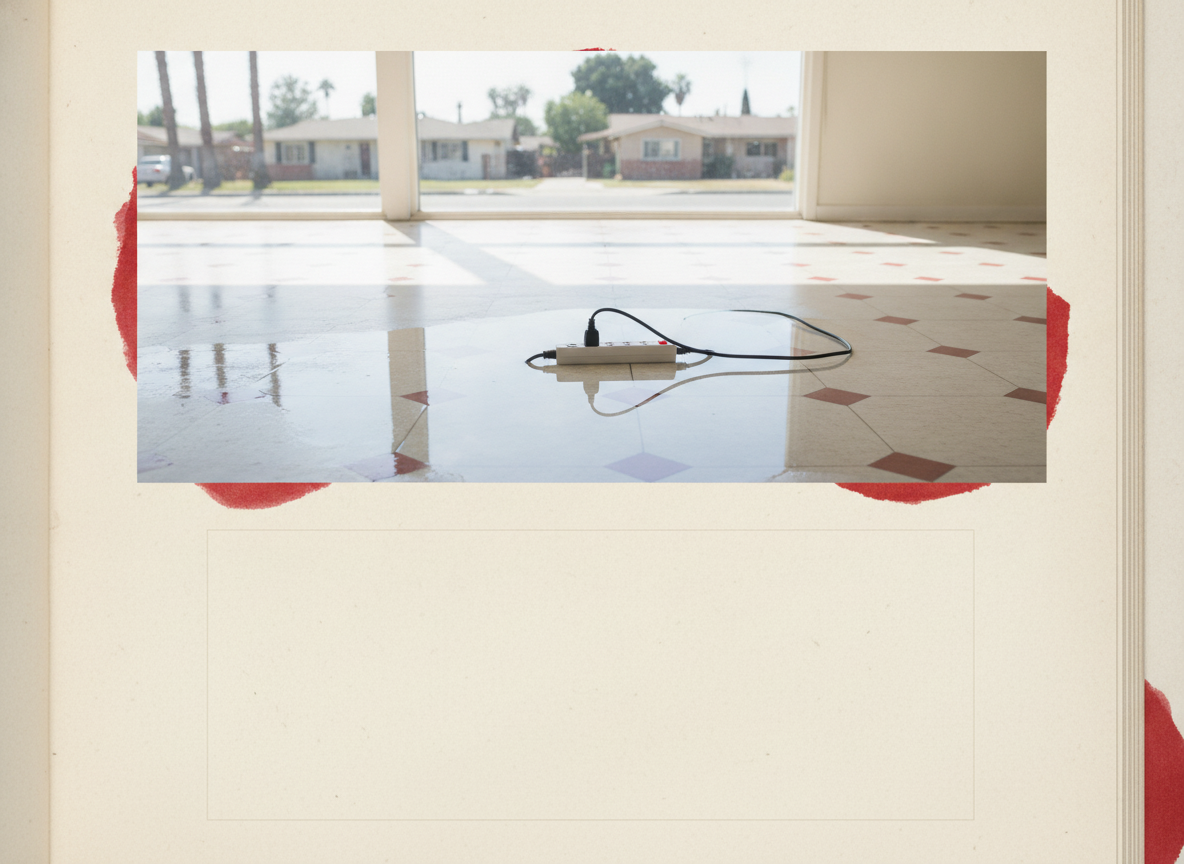
A wet floor or spreading ceiling stain can make it tempting to start moving belongings immediately. First, consider whether the affected space is safe to enter. Standing water near electrical equipment, sagging ceilings and water that may contain sewage are reasons to keep people away rather than attempt cleanup yourself.
If there is immediate danger, contact the appropriate emergency service. Only stop the water source if you can do so safely. Avoid using electrical appliances in wet areas, and do not enter water to reach a switch or breaker.
Move away from affected areas where electrical, structural or contamination hazards may be present.
Take photographs from a safe position and note when you first noticed the problem.
Describe the damage, your Compton location and any continuing water entry or visible hazards.
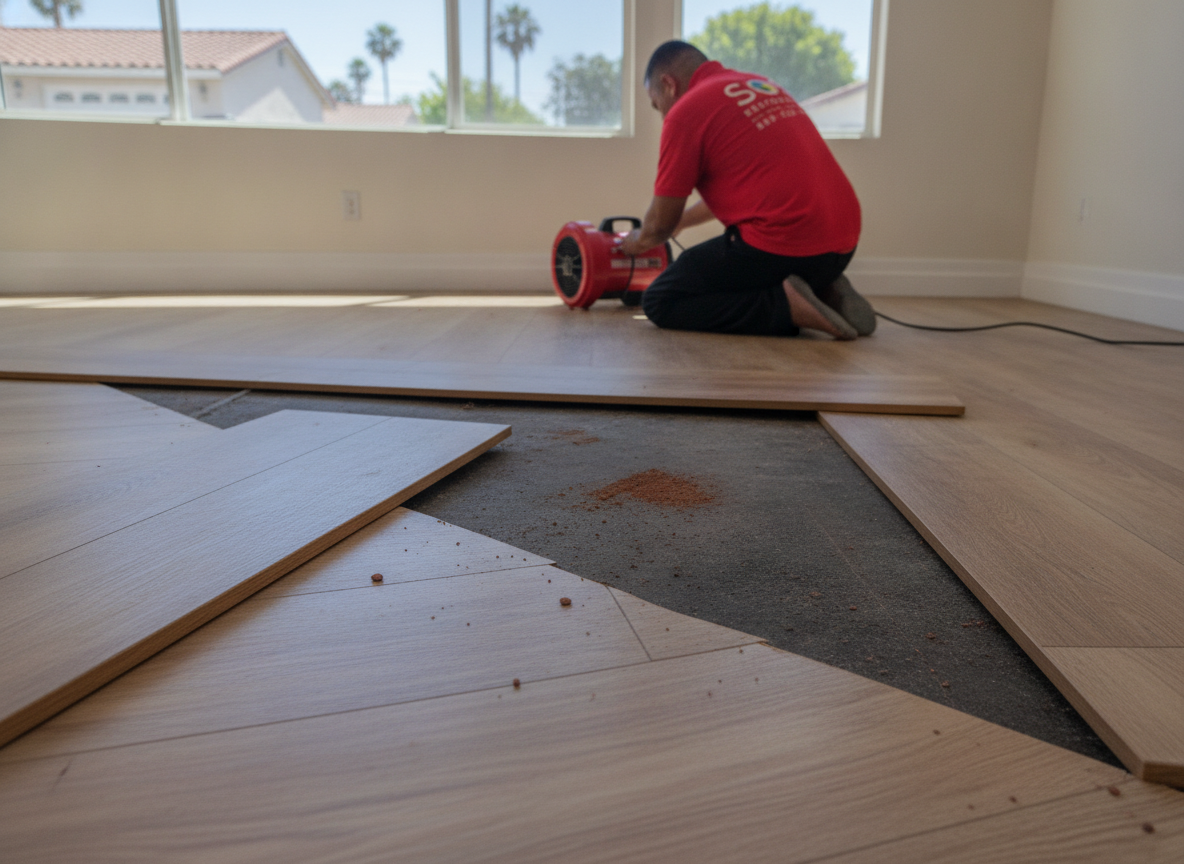
SOS Restoration serves Compton with water damage restoration, including water extraction and structural drying. For someone deciding what help to seek, the important distinction is that removing visible water does not necessarily mean the affected materials are dry.
Water can move beneath flooring and into porous materials. A surface may look better while moisture remains elsewhere. In this kind of work, the extent of the damage, the materials involved and the source of the water all influence what needs attention. Describe both what you see and what happened before it appeared, rather than judging the job by the size of the puddle alone.
For customers in Compton, SOS Restoration provides a point of contact for water damage and a broader range of restoration needs. Its services also include storm damage repair, fire and smoke damage restoration, mold remediation, flood cleanup, emergency board-up, sewage cleanup, smoke odor removal, commercial damage restoration, contents cleaning and restoration, asbestos removal, disaster cleanup and biohazard cleanup.
That range matters when the initial description does not capture the whole problem. When you contact the business, explain whether the damage affects the building, belongings or both. Mention unusual odors, visible discoloration and any uncertainty about the water source without trying to diagnose the issue yourself.
A useful restoration discussion starts with the affected spaces and materials, not an assumption that every wet property needs the same work. Flooring, wall materials and personal contents can present different decisions. Questions about what can be cleaned, dried or restored depend on their condition and the nature of the damage.
Before agreeing to work, ask what is included, what remains to be determined and how any changes in scope will be discussed. If you intend to make an insurance claim, contact your insurer about its documentation requirements and coverage decisions. Keep photographs and relevant records together.
Yes. Compton is part of SOS Restoration’s service area. When you get in touch, provide the property location and a brief description of what happened.
Describe when you noticed the damage, whether water is still entering and which rooms or belongings appear affected. Mention any safety concerns before attempting to inspect further.
No. Visible water and moisture within materials are different concerns. Appearance alone is not a reliable basis for deciding that the drying work is complete.
Yes. Explain how the property is used and which areas are affected so the discussion can focus on your situation.
Take the next step without guessing at the full extent of the damage. Contact SOS Restoration at 888-817-1650 or use the contact form to describe your Compton property and discuss the restoration help you need.