
SOS Restoration provides structural drying in Los Angeles for properties affected by moisture in building materials.
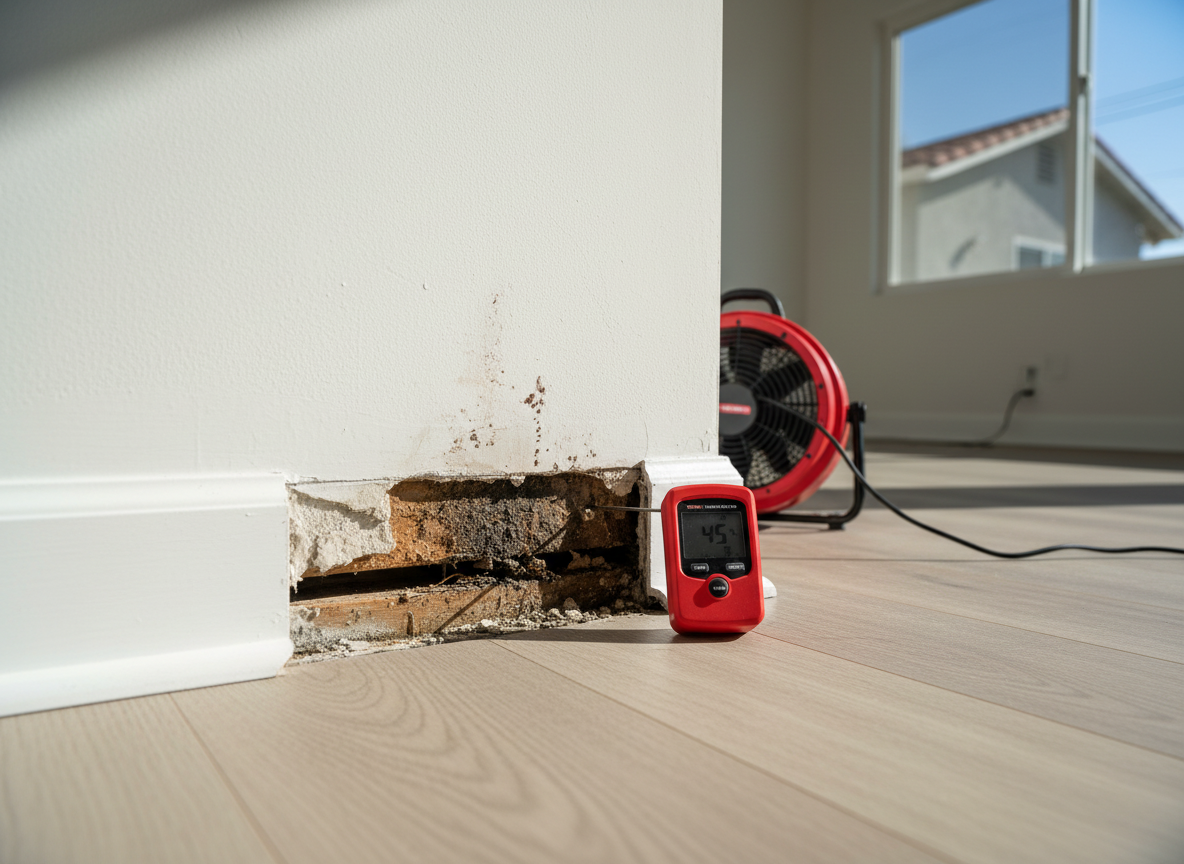
After a water incident, a floor or wall can look dry while moisture remains within the material or behind it. Structural drying addresses moisture held in parts of a building, rather than only water visible on the surface.
This work may be relevant when walls, floors, or other building materials have become wet. The central question is not simply whether the room looks better, but whether the affected materials still hold moisture that needs attention.
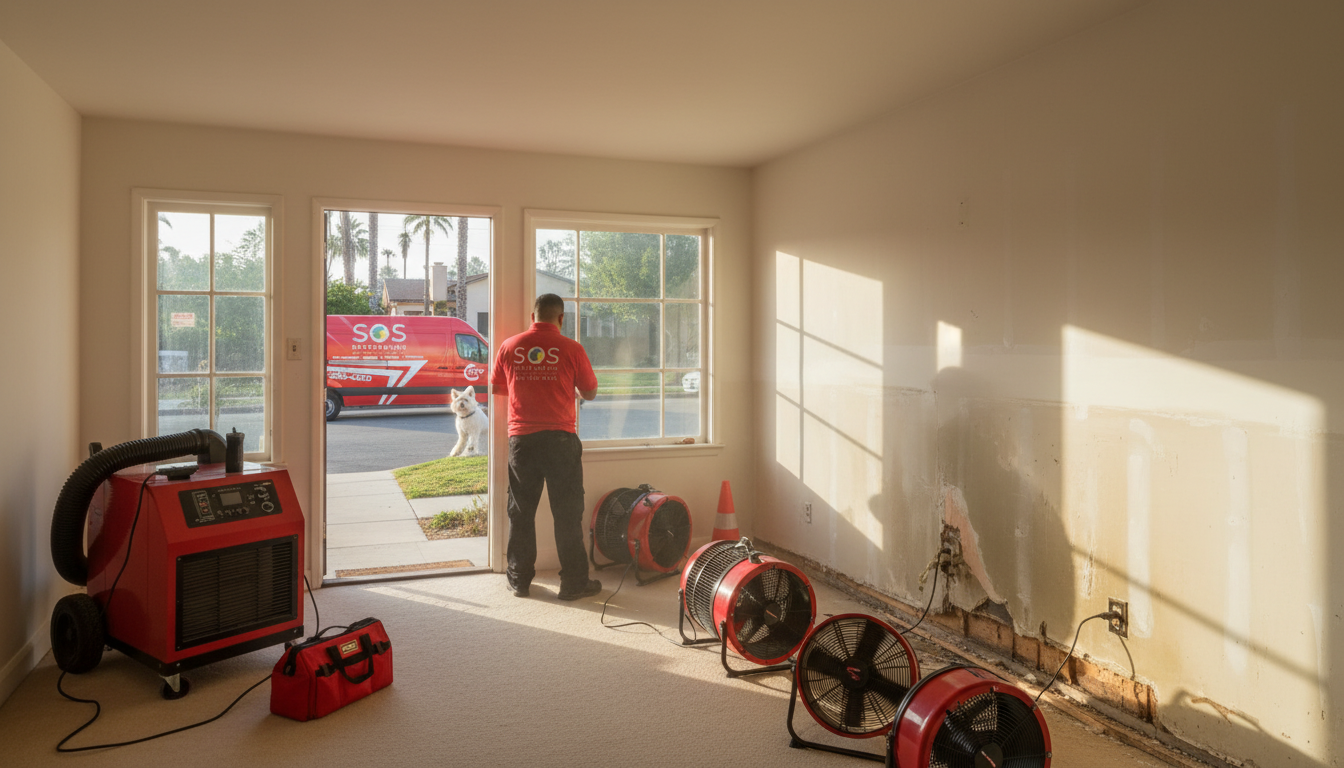
Structural drying generally involves identifying affected materials, creating conditions that allow moisture to leave them, and checking progress. Depending on the situation, drying work may involve moving air, controlling humidity, or making enclosed areas accessible.
Different materials behave differently. Their thickness, construction, and exposure to water can influence how readily they dry. An open surface and an enclosed wall cavity may need different attention, so a drying plan should reflect the actual conditions rather than a fixed schedule.
A typical drying process follows these broad stages; the exact work depends on the property:
Determine where moisture is present and which building materials have been exposed.
Establish whether enclosed spaces or surface coverings affect the ability of materials to dry.
Use methods appropriate to the materials and moisture conditions involved.
Evaluate moisture conditions rather than relying on appearance alone.
Recent water exposure, lingering dampness, staining, swelling, or changes in flooring can be reasons to ask about structural drying. These observations do not establish how extensive the problem is, but they can help explain what happened when you contact a restoration business.
Water can also reach places that are difficult to see. If a surface has dried but you are unsure about what lies underneath or behind it, describe that uncertainty when asking about next steps. Share where the water appeared, when you noticed it, and whether the source is still active.
The amount of moisture, the materials involved, and access to affected areas all influence drying work. Indoor conditions and whether additional water is entering the building also matter. A small visible patch does not necessarily reveal the full extent of moisture exposure.
Before agreeing to work, ask which areas are included, how progress will be evaluated, and what would change the proposed scope. Clarify any access requirements and whether affected rooms can remain in use. These are project-specific questions, not details that can be settled from a general service description.
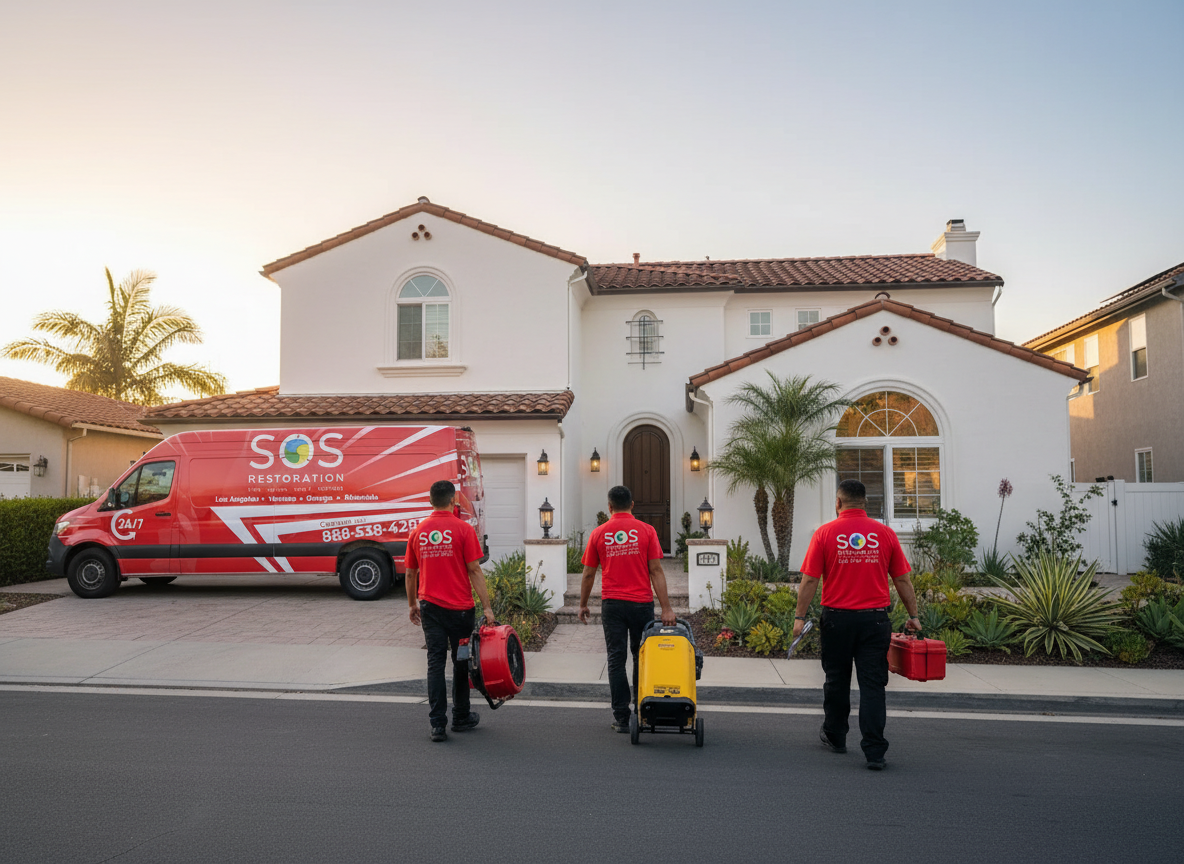
SOS Restoration offers structural drying and serves Los Angeles. The business is open 24 hours a day, seven days a week, so you can reach out about your needs without waiting for standard business hours.
When contacting SOS Restoration, describe the affected area and your concerns. Ask about the proposed approach, availability, and costs for your situation before making a decision. Published operating hours do not establish a particular arrival time or project duration.
Possibly. Surface dryness does not always establish that the material beneath it is dry. Moisture conditions within affected materials are more informative than appearance or touch alone.
There is no single timeline for every property. Materials, moisture levels, access, and surrounding conditions can all affect the duration. Ask for expectations based on your specific situation.
Not in every situation. Access needs depend on where moisture is located and whether the affected materials can dry in place. Ask what access is proposed and why before work begins.
Pricing depends on the scope of the work. Ask which areas and activities the proposed cost covers, and how changes to the scope would be handled.
Contact SOS Restoration at 888-817-1650 or use the contact form. Describe what happened, where you have noticed moisture, and what you need to know before moving forward.