
The most sensible habit is to keep a simple “openings check” routine for your property. Regularly look at accessible windows, exterior doors, frames and other openings, and keep a short response plan with your property information and emergency contacts. This will not prevent every emergency, but it can help you notice visible problems and avoid deciding what to do for the first time when an opening is already damaged.
Emergency board-up is used when a damaged opening needs to be closed. Preparation should focus on two things: noticing signs that deserve attention and knowing what you will do if the damage becomes urgent.
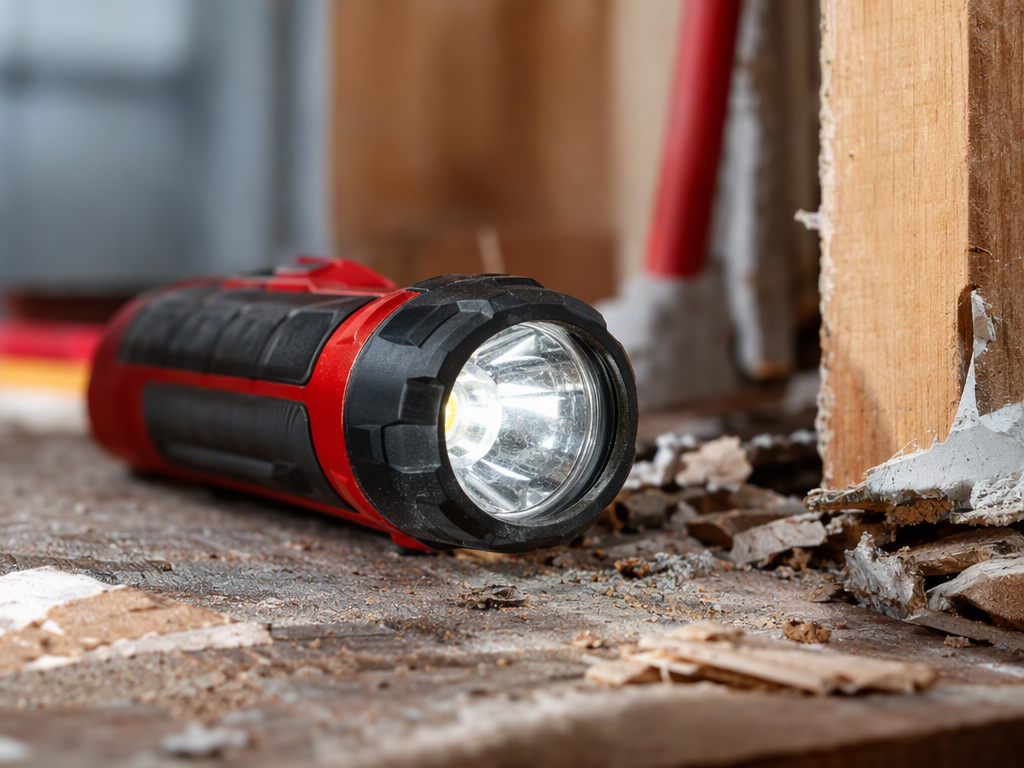
A practical inspection does not need to be complicated. Walk around the accessible parts of the property and examine each exterior opening from a safe position.
Use the same checklist each time:
Do not climb, enter a visibly unsafe area or handle broken material simply to complete the checklist. If an opening cannot be examined safely, note its location and seek appropriate help.
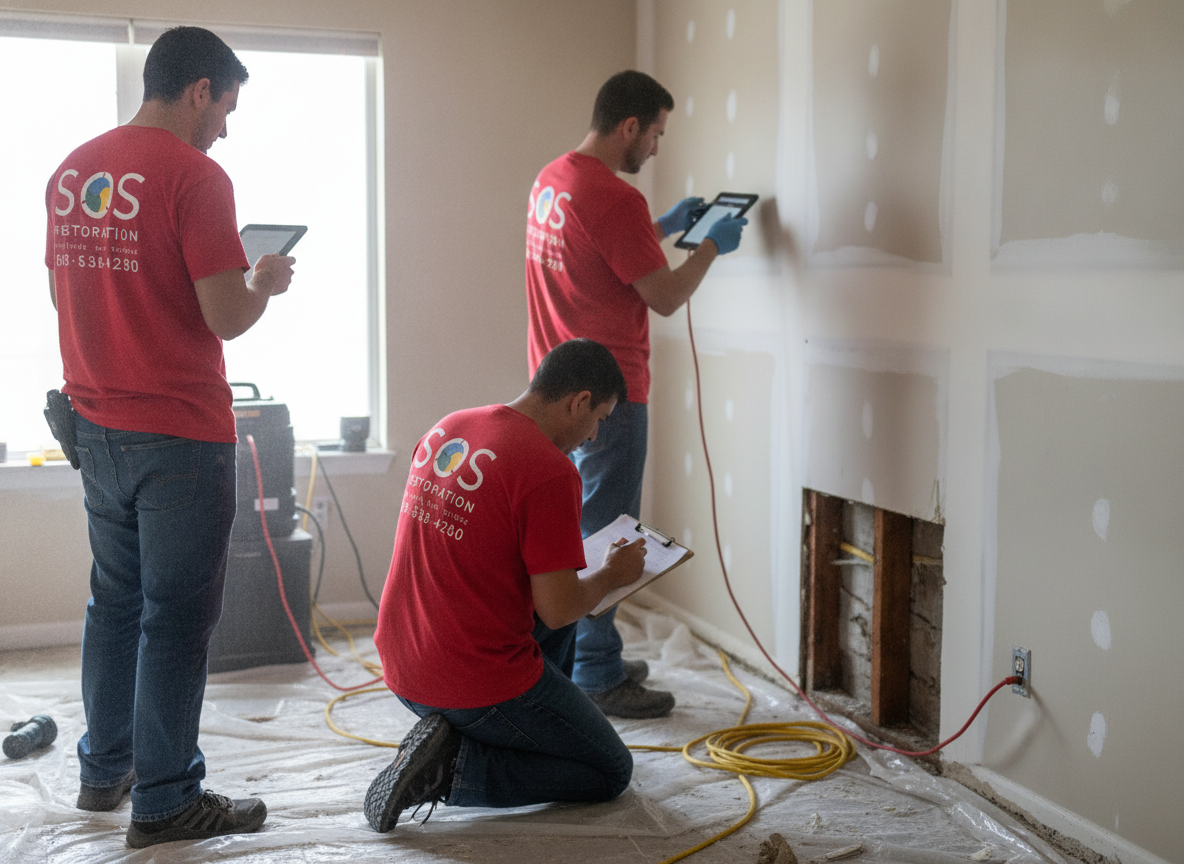
Memory is unreliable when several parts of a property look similar. A written record makes the habit more useful.
For each opening, record:
1. Its location, such as “rear bedroom window” or “east-side exterior door.”
2. The date you checked it.
3. Any visible issue you noticed.
4. Whether the issue appears unchanged or different from the previous check.
5. Whether you arranged further attention.
Clear photographs can also help you compare visible conditions over time. Take them only from a safe place, and do not move broken glass or unstable material for a better picture.
Preparation should include more than looking for damage. Keep a short contact sheet where occupants or property managers can find it.
Include:
If the property has multiple occupants or managers, decide who is responsible for making the call. The purpose is to avoid confusion when prompt decisions are needed.
Keep people and animals away from broken glass, loose material and any area that appears unsafe. If there is an active emergency or immediate threat to life, contact the appropriate emergency service first.
Avoid pushing on a damaged door, pulling at a cracked frame or removing loose pieces. A visual check from a safe position is enough for your initial report.
When requesting emergency board-up, provide the property address and explain where the opening is located. Describe what you can see without guessing about hidden damage.
Useful details include:
Photograph the overall opening and the surrounding visible damage. Avoid close-up photographs that require stepping into debris or reaching through the opening.
Before authorizing work, ask what will be covered, what materials are proposed and whether any later repair will need to be arranged separately. Also request information about price, timing and access requirements for your specific situation.
After emergency board-up, add the opening to your written property record. Note the date, its location and any follow-up questions.
A useful follow-up list may include:
The exact answers depend on the affected opening and the work proposed. SOS Restoration’s recorded information does not specify a standard board material, fastening method, fixed arrival time, price or guarantee. Confirm these details directly for the property involved.
Use this repeatable process:
Check → Record → Prepare → Respond → Follow up
The value of this habit is consistency. A brief, repeatable check and an accessible response plan are more practical than relying on memory during an emergency.
SOS Restoration provides emergency board-up and is open 24 hours a day, seven days a week. Its service area includes Los Angeles County, Orange County, Riverside County, San Bernardino County, Ventura County and Santa Barbara County, along with the listed cities and postcodes within its recorded service area.
To ask about emergency board-up for a specific property, call 888-817-1650 or email info@SOSrestoration.com. Be ready to provide the property address, the location of the damaged opening and safe access information.
Keep a regular openings check and a written response plan. Inspect accessible windows, exterior doors and frames for visible changes, record concerns and keep the property address and emergency contact information ready.
Keep people and animals away from the affected area. If there is an active emergency or immediate threat to life, contact the appropriate emergency service. Do not handle broken or unstable material simply to inspect it.
Provide the property address, your callback information, the location and type of opening, a description of the visible damage and any access instructions. Share photographs only if they can be taken safely.
Do not move broken or unstable material if doing so could place you in danger. Keep the area clear and describe the visible condition when requesting service.
Yes. SOS Restoration’s recorded hours are 24 hours a day, Monday through Sunday.
No standard price or fixed arrival time is included in the available business information. Call 888-817-1650 to discuss the affected property and request current details.
—
Featured image direction: Show a clearly damaged exterior window with broken or missing glass while a solid board is being positioned and secured over the opening. Keep the damaged opening and the protective board-up action as the central subjects. The scene should not imply a specific location.
Suggested alt text: A visibly damaged exterior window being covered with a board during emergency board-up work.