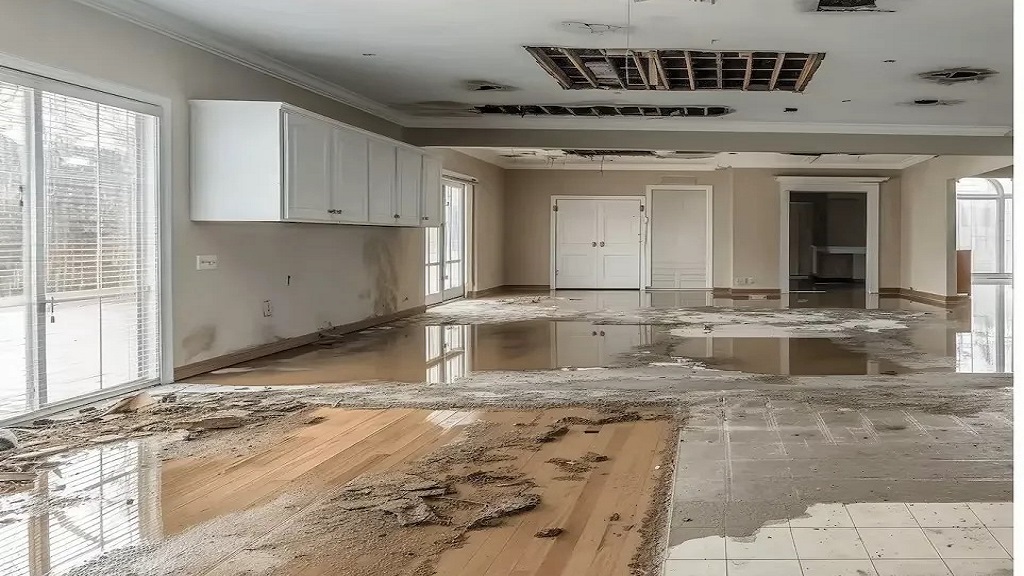
Water damage doesn’t wait for a convenient time. Whether it’s a burst pipe in the middle of the night, a slow leak behind a wall that’s been going on for weeks, or sudden flooding after a heavy storm, the damage begins the moment water makes contact with your home’s surfaces.
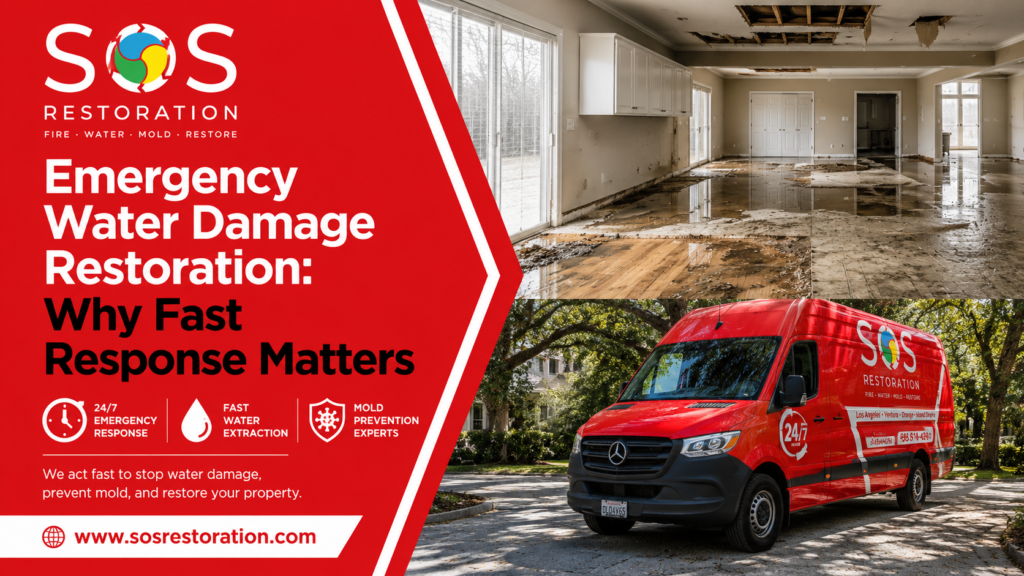
For homeowners dealing with emergency Water Damage Restoration Los Angeles situations, understanding what actually happens during the restoration process, and why timing plays such a central role, can make a real difference in how the situation unfolds. This guide gives you a clear, honest picture of the process: what to expect, what to watch out for, and how to make informed decisions when you’re under pressure.
What Happens to Your Home in the First 24 Hours of Water Damage?
Most people underestimate how quickly water damage escalates. It’s not just about wet floors. Water travels through walls, seeps beneath flooring, gets absorbed into insulation, and creates conditions for mold growth faster than most homeowners realize. Here’s a realistic look at the timeline:
Within Minutes:
- Water spreads horizontally and begins wicking into subfloors, baseboards, and wall cavities
- Drywall absorbs moisture and starts to soften
- Electronics, documents, and valuables in the affected area are at immediate risk
Within 1–4 Hours:
- Wood furniture begins to swell and warp
- Metal surfaces in contact with water start to tarnish
- Dyes in carpets, area rugs, and upholstery begin to bleed and stain surrounding materials
- Moisture moves further behind walls and under flooring, often beyond what’s visible
Within 24–48 Hours:
- Mold and mildew spores, which are naturally present in most indoor environments, can begin to colonize damp surfaces
- Wood framing and structural elements start to weaken if moisture levels remain elevated
- Odors from bacterial activity in standing or absorbed water become noticeable
- Paint bubbles, wallpaper separates, and ceiling materials begin to bow
After 48 Hours:
- Mold growth accelerates and can spread to unaffected areas through HVAC systems and air circulation
- Structural repair costs increase significantly as damage penetrates deeper into building materials
- Health risks rise for occupants, particularly those with respiratory sensitivities or compromised immune systems
- Insurance documentation becomes more complicated as damage compounds
This is why Emergency Water Damage Restoration Los Angeles professionals emphasize immediate response, it’s a direct reflection of how building materials and biology actually work.
What Does a Professional Water Damage Restoration Process Look Like?
A structured restoration process follows a logical sequence. Each step builds on the one before it, and skipping or rushing any phase tends to cause problems later. Here’s how it typically unfolds:
Step 1: Emergency Contact and Initial Assessment
A qualified 24/7 restoration company promptly gathers information on the water source, affected areas, and safety concerns, then dispatches a crew equipped to begin immediate mitigation.
Step 2: Detailed Damage Inspection
Technicians use moisture meters, thermal cameras, and hygrometers to map moisture intrusion, including hidden areas behind walls and under flooring not visible to the naked eye.
Step 3: Water Extraction
Industrial pumps and wet vacuums remove standing water quickly. Prompt extraction is critical, delays make the drying phase longer and less effective.
Step 4: Drying and Dehumidification
High-velocity air movers and commercial dehumidifiers dry out affected materials over three to five days. Moisture levels are monitored daily and equipment is adjusted as needed.
Step 5: Cleaning and Antimicrobial Treatment
Surfaces are cleaned and treated to prevent mold and bacterial growth — especially important in cases involving sewage backup or prolonged standing water.
Step 6: Restoration and Structural Repairs
Damaged drywall, flooring, and insulation are repaired or replaced. This phase returns the property to its condition before the damage occurred.
Understanding Water Damage Categories, Why It Matters
Not all water damage is the same. Restoration professionals classify water damage into three categories, and the category affects everything from the cleanup approach to the protective equipment required:
Category 1 — Clean Water: Originates from a sanitary source, such as a broken supply line or overflowing sink. Poses no immediate health threat, though it can degrade quickly if not addressed promptly.
Category 2 — Gray Water: Contains some level of contamination, such as water from washing machines, dishwashers, or toilet overflow without solid waste. Can cause illness if exposure is prolonged without proper protective measures.
Category 3 — Black Water: Highly contaminated water from sewage backups, flooding from rivers or streams, or water that has been standing long enough to support bacterial growth. Requires full protective equipment and significantly more intensive remediation protocols.
Knowing which category applies helps set realistic expectations about the cleanup process, what materials are likely salvageable, and what level of caution is appropriate while waiting for professionals to arrive.
Why Los Angeles Homes Face Unique Water Damage Risks
Los Angeles isn’t a region most people associate with water damage, the climate is predominantly dry. But LA homeowners face a particular combination of risk factors that make water damage more common than the weather alone would suggest.
Aging plumbing systems are a significant factor, with many properties in neighborhoods like Van Nuys, Reseda, North Hollywood, and Burbank still having original copper or outdated piping vulnerable to leaks.
Irregular rainfall patterns create their own risks. After extended dry periods, soil becomes compacted and loses much of its ability to absorb rainwater efficiently. When heavy rain arrives, often in concentrated bursts during winter months, runoff can overwhelm drainage systems and lead to water intrusion through foundations, crawl spaces, and window wells.
Hillside and canyon properties face elevated exposure to ground-level water movement during rain events. Homes built into slopes may experience water entering from the uphill side, particularly if drainage infrastructure hasn’t been properly maintained.
Multi-unit and attached housing common throughout urban and suburban LA, means that a plumbing failure in one unit can quickly migrate to neighboring units through shared walls, floors, and ceiling systems.
For residents seeking Water Damage Restoration Van Nuys and across the San Fernando Valley, local familiarity with these specific building types and neighborhood-level risk factors can meaningfully shorten response times and improve assessment quality
How to Evaluate a Water Damage Company in Los Angeles
When dealing with an emergency, taking a few minutes to ask the right questions can prevent considerable stress later, especially when insurance claims, contractor coordination, and extended drying periods are involved. Here are the key criteria worth considering when choosing a Water Damage Company Los Angeles:
| Factor | What to Look For |
| Availability | Genuine 24/7 response with live dispatch, not just an answering service |
| Certifications | SOS Restoration is an IICRC-certified company, ensuring adherence to industry best practices |
| Equipment | Commercial-grade extraction, drying, and moisture detection tools |
| Inspection approach | Thermal imaging and moisture mapping, not visual assessment alone |
| Insurance coordination | Experience working with adjusters and producing proper damage documentation |
| Written scope | A documented plan before work begins, not verbal estimates only |
| Local experience | Familiarity with LA neighborhood building types, codes, and common risk factors |
One practical step before signing any work authorization: ask the company to walk you through their moisture mapping process and explain how they’ll confirm that drying is complete before equipment is removed. A thorough restoration team will have a clear, specific answer.
Common Causes of Water Damage in Los Angeles Homes
Knowing the most frequent sources of water damage helps homeowners recognize early warning signs before a minor issue develops into something more serious:
- Burst or leaking supply lines high water pressure combined with aging pipe materials is among the most common culprits in older LA homes
- Appliance failures hoses and connections behind dishwashers, washing machines, and refrigerators are a frequent source of slow leaks that go undetected for extended periods
- Roof and chimney leaks even minor roof damage can allow significant water intrusion during seasonal rain events, particularly in properties with flat or low-slope roofing
- HVAC condensate drain issues clogged drain lines cause water to back up and overflow into ceiling or wall cavities, often without immediately visible signs
- Sewer line backups tree root intrusion and aging sewer infrastructure affect many older LA neighborhoods, with backups typically occurring during or after heavy rain
- Foundation and crawl space intrusion deteriorating waterproofing or poor site drainage allows groundwater to enter, creating persistent moisture problems that are easy to miss until damage is already significant
Early warning signs to watch for: water stains on ceilings or walls, musty odors in enclosed spaces, buckling or warping flooring, and peeling paint along baseboards. These signs often indicate moisture that has been present longer than it appears.
Conclusion
Water damage is one of those situations where decisions made in the first few hours carry disproportionate weight on everything that follows. The gap between a restoration that resolves cleanly and one that drags on for months often comes down to how quickly the response begins, how thoroughly moisture is mapped and extracted, and how carefully the drying process is monitored through to completion.
For homeowners navigating Water Damage Restoration Los Angeles situations, whether a contained appliance leak or a significant flooding event, the core principle holds across all scenarios: acting early and with accurate information consistently leads to better outcomes than a wait-and-see approach.
Understanding the process, knowing what questions to ask, and recognizing early warning signs puts homeowners in a more informed position when these situations arise. It doesn’t eliminate the stress, but it does make it possible to respond clearly rather than reactively.
Frequently Asked Questions
Q1: How quickly should I call after discovering water damage?
Call within the first hour if safe. Earlier extraction means less structural damage and lower repair costs overall.
Q2: Does homeowner’s insurance cover water damage restoration?
Sudden damage like a burst pipe is usually covered. Gradual leaks and storm flooding often require separate policies.
Q3: How long does the full restoration process take?
Extraction takes hours; drying takes 3–5 days. Structural repairs can add one to several weeks depending on scope.
Q4: Can mold grow even if surfaces look dry?
Yes. Building materials hold internal moisture even when the surface feels dry — professional meters are needed to confirm.
Q5: Is it safe to stay home during restoration?
Minor clean-water incidents usually allow it. Sewage-related or large-scale flooding typically warrants temporary relocation.
Q6: What’s the difference between mitigation and restoration?
Mitigation stops further damage through extraction and drying. Restoration is the repair phase that returns the home to pre-loss condition.
Q7: What should I do while waiting for the team to arrive? Shut off the water source, move valuables, document damage with photos, and avoid areas with potential electrical hazards.