
When water damage interrupts your day in Industry, the first decisions are about safety, the affected materials and what needs attention next.
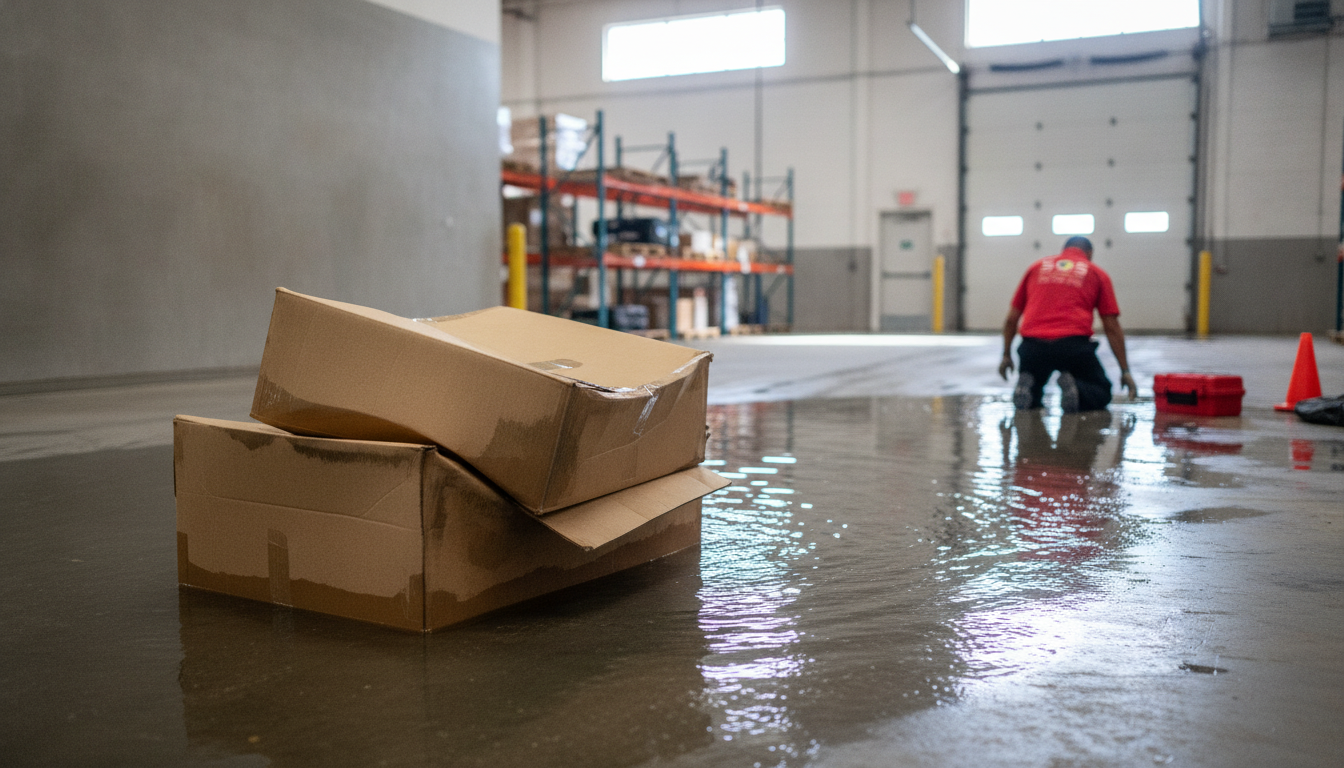

Before entering an affected room, consider whether water, damaged wiring or unstable materials could make it unsafe. Avoid contact with standing water near electrical equipment, and do not enter an area where ceilings or structural materials appear unstable. If there is immediate danger, contact emergency services.
If you can reach the water source safely, stopping it may limit further damage. Do not put yourself at risk to move belongings or begin cleaning. Water that may contain sewage or other contamination calls for different precautions than a small spill from a clean source.
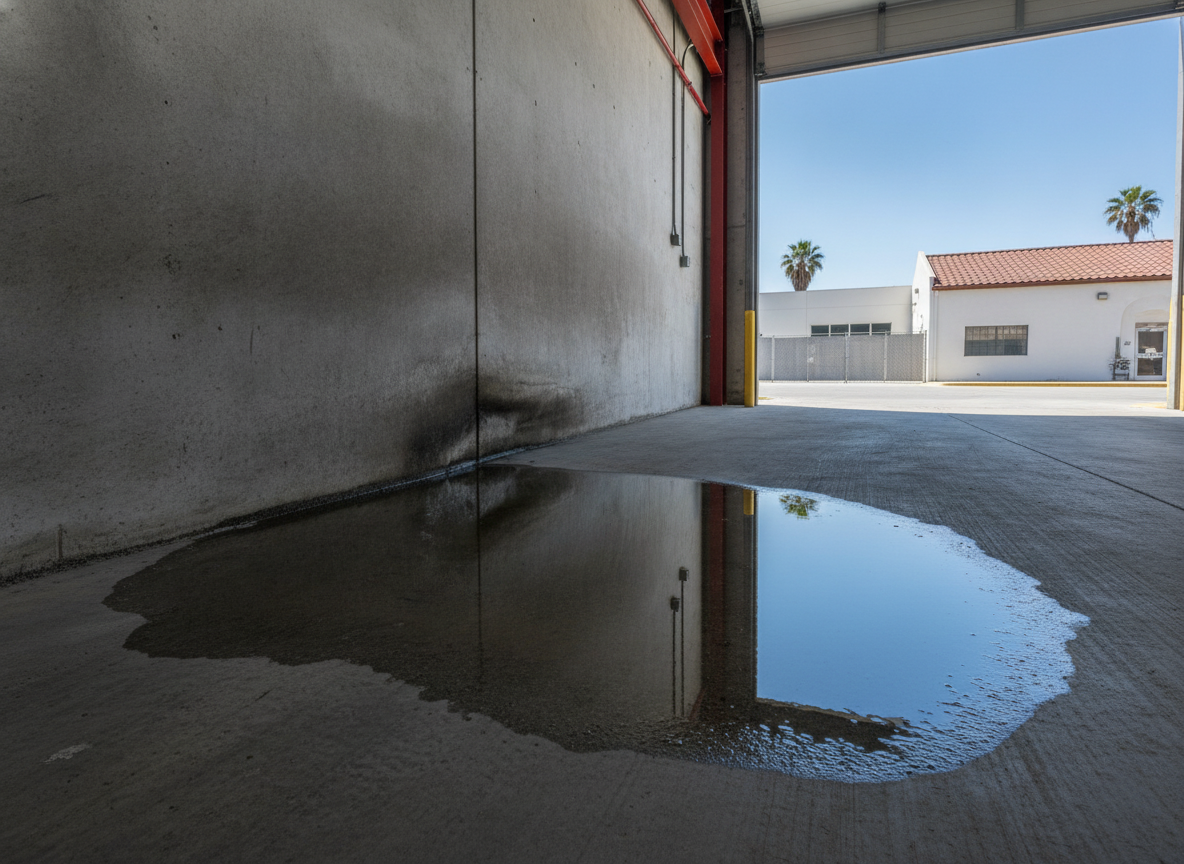
Visible water is only part of the decision. Moisture can remain in flooring, wall materials and other parts of a building after the surface looks dry. The appropriate work depends on where the water travelled, which materials were affected and whether contamination is involved.
SOS Restoration serves Industry with water damage restoration; its services also include water extraction, structural drying and commercial damage restoration. For customers comparing their options, that service range is relevant because removing standing water and addressing moisture within materials are different parts of the same problem.
Drying is not simply a matter of waiting until a room looks normal. Decisions about retaining or removing affected materials depend on their condition, their exposure and whether they can be appropriately cleaned and dried.
You do not need to diagnose the damage yourself. A few observations can help you explain what happened without entering an unsafe space or disturbing affected materials.
Explain what you noticed and when you first became aware of the problem.
Name the rooms or areas involved and describe any visible standing water or damaged materials.
Report suspected contamination, electrical concerns or unstable surfaces without investigating them yourself.
Mention any restrictions that could affect entry to the property or the affected area.
Photographs taken from a safe position may also help you keep a record. Avoid moving through water or handling damaged items just to document them.
A small visible patch does not always reveal the full extent of moisture, while a larger affected area does not by itself determine what can be restored. The source, duration and materials matter more than appearance alone.
For a property in Industry, choosing SOS Restoration means contacting a business that includes Industry in its service area and provides services relevant to water-related damage. When you call, explain your immediate concern and ask what information is needed to discuss the next step.
Yes. Industry is part of SOS Restoration’s service area. Contact the business to discuss the damage at your property and your service needs.
No. Surface appearance alone does not establish whether moisture remains within affected materials. The need for further drying depends on the materials and the extent of exposure.
Keep safety first. Do not handle items exposed to suspected contamination or electrical hazards. Describe the affected belongings when you call, and ask about appropriate next steps before discarding or moving them.
The scope and duration depend on the source of the damage, the affected materials and the work required. Describe your situation when contacting SOS Restoration rather than planning around a general estimate.
Contact SOS Restoration at 888-817-1650 to discuss water damage at your Industry property. Explain what happened, what you can safely observe and which areas are affected.