
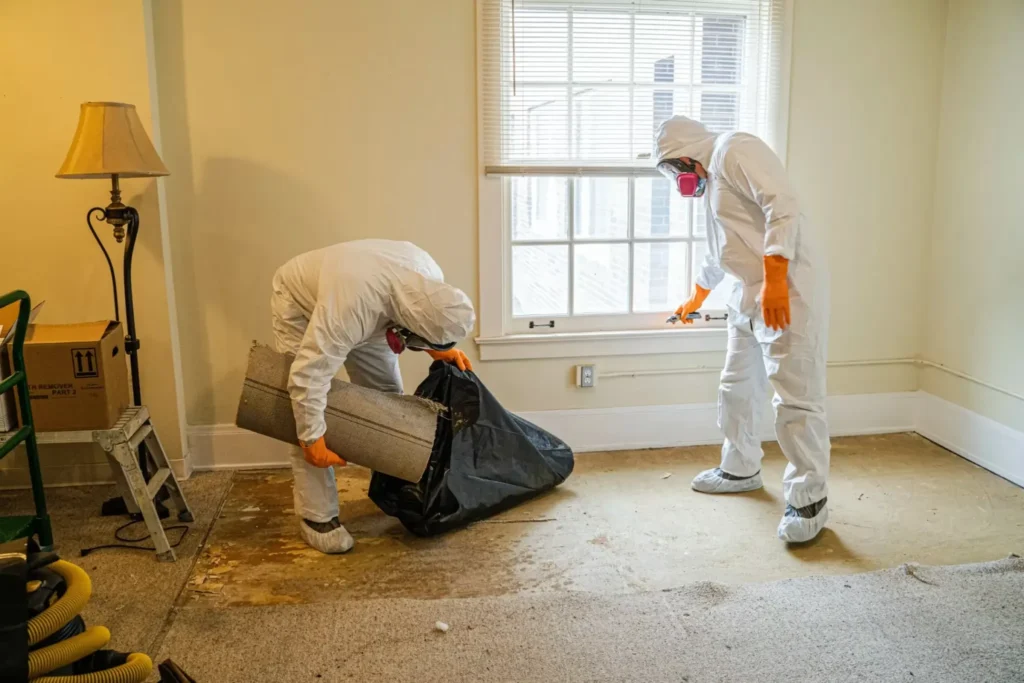
Mold can become a serious concern when it develops after water damage, plumbing leaks, roof issues, or excess indoor humidity. In many cases, mold spreads quickly and may affect indoor air quality, building materials, and overall property conditions. Understanding how to respond during a mold emergency can help minimize damage and support a safer environment for your family or business.
If you are dealing with a sudden mold issue, knowing the right steps to take before professional help arrives can make a significant difference. This guide explains how to handle Emergency Mold Removal Woodland Hills, CA situations, what causes rapid mold growth, and when professional assistance is recommended.
Understanding Mold Emergencies
Not every mold issue is considered an emergency. However, certain situations require immediate attention, including:
- Mold growth following flooding or water damage
- Strong musty odors spreading throughout the property
- Visible mold covering large areas
- Mold affecting HVAC systems
- Water intrusion behind walls or ceilings
- Mold growth in homes with children, seniors, or individuals with respiratory sensitivities
Because mold can begin developing within 24 to 48 hours after moisture exposure, fast action is essential.
Common Causes of Mold Growth in Woodland Hills Homes
Woodland Hills properties can experience mold growth for several reasons. Some of the most common include:
Plumbing Leaks
Hidden leaks beneath sinks, behind walls, or under flooring often create ideal conditions for mold development.
Roof Damage
Damaged roofing materials may allow moisture to enter attics and ceiling cavities, encouraging mold growth.
Water Damage Incidents
Burst pipes, appliance failures, and storm-related flooding frequently create moisture conditions that support mold growth.
Poor Ventilation
Bathrooms, laundry rooms, and kitchens with inadequate airflow often experience excess humidity.
HVAC Moisture Problems
Condensation buildup around HVAC systems can contribute to mold growth if not properly managed.
First Steps During an Emergency Mold Situation
1. Identify the Source of Moisture
The first priority is stopping the moisture source. Mold cannot continue growing without water.
Possible sources include:
- Leaking pipes
- Roof leaks
- Appliance malfunctions
- Flooding
- Condensation issues
Addressing the moisture source helps prevent further contamination.
2. Protect Occupants
If mold is extensive, limit access to affected areas.
Consider:
- Keeping children and pets away
- Closing doors to contaminated rooms
- Avoiding disturbance of visible mold growth
- Improving ventilation where possible
3. Avoid DIY Removal of Large Mold Areas
Small surface spots may sometimes be cleaned safely, but extensive mold contamination often requires professional evaluation.
Improper cleaning can:
- Spread mold spores
- Increase airborne contamination
- Miss hidden mold behind walls
- Lead to recurring growth
4. Reduce Indoor Humidity
Humidity control plays a critical role in slowing mold growth.
Helpful measures include:
- Using dehumidifiers
- Running exhaust fans
- Increasing airflow
- Removing standing water
Maintaining indoor humidity below recommended levels can help reduce mold activity.
Why Professional Mold Removal Is Important
While some minor mold issues appear manageable, hidden contamination is often difficult to detect without specialized equipment.
Professional Mold Removal Woodland Hills, CA services typically include:
- Moisture detection
- Mold inspection
- Containment procedures
- Air quality considerations
- Removal of contaminated materials
- Surface cleaning and treatment
- Drying and moisture control
These steps help address both visible and hidden mold concerns.
The Mold Remediation Process
Professional Mold Remediation Woodland Hills, CA services generally follow a structured approach.
Inspection and Assessment
Technicians evaluate:
- Visible mold growth
- Moisture sources
- Affected materials
- Potential spread patterns
Containment
Containment barriers may be used to prevent spores from spreading to unaffected areas.
Air Filtration
Professional-grade filtration equipment helps capture airborne particles during remediation.
Mold Removal
Depending on the situation, affected materials may be cleaned, treated, or removed.
Drying and Moisture Control
Proper drying helps prevent future mold growth.
Final Verification
The property is assessed to ensure remediation goals have been achieved.
Signs You Need Immediate Mold Removal Services
Certain warning signs indicate the need for prompt Mold Removal Services Woodland Hills assistance:
Persistent Musty Odors
A lingering musty smell often indicates hidden mold growth.
Discoloration on Walls or Ceilings
Dark, green, black, or brown staining may signal moisture-related contamination.
Water Damage History
Previous flooding or leaks can create hidden mold problems even after surfaces appear dry.
Peeling Paint or Bubbling Drywall
Moisture trapped behind surfaces may encourage mold development.
Recurring Mold Growth
If mold repeatedly returns after cleaning, a deeper moisture issue may exist.
Preventing Future Mold Problems
Preventative maintenance can significantly reduce the likelihood of future mold emergencies.
Address Leaks Quickly
Even small leaks should be repaired promptly.
Improve Ventilation
Use exhaust fans and maintain proper airflow throughout the property.
Monitor Humidity Levels
Indoor humidity should be managed consistently.
Maintain Roofing and Plumbing Systems
Regular inspections can help identify potential moisture issues before they become larger problems.
Schedule Professional Inspections After Water Damage
Any significant water intrusion event should be evaluated to identify hidden moisture concerns.
Choosing a Mold Removal Professional
When selecting a provider for emergency mold services, consider:
- Industry experience
- Proper licensing and insurance
- Moisture detection capabilities
- Detailed inspection processes
- Transparent communication
- Proven remediation procedures
A professional approach helps ensure the mold issue is addressed thoroughly rather than temporarily covered up.
Final Thoughts
Responding quickly to a mold emergency can help protect your property and reduce the risk of further damage. Whether mold develops after flooding, a plumbing leak, or excess humidity, immediate action is essential. Identifying the moisture source, limiting exposure, and seeking professional assistance when needed are key steps toward restoring a clean and healthy indoor environment.
For homeowners and property managers, understanding the fundamentals of Emergency Mold Removal Woodland Hills, CA can make all the difference when unexpected mold problems arise. A timely response combined with proper remediation practices helps create a safer and healthier space for everyone.
Frequently Asked Questions
1. How quickly can mold grow after water damage?
Mold can begin developing within 24 to 48 hours when moisture is present and conditions are favorable.
2. Is mold always visible?
No. Mold can grow behind walls, beneath flooring, inside ceilings, and within HVAC systems where it may not be immediately visible.
3. Can I remove mold myself?
Small surface mold may sometimes be cleaned safely, but larger or recurring mold issues often require professional remediation to address hidden contamination.
4. What causes mold to return after cleaning?
Mold often returns when the underlying moisture source has not been fully resolved.
5. When should I call a professional mold remediation company?
Professional help is recommended when mold covers a large area, returns repeatedly, follows water damage, or affects indoor air quality.