Water damage can happen when you least expect it. Whether it’s caused by a burst pipe, appliance leak, roof damage, or severe weather, water can quickly affect your home’s structure, belongings, and indoor environment. Understanding the restoration process can help homeowners take the right steps to minimize damage and restore their property efficiently.
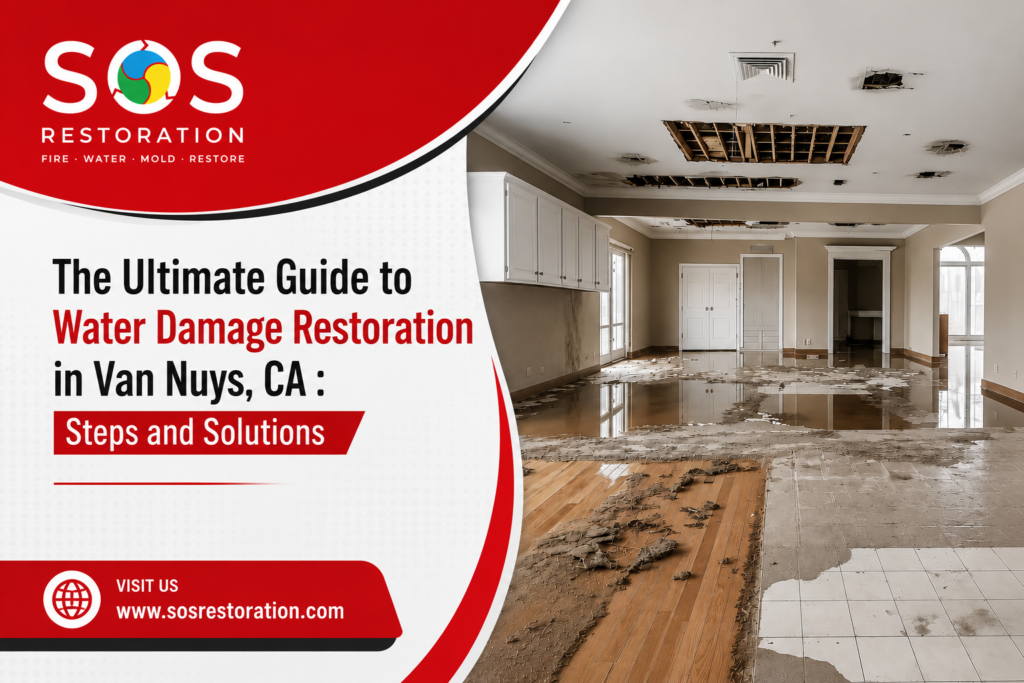
This guide explains the key stages of Water Damage Restoration Service Van Nuys, CA, common challenges property owners face, and how professional restoration services help return homes and businesses to a safe condition.
Understanding Water Damage and Its Risks
Water damage is more than just wet floors or damp walls. If not addressed quickly, excess moisture can spread throughout a property and lead to additional problems, including structural deterioration and mold growth.
Common causes of water damage include:
- Burst or leaking pipes
- Roof leaks
- Overflowing sinks, bathtubs, or toilets
- Appliance malfunctions
- HVAC system leaks
- Storm-related flooding
- Sewage backups
Prompt action is critical because water can begin affecting building materials within hours.
Step 1: Emergency Response and Damage Assessment
The first step in the restoration process is a thorough inspection of the affected property.
Restoration professionals typically evaluate:
- The source of water intrusion
- Areas affected by moisture
- Structural concerns
- Potential safety hazards
- The extent of property damage
A detailed assessment helps create an effective restoration plan tailored to the property’s needs.
Step 2: Water Extraction
Removing standing water is one of the most important parts of the restoration process.
Professional teams use specialized extraction equipment to remove water from:
- Flooring
- Carpets
- Basements
- Crawl spaces
- Interior living areas
Fast water removal helps reduce the risk of further damage and speeds up the overall recovery process.
Step 3: Drying and Dehumidification
Even after visible water has been removed, moisture can remain trapped inside walls, ceilings, flooring, and insulation.
Professional drying equipment may include:
- Industrial air movers
- Dehumidifiers
- Moisture detection tools
- Air circulation systems
Monitoring moisture levels throughout the drying phase helps ensure the property is thoroughly dried before repairs begin.
Step 4: Cleaning and Sanitization
Water damage can introduce contaminants, odors, and bacteria into the home.
Cleaning procedures may include:
- Surface sanitization
- Odor removal
- Carpet cleaning
- Content cleaning
- Antimicrobial treatments
This step helps create a cleaner and healthier indoor environment following water damage.
Step 5: Mold Prevention and Remediation
One of the biggest concerns after water damage is mold growth. Mold can begin developing within a relatively short period when moisture remains present.
Professional restoration teams often implement mold prevention measures as part of the drying process. If mold is already present, Mold Remediation Los Angeles services may be necessary to safely address contamination and restore indoor air quality.
Signs that mold may be developing include:
- Musty odors
- Visible discoloration
- Increased allergy symptoms
- Damp or humid areas
Early intervention can help prevent more extensive remediation needs later.
Step 6: Repair and Restoration
Once the property is clean and dry, the rebuilding phase begins.
Depending on the extent of damage, restoration work may include:
- Drywall replacement
- Flooring repairs
- Painting and finishing
- Cabinet restoration
- Baseboard replacement
- Structural repairs
The goal is to return the property to its pre-loss condition while addressing any damage caused by water intrusion.
Why Professional Water Damage Restoration Matters
Many homeowners underestimate the amount of hidden moisture that can remain after a water loss.
Professional Water Damage Restoration Services Los Angeles provide several advantages:
- Faster water removal
- Advanced moisture detection
- Thorough drying procedures
- Mold prevention strategies
- Property damage mitigation
- Professional documentation for insurance claims
These services help reduce long-term risks and improve restoration outcomes.
Choosing the Right Restoration Partner
Selecting an experienced Restoration Company Los Angeles can make a significant difference in the restoration process.
When evaluating a restoration provider, consider:
- Industry experience
- Emergency response availability
- Restoration capabilities
- Certified technicians
- Customer reviews
- Insurance claim assistance
A qualified restoration company can guide property owners through every stage of recovery.
Tips to Prevent Future Water Damage
While not every water loss can be prevented, homeowners can reduce their risk by taking proactive steps.
Consider these preventive measures:
- Inspect plumbing regularly
- Repair leaks promptly
- Maintain roofing systems
- Clean gutters and downspouts
- Monitor appliance connections
- Install water leak detection devices
- Address drainage issues around the property
Routine maintenance can help identify potential problems before they become costly emergencies.
Final Thoughts
Water damage can be stressful, but understanding the restoration process helps homeowners respond quickly and effectively. From emergency water extraction and drying to repairs and mold prevention, each stage plays an important role in protecting the property and restoring normalcy.
Professional Water Damage Restoration Service Van Nuys, CA providers have the tools, expertise, and resources needed to address water damage thoroughly while helping reduce the risk of future complications. Taking action quickly is one of the most important steps in preserving your property and minimizing repair costs.
Frequently Asked Questions
1. How quickly should water damage be addressed?
Water damage should be addressed as soon as possible. Prompt action helps reduce structural damage, moisture buildup, and mold growth.
2. Can water damage lead to mold growth?
Yes. Excess moisture can create ideal conditions for mold development, which is why drying and remediation are important parts of the restoration process.
3. What equipment is used during water damage restoration?
Professionals commonly use water extractors, air movers, dehumidifiers, moisture meters, and air filtration equipment.
4. How long does water damage restoration take?
The timeline depends on the severity of the damage, the amount of moisture present, and the repairs required. Some projects may take a few days, while larger losses can take longer.
5. Why hire a professional restoration company?
Professional restoration teams have specialized equipment, training, and experience to properly remove water, dry affected areas, prevent mold growth, and restore damaged materials.