
- ✓ Open 24 hours, 7 days a week
- ✓ Serving Los Angeles County, Orange County, Riverside County and 195 more areas
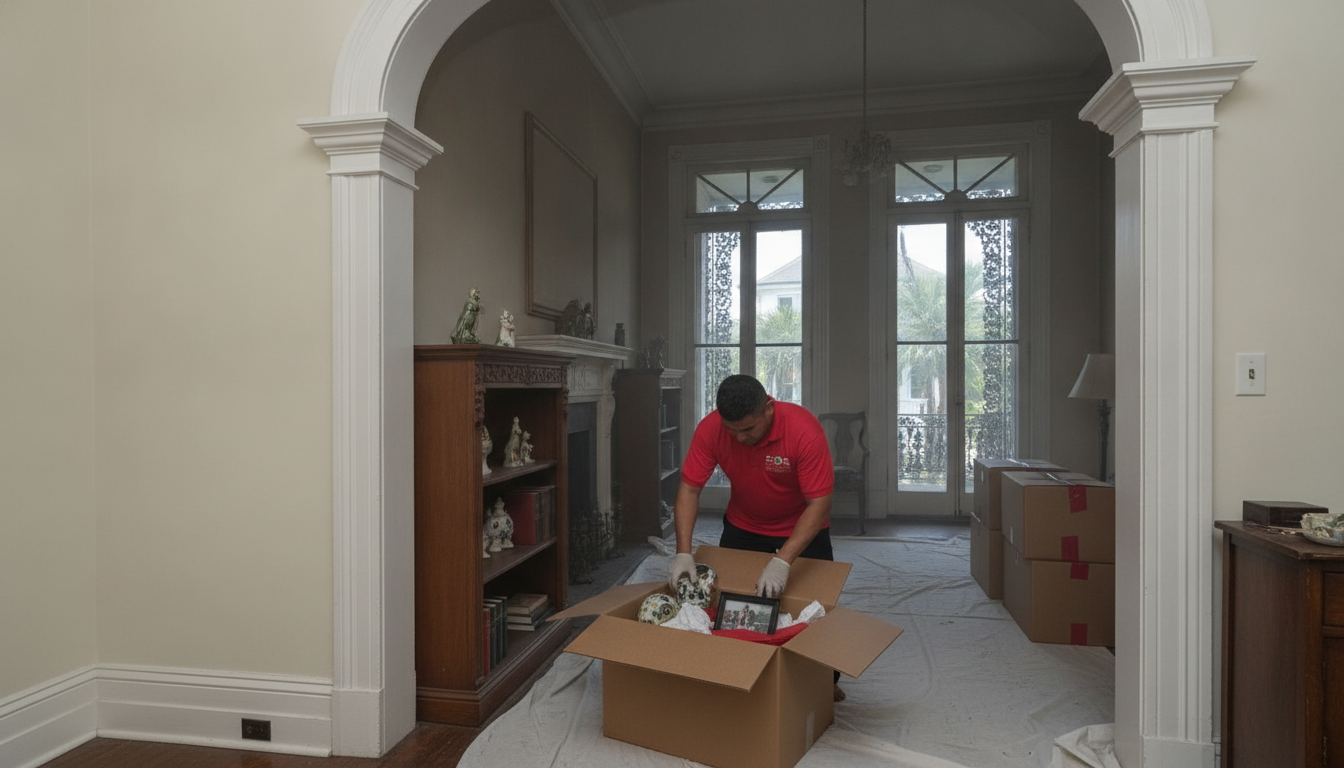
For contents restoration, think of inventory and pack-out as two linked tasks: recording belongings and organizing their removal from the affected space. Ask for a plan that connects each item or grouped set to its original location, recorded condition, and destination. Before approving a move, discuss what should leave, what should stay, and how you will identify your belongings afterward.
Start with what should move—and what should stay
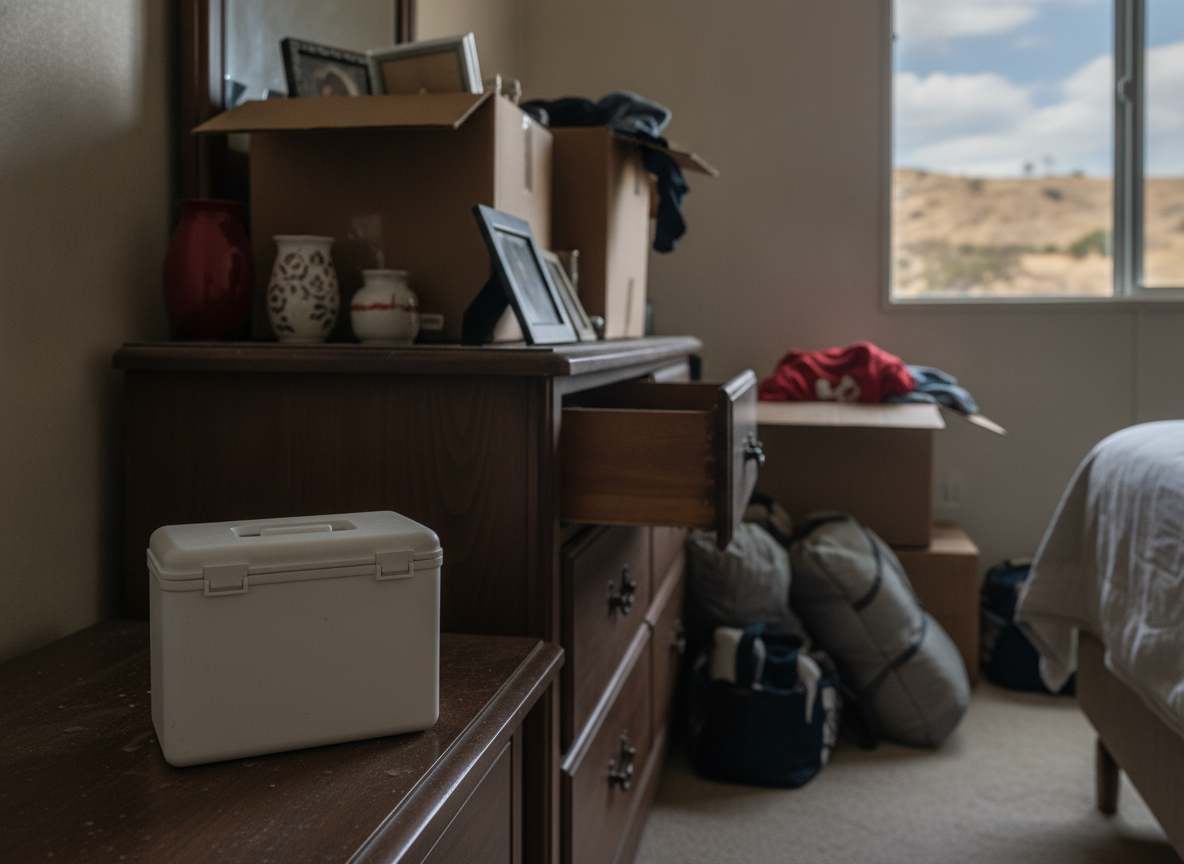
Begin the conversation with the belongings themselves, rather than the number of boxes. Point out the affected rooms, identify items you need access to, and explain which possessions have particular personal importance. Ask whether removal is proposed for each area and what the proposed work involves before agreeing to a pack-out.
Separate your immediate needs from the restoration discussion. Consider medication, identification, work materials, school essentials, and other belongings you may need during the project. Discuss how to retrieve these items before handling or removing anything from an affected area; do not assume every item is appropriate to handle yourself.
Also identify items you do not want moved without a separate conversation. For sentimental possessions, collections, or belongings owned by someone else, make your preferences explicit. Your instructions should distinguish permission to move an item from permission to clean, repair, or dispose of it.
Build an inventory you can actually use
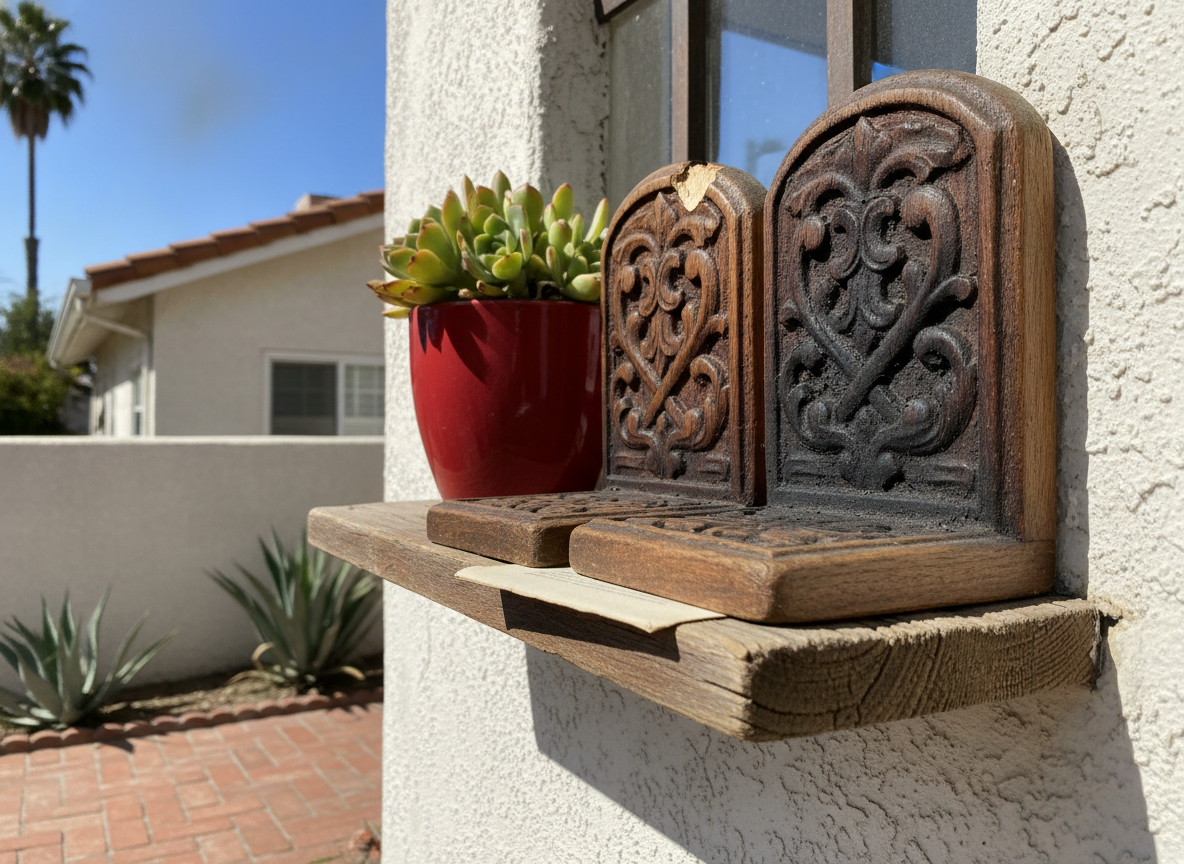
Request a record that helps you recognize belongings without relying on memory. “Bedroom contents” may be less useful to you than a description tied to a particular room, item, or clearly defined group. Agree on how much detail you want for individual possessions and where a grouped entry is acceptable.
Use these points to discuss what the inventory should include:
Identification
Request a description and a reference number or other agreed identifier for each recorded item or group.
Original location
Ask for the room or area to be recorded so you can connect belongings to where they came from.
Visible condition
Request notes and photographs that distinguish existing wear from the condition being discussed for restoration.
Related pieces
Identify accessories, removable parts, or matching items that you want kept together in the record.
Destination
Ask how the record will show where packed belongings are being taken.
For possessions that are difficult to describe, point out identifying details yourself. A distinctive mark, model label, or particular accessory may be worth including in your requested record. Keep your own copy of the agreed inventory and raise unclear entries while the belongings are still easy to identify.
Connect the inventory to the packed belongings
Before packing begins, ask how an inventory entry will connect to a physical box or separately handled item. Request an explanation you could use later: if you needed one particular belonging, what information would you provide to find it? Agree on that connection rather than relying only on a general room label.
Discuss grouping preferences before items are mixed together. You might want belongings organized by room, by owner, or by a specific set. For a collection or an item with several components, request a clear record of which pieces belong together and how separately packed parts will be identified.
Ask about the proposed packing approach for fragile, oversized, or personally important belongings. Describe any concerns about surfaces, loose components, or previous repairs. Seek agreement on handling before packing, rather than treating a box label as a substitute for that conversation.
Clarify destination, access, and approvals
Before belongings leave the property, ask where they will go and who your contact will be. Discuss whether you will be able to request an item during the project, how to make that request, and what arrangements or charges would apply. Plan around the answer rather than assuming immediate access.
Keep the scope of permission clear. Ask which decisions require your approval and how those approvals will be recorded. If you want to be contacted before a particular item receives treatment or is considered for disposal, put that instruction in writing and request acknowledgment.
Make permission to move belongings a separate discussion from permission to treat or discard them.
Request a written explanation of the proposed charges and what they cover. Ask separately about inventory, packing, transport, any storage, cleaning, and return arrangements without assuming those activities are included in one price. Keep the agreed scope alongside your inventory for reference.
Plan the return before the pack-out
Discuss what you want the return process to look like before approving removal. Ask how you will compare returned belongings with the inventory, where boxes or larger items should be placed, and how you should report a concern. Agree on who to contact if you cannot match an item to its record.
Use the inventory as your review document. As you check returned belongings, note questions against the relevant identifier rather than relying on a separate, unconnected list. Request clarification for anything missing, unfamiliar, or different from your understanding of the agreed work.
Keep the inventory, photographs, written instructions, and approvals together. Before considering the project complete, review any unresolved entries and ask for a written explanation of their status. This gives you a concrete set of questions to work through rather than a general concern about “the contents.”
Frequently asked questions
Does everything need to be packed out?
Ask for a recommendation specific to the belongings and areas involved. Request a clear distinction between items proposed for removal and items proposed to remain, and discuss the reasoning before approving the scope.
Should I photograph my belongings before they are moved?
Request photographs as part of the inventory discussion. If you also want your own record, first ask whether entering the area or handling the belongings is appropriate; prioritize safety over collecting additional pictures.
What if I need something after it has been packed?
Discuss access before removal. Identify likely essentials in advance, then ask how retrieval requests would work, whom to contact, and whether any conditions or charges would apply.
How should I flag a valuable or sentimental item?
Identify it individually, explain your concerns, and request a distinct inventory entry. Ask for your handling and approval preferences to be recorded rather than assuming its importance will be apparent.
For help with contents cleaning and restoration, contact SOS Restoration at 888-817-1650 or info@SOSrestoration.com.
Areas we serve
- ● Los Angeles County
- ● Orange County
- ● Riverside County
- ● San Bernardino County
- ● Ventura County
- ● Santa Barbara County
- ● Agoura Hills
- ● Alhambra
- ● Arcadia
- ● Artesia
- ● Avalon
- ● Azusa
- ● Baldwin Park
- ● Bell
- ● Bell Gardens
- ● Bellflower
- ● Beverly Hills
- ● Bradbury
- ● Burbank
- ● Calabasas
- ● Carson
- ● Cerritos
- ● Claremont
- ● Commerce
- ● Compton
- ● Covina
- ● Cudahy
- ● Culver City
- ● Diamond Bar
- ● Downey
- ● Duarte
- ● El Monte
- ● El Segundo
- ● Gardena
- ● Glendale
- ● Glendora
- ● Hawaiian Gardens
- ● Hawthorne
- ● Hermosa Beach
- ● Hidden Hills
- ● Huntington Park
- ● Industry
- ● Inglewood
- ● Irwindale
- ● La Cañada Flintridge
- ● La Habra Heights
- ● La Mirada
- ● La Puente
- ● La Verne
- ● Lakewood
- ● Lancaster
- ● Lawndale
- ● Lomita
- ● Long Beach
- ● Los Angeles
- ● Lynwood
- ● Malibu
- ● Manhattan Beach
- ● Maywood
- ● Monrovia