
- ✓ Open 24 hours, 7 days a week
- ✓ Serving Los Angeles County, Orange County, Riverside County and 195 more areas
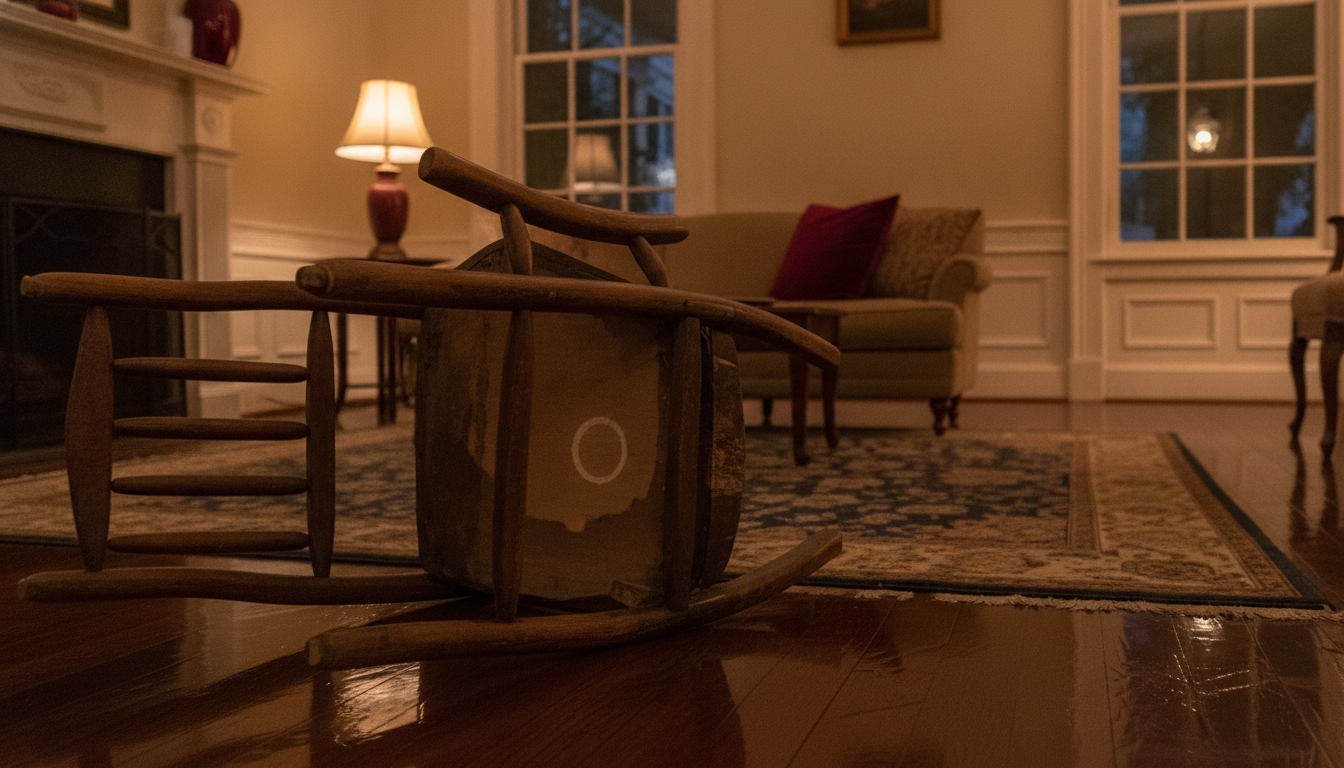
Do not treat water-damaged furniture and belongings as an automatic keep-or-discard decision. Before choosing restoration, ask for an item-specific explanation of whether it is appropriate and how safety concerns would be addressed. Before choosing replacement, identify what you would be giving up—including belongings that have personal significance beyond their purchase price.
Put the safety question before the salvage question
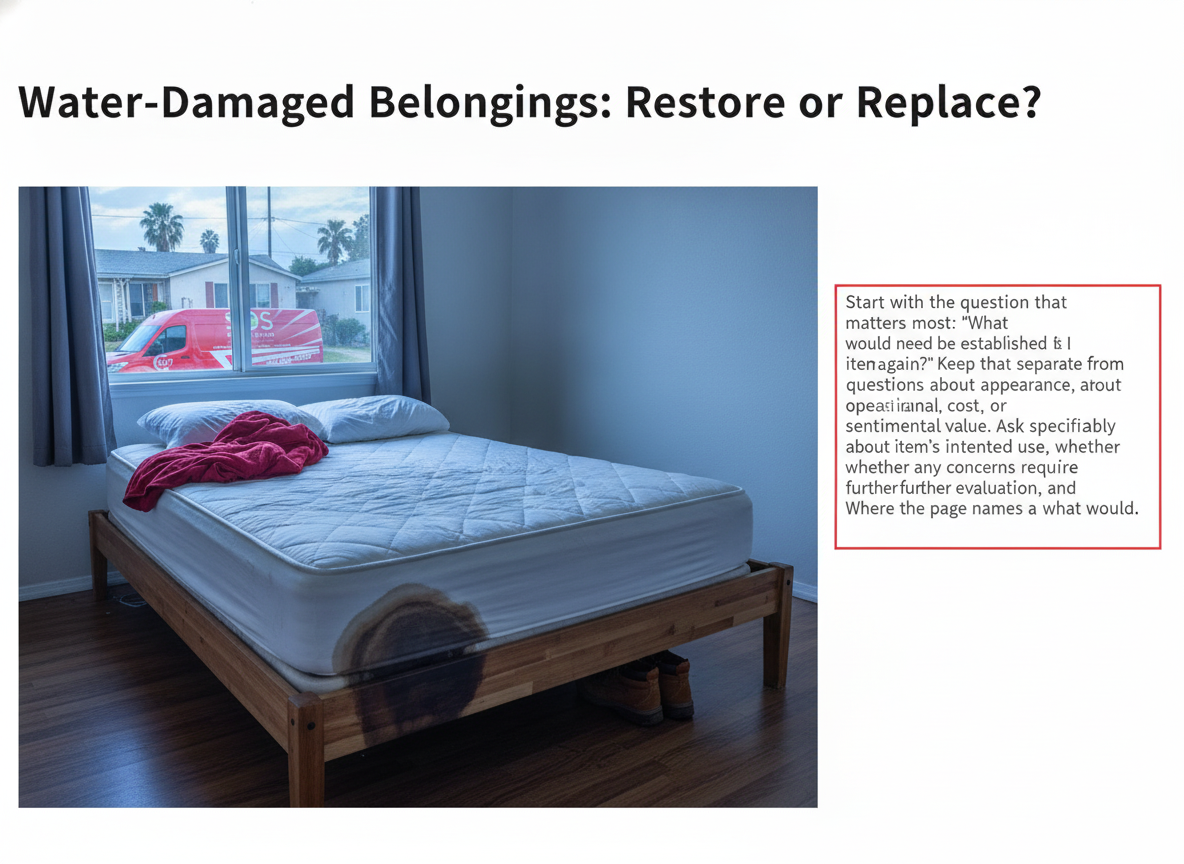
Start with the question that matters most: “What would need to be established before I use this item again?” Keep that separate from questions about appearance, cost, or sentimental value. Ask specifically about the item’s intended use, whether any concerns require further evaluation, and what would support a recommendation to restore or replace it.
Describe what happened as accurately as you can. Include where the item was, how it was affected, when you noticed the damage, and anything already done to it. If you are uncertain about a detail, label it as uncertain rather than guessing. This gives you a clear starting point for the conversation without turning assumptions into part of the item’s history.
Ask two separate questions: “Can its appearance be improved?” and “What supports returning it to its intended use?”
Build an inventory around individual belongings
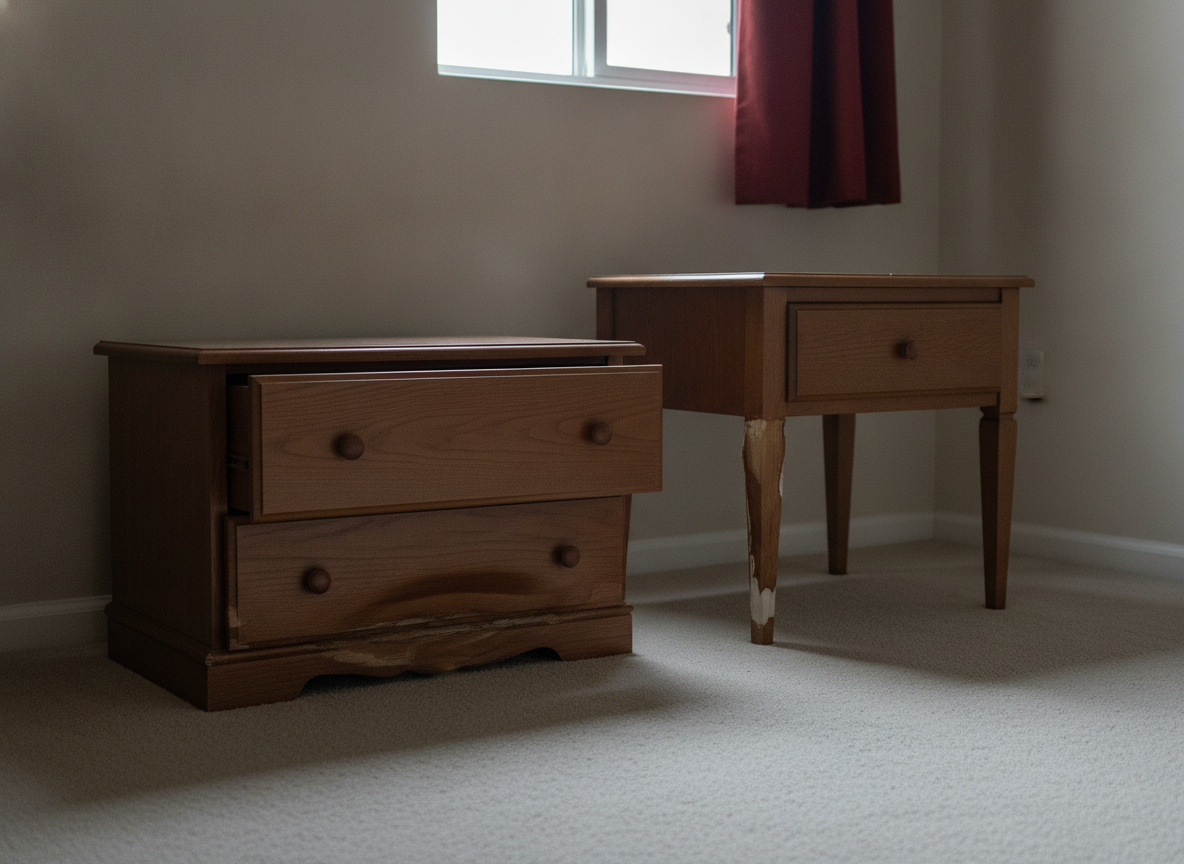
Make your inventory specific enough to support separate decisions. Instead of writing “bedroom furniture,” identify the dresser, bedside table, bed frame, and other affected belongings individually. Photograph each item and the visible condition you want to discuss. Use those photographs as a record for the conversation, not as your own safety verdict.
For each entry, note the following:
Identification
Record what the item is and any maker, model, or material information you already have.
Observed condition
Describe what you can see without assigning a cause you have not established.
Personal importance
Identify heirlooms, keepsakes, or belongings you particularly want considered for restoration.
Decision status
Mark the item as awaiting discussion, being considered for restoration, or being considered for replacement.
If several people are making decisions, agree on one inventory and one place to record updates. Add the date and the reason whenever a decision changes. That way, the final list reflects deliberate choices rather than a mixture of early impressions and later instructions.
Get a clear description of the proposed work
Before authorizing restoration, ask what is being proposed for the particular belongings under discussion. Request an explanation in plain language: which items the proposal covers, what work is included, and what outcome is being proposed. Ask whether any part of the recommendation depends on further examination.
Keep the contents discussion distinct from work on the property itself. SOS Restoration offers contents cleaning and restoration, as well as water damage restoration, water extraction, and structural drying. When discussing your needs, identify both the affected belongings and any property damage so you can ask about the scope of each service separately.
Also ask how changes would be handled. If a different recommendation emerges, who will explain it, what choices will you have, and when would your approval be needed? Settle those questions before making a decision rather than assuming every item will follow the same path.
Compare the choices that matter to you
For each item still under consideration, request an itemized explanation of the proposed restoration cost and timing. Compare that proposal with a replacement option you have actually identified. Include the replacement’s purchase price and any other expenses you have confirmed, rather than relying on a rough impression of what a similar item might cost.
Then consider your priorities. Would you prefer to retain the original if restoration is recommended? Is there a particular feature, finish, or personal connection you want preserved? What outcome would you consider acceptable? Put these preferences into words so they can be discussed before work is authorized.
Avoid forcing every belonging into the same financial rule. You may choose to weigh a replaceable household item differently from a family keepsake. Personal importance belongs in the decision, but keep it separate from the question of whether restoration is appropriate.
Record the decision and the follow-up questions
Before approving work or arranging disposal, review your inventory one item at a time. Record the choice, the explanation you received, and any conditions attached to it. Where a decision remains open, write down the next question rather than marking the item as settled.
For belongings selected for restoration, ask what information you should receive before putting them back into use. For belongings selected for replacement, confirm your disposal instructions with everyone involved. If an insurance claim is part of your situation, ask your insurer what documentation or authorization it requires before you commit to either route.
Frequently asked questions
Should I replace everything that got wet?
Do not make one blanket decision solely to simplify the process. List the affected belongings separately and request a recommendation for each item or clearly defined group before deciding what to keep or replace.
What should I ask about a sentimental item?
Explain why keeping the original matters to you, then ask whether restoration is appropriate, what outcome is proposed, and what limitations need discussion. Make your priorities clear without treating sentimental importance as an answer to the safety question.
What if I am not ready to authorize restoration?
Ask for the proposed scope, cost, timing, and unresolved questions in writing. Identify exactly what you still need to understand before giving approval, and ask what decisions require attention next.
For help with contents cleaning and restoration, contact SOS Restoration at 888-817-1650 or info@SOSrestoration.com.
Areas we serve
- ● Los Angeles County
- ● Orange County
- ● Riverside County
- ● San Bernardino County
- ● Ventura County
- ● Santa Barbara County
- ● Agoura Hills
- ● Alhambra
- ● Arcadia
- ● Artesia
- ● Avalon
- ● Azusa
- ● Baldwin Park
- ● Bell
- ● Bell Gardens
- ● Bellflower
- ● Beverly Hills
- ● Bradbury
- ● Burbank
- ● Calabasas
- ● Carson
- ● Cerritos
- ● Claremont
- ● Commerce
- ● Compton
- ● Covina
- ● Cudahy
- ● Culver City
- ● Diamond Bar
- ● Downey
- ● Duarte
- ● El Monte
- ● El Segundo
- ● Gardena
- ● Glendale
- ● Glendora
- ● Hawaiian Gardens
- ● Hawthorne
- ● Hermosa Beach
- ● Hidden Hills
- ● Huntington Park
- ● Industry
- ● Inglewood
- ● Irwindale
- ● La Cañada Flintridge
- ● La Habra Heights
- ● La Mirada
- ● La Puente
- ● La Verne
- ● Lakewood
- ● Lancaster
- ● Lawndale
- ● Lomita
- ● Long Beach
- ● Los Angeles
- ● Lynwood
- ● Malibu
- ● Manhattan Beach
- ● Maywood
- ● Monrovia