
When water damage interrupts life at your Inglewood property, the next decision is how to address both standing water and lingering moisture.
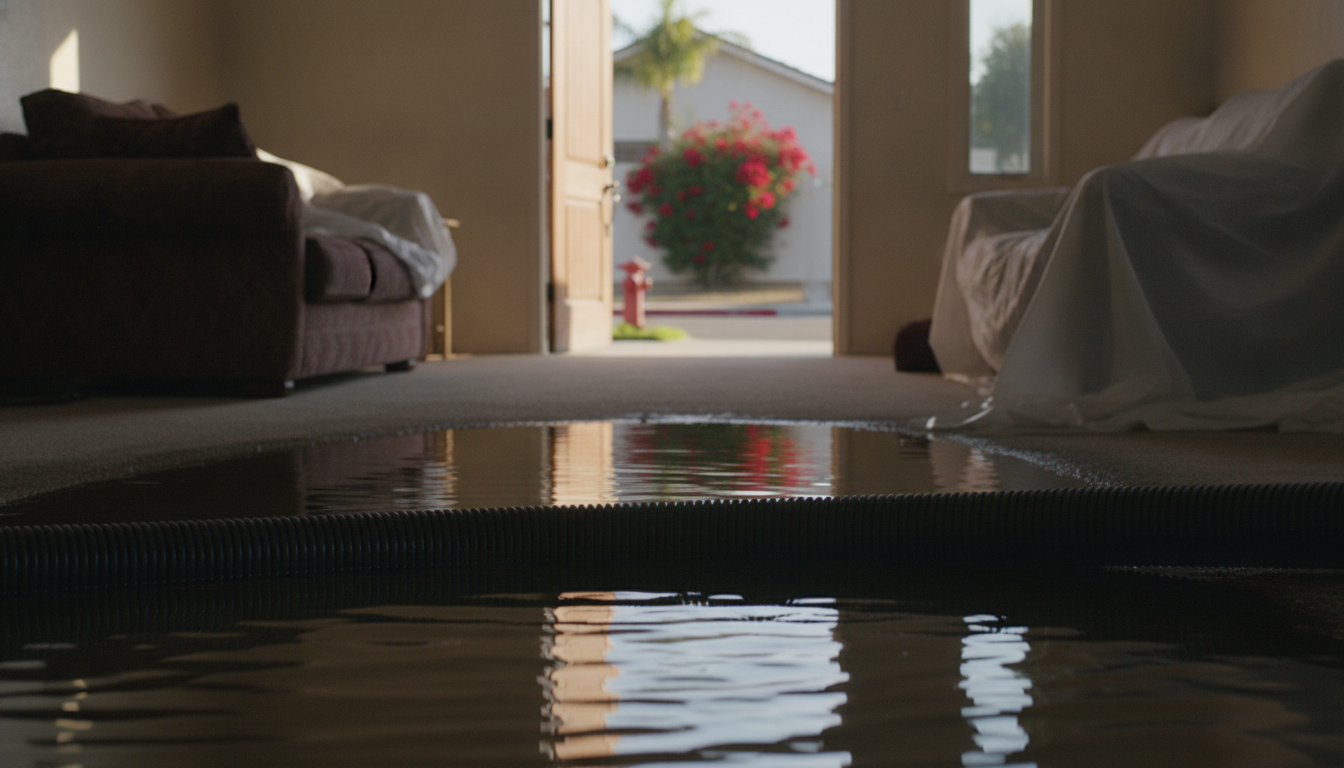

Water on a floor is easy to notice; moisture beneath flooring or inside wall materials may be less obvious. Removing visible water matters, but the work may also need to address materials that remain wet after the surface looks dry.
SOS Restoration serves Inglewood with water damage restoration, water extraction and structural drying. For someone deciding where to turn, that means these related services are available from the same business. Call to discuss what happened, which areas appear affected and the help you need.
The extent of restoration generally depends on where the water came from, how far it travelled, how long materials stayed wet and whether contamination is involved. A small visible patch does not always show the full extent of a problem.

Before moving belongings or trying to remove water, consider whether the affected area is safe to enter. Water near electrical equipment, a sagging ceiling or signs of structural instability are reasons to keep clear. If there is immediate danger, contact emergency services first.
Stay out of areas where water, electricity, contamination or damaged materials could create a hazard.
Shut off the relevant water supply only if you can reach it without entering an unsafe area.
Take photographs from a safe position and note when you first noticed the damage.
Explain the source if known, the affected rooms and any safety concerns before attempting further cleanup.
Avoid assuming that water is clean simply because it looks clear. Its source and the materials it has passed through can affect how it should be handled.
Different materials respond differently to water. Some may be suitable for drying, while others may need removal depending on their condition and the type of exposure. Flooring, wall finishes and contents can each require a different decision.
Structural drying addresses moisture in building materials rather than just water sitting on the surface. In general, drying decisions should be based on the condition of affected materials, not appearance alone. Covering a damp area or replacing finishes too early can leave the underlying issue unresolved.
When discussing your Inglewood property, describe any changes you have noticed, such as staining, swelling or a persistent damp smell. These observations can help explain the situation, even when you cannot see where all the water went.
Choosing a restoration business starts with checking that it serves your location and handles the kind of damage involved. Inglewood is within SOS Restoration’s service area, and water-related restoration is among its listed services.
SOS Restoration also provides fire and smoke damage restoration, mold remediation, emergency board-up and commercial damage restoration. When you contact the business, explain the immediate problem so the conversation stays focused on the work your property may need.
Yes. Inglewood is part of SOS Restoration’s service area. Contact the business to discuss the damage at your property.
No. Water can remain within materials after visible pooling disappears. Surface appearance alone is not a reliable way to judge whether affected materials have dried.
Have your property location, a description of what happened and any safely taken photographs ready. Mention whether water is still entering and whether there are electrical or structural concerns.
The scope and duration depend on the extent of damage, the materials involved and the conditions affecting drying. Avoid planning around a fixed timeline before the situation has been assessed.
Contact SOS Restoration at 888-817-1650 to discuss your damage and the restoration services you need in Inglewood.