
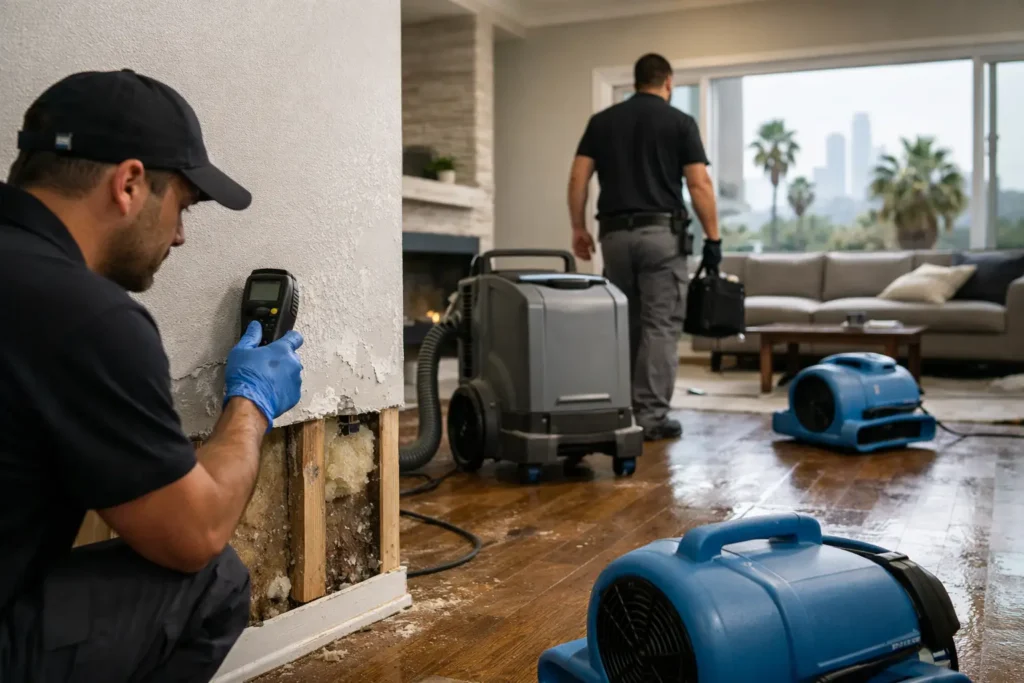
A burst supply line beneath the sink can soak cabinets, flooring, and wall cavities long before the visible puddle looks serious. A restoration company Los Angeles homeowners can rely on does more than remove water from the surface. It acts quickly to limit secondary damage, protect indoor conditions, document the loss, and guide the property toward a safe, lasting recovery.
For homeowners, landlords, and families, the first hours after property damage are often confusing. You may be trying to stop a leak, move belongings, speak with an insurer, and make sense of what can be saved. The right restoration team brings order to that moment with a clear plan and responsive communication.
What a Restoration Company in Los Angeles Should Handle
Property damage rarely stays contained to one obvious area. Water can travel under flooring and behind baseboards. Smoke can settle into upholstery, insulation, and HVAC pathways. Mold can develop where moisture remains hidden after a slow leak. Professional restoration is designed to address both the visible damage and the conditions that can lead to larger problems later.
For water damage, the process generally begins with an assessment of the source, the affected materials, and the extent of moisture migration. Certified technicians use moisture-monitoring tools to identify areas that need attention, then remove standing water and begin structural drying with professional air movement and dehumidification equipment. The goal is not simply to make a room look dry. It is to dry the affected materials to appropriate conditions and verify progress throughout the process.
Fire and smoke damage require a similarly careful response. Soot and odor residues can affect surfaces far from the fire itself, while damaged materials may need cleaning, removal, or repair. A qualified team assesses the property, protects salvageable contents, cleans affected areas using methods suited to the material, and helps coordinate the repairs needed to make the space livable again.
Mold remediation begins with finding and controlling the moisture that allowed growth to occur. The affected area may need containment to help prevent cross-contamination while trained technicians remove impacted materials, clean appropriate surfaces, and address the underlying moisture issue. This is not a problem to delay. What begins as a small hidden leak can expand into a more disruptive restoration project if the moisture remains unresolved.
Why Fast Response Makes a Meaningful Difference
Every emergency has its own timeline, but water is especially unforgiving. It can wick into drywall, padding, wood framing, and personal belongings. The longer materials stay wet, the more likely they are to swell, weaken, stain, or require removal. Quick extraction and controlled drying can often reduce the scope of damage, though the final outcome depends on the source of water, how long it was present, and the materials affected.
The same urgency applies after a fire, sewage backup, or wildfire smoke event. A fast response can help secure the property, contain affected areas, protect belongings, and begin the documentation needed for an insurance claim. It also gives homeowners a knowledgeable point of contact when decisions need to be made quickly.
That is why 24/7 emergency availability matters. A pipe does not wait for business hours, and a backup does not become less serious because it happens on a weekend. When you call for help, you should know what happens next: an initial conversation about the emergency, dispatch of a trained team when needed, an on-site inspection, and clear guidance about immediate actions to protect the property.
What to Do While Help Is on the Way
If it is safe to do so, stop the source of water at the shutoff valve or turn off the supply to the affected fixture. Move dry valuables away from the damaged area, but do not enter standing water near electrical outlets, appliances, or a compromised ceiling. Photograph visible damage and affected belongings before extensive cleanup begins when possible.
For smoke or fire damage, avoid aggressively wiping soot from walls, ceilings, or belongings. Improper cleaning can spread residues or push them further into porous surfaces. After a sewage backup, keep people and pets out of the affected area and allow trained professionals to manage cleanup and sanitation.
These steps are meant to reduce immediate risk, not replace professional restoration. The priority is safety, then rapid containment.
The Restoration Process Should Be Clear, Not Confusing
A dependable restoration company explains what it is doing and why. Homeowners should not be left guessing whether equipment is working, how long drying may take, or what comes after cleanup. While each loss is different, a complete recovery typically moves through several connected stages.
First comes emergency stabilization. This may include water extraction, temporary protection of exposed areas, removal of unsalvageable wet materials, containment, or cleaning of affected surfaces. Next, technicians establish a drying or remediation plan based on the property’s needs and monitor conditions as work progresses. Moisture readings, daily equipment checks, and documented findings help confirm that the plan is working.
Once mitigation is complete, the focus shifts to restoration. Depending on the damage, that can include repairing drywall, replacing flooring, rebuilding cabinets, repainting, or coordinating broader reconstruction work. A company that can support the process from emergency response through repair can reduce the handoffs that often make a stressful event harder to manage.
This full-service approach is especially helpful when the damage is more than cosmetic. A ceiling may need to be opened to dry a hidden cavity, or flooring may need removal to reach moisture below. These decisions should be based on inspection findings, not assumptions or shortcuts.
Questions to Ask Before You Choose
When you are under pressure, it is easy to focus only on who can arrive first. Response time is critical, but expertise, communication, and process also matter. Ask whether the company provides emergency service around the clock, uses trained and certified technicians, and performs a thorough inspection before recommending work.
You should also ask how the team will document the damage and communicate with your insurance carrier. Insurance claims can involve estimates, photos, drying records, and discussions about the scope of work. No restoration company can promise what an insurer will cover, but experienced claim support can make the documentation process easier to understand and help keep the project organized.
Finally, ask who will explain the plan to you. You deserve direct answers about what has been affected, what equipment will be used, how technicians will monitor progress, and what repairs may be needed after mitigation. Clear communication is not an extra. It is part of reliable emergency service.
Local Conditions Can Shape the Damage
Los Angeles County properties face a wide range of restoration concerns. Older plumbing systems can contribute to hidden leaks and sudden pipe failures. Heavy rain can expose roof, drainage, and window vulnerabilities. Wildfire conditions can leave smoke residue and odors even where flames never reached the property. In multi-unit buildings, a leak from an upstairs neighbor can affect several homes at once.
The right response depends on the specific event. A clean-water supply line leak may require extraction and structural drying, while a sewage backup requires specialized containment and cleanup procedures. Smoke damage may call for detailed contents cleaning and odor control, while mold work requires careful moisture correction and controlled remediation. A professional assessment helps match the scope of work to the actual conditions rather than treating every emergency the same way.
SOS Restoration supports Southern California property owners through water damage mitigation, fire and smoke restoration, mold remediation, sewage cleanup, contents cleaning, and reconstruction support. The focus is simple: respond quickly, protect the property and the people in it, and keep the path forward as manageable as possible.
Recovery Starts With the Next Right Step
Property damage can make a home feel unfamiliar in a matter of minutes. The most helpful next step is not trying to solve every part of the problem at once. Secure the immediate hazard, call a qualified restoration team, and let a careful inspection shape the recovery plan. With prompt action and clear guidance, a difficult loss can move from emergency to repair with far less uncertainty.