
When belongings are affected by damage, cleaning and restoration may offer a way forward before you decide what to replace.


Damage to a property and damage to its contents are related, but they are not the same problem. Furniture, possessions and other movable items need consideration of their own. An item’s appearance alone may not tell you whether cleaning is appropriate or whether restoration is practical.
Contents cleaning and restoration focuses on the belongings themselves. For anyone deciding what to keep, what to replace and what needs closer attention, the starting point is understanding each item’s condition—not assuming everything can be saved or that everything must go.
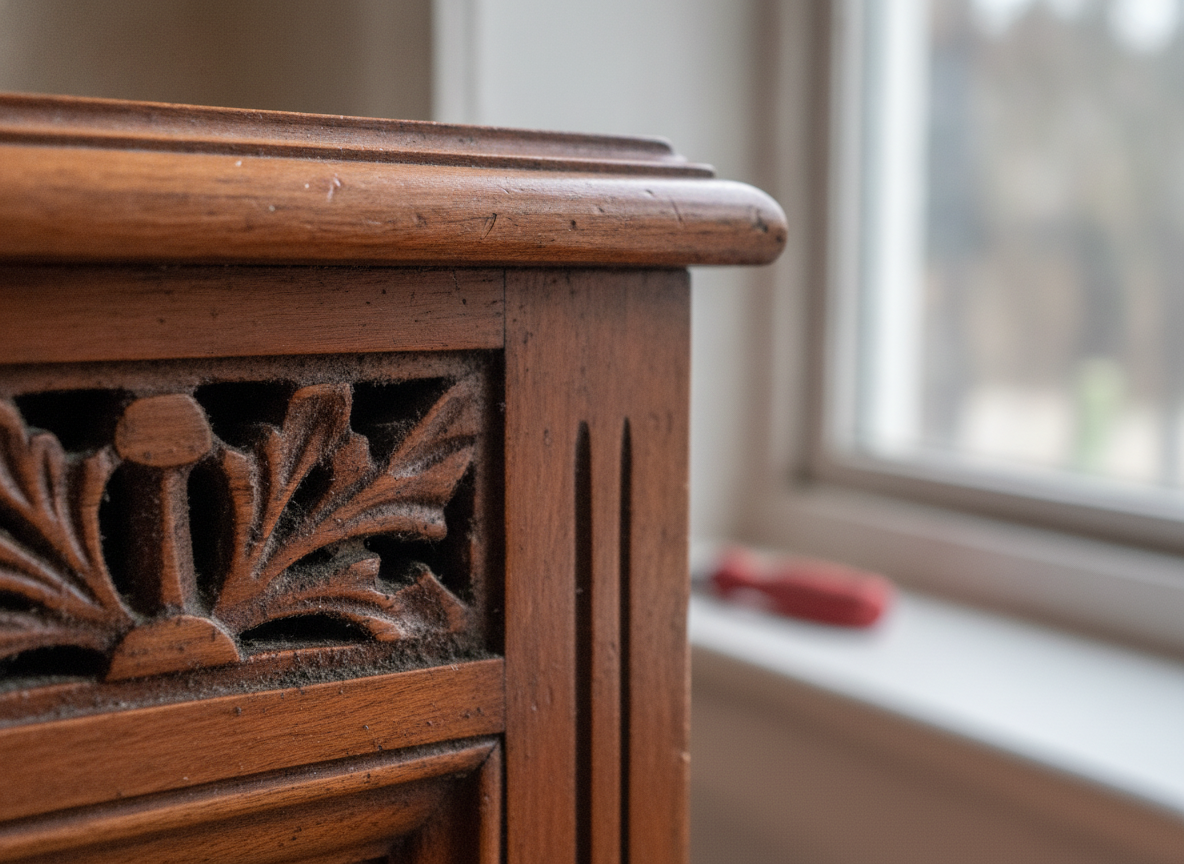
Cleaning generally addresses unwanted material on an item, such as dirt or residue. Restoration has a broader aim: improving an affected item’s condition or usefulness where that is feasible. A cleaner appearance does not necessarily mean an item has returned to its previous condition.
The appropriate approach depends on the material, the type of damage and its extent. A method suitable for one surface may be unsuitable for another. Delicate finishes, absorbent materials and items made from several different materials can complicate the decision. These are reasons to discuss the belongings individually rather than expect one treatment to suit everything.
This service may be worth exploring when you have belongings you want to retain but are unsure how to address their condition. Visible marks, lingering odors or changes in texture can prompt that conversation, though none alone establishes whether an item can be restored.
Replacement cost matters, but it is not the only consideration. Sentimental significance, intended use and the condition you would find acceptable also influence the decision. Something important to keep may deserve a different discussion from an everyday item you would readily replace.
Before attempting your own cleaning, consider that rubbing, soaking or applying a product can change a surface or finish. Avoid assuming a household cleaning method is appropriate simply because it works on an undamaged item.
A useful service discussion should establish which belongings you want considered, what has affected them and what result you hope to achieve. Photographs and a written inventory can help you explain the scope without relying on memory alone.
Before authorizing work, ask about the proposed treatment, its limitations and the costs involved. Clarify what would count as a satisfactory result and how decisions about items unsuitable for treatment would be handled. Cleaning and restoration should not be understood as a promise that every possession will look or function exactly as it did before.
SOS Restoration provides contents cleaning and restoration. If your priority is the belongings affected by damage, contact the business to discuss this service and the items you want considered.
Explain which possessions matter most to you and what concerns you have about their condition. That gives your inquiry a clear focus: the belongings, your priorities and the questions you need answered before deciding on work.
No single outcome applies to every item. Material, condition and the extent of damage influence what may be practical. Discuss expectations before committing to treatment.
Prepare a description of the affected belongings, what happened and any cleaning already attempted. Note items with particular financial or sentimental importance.
Ask SOS Restoration about pricing for the belongings you want considered. Make sure you understand the proposed scope and charges before authorizing work.
Ask about timing for your particular contents and proposed work. Explain any deadlines so they can be part of the discussion before you make arrangements.
Contact SOS Restoration at 888-817-1650 to discuss contents cleaning and restoration, explain your priorities and ask about the next step.