
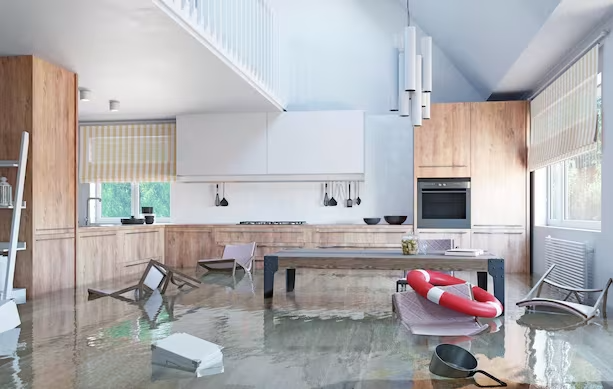
Water damage emergencies can happen at any time, often without warning. A burst pipe, overflowing appliance, roof leak, or severe storm can quickly leave a property vulnerable to structural damage and moisture-related issues. Acting quickly is essential to minimize damage and begin the restoration process before conditions worsen.
If you’re searching for Emergency Water Damage Restoration Los Angeles, understanding how the restoration process works can help you respond with confidence during an emergency. This guide explains each stage of professional water damage restoration and why timely action is critical for protecting your property.
Why Immediate Water Damage Restoration Is Important
Water spreads rapidly through porous materials such as drywall, wood, insulation, carpeting, and flooring. Even a small amount of standing water can migrate into hidden spaces and cause additional damage if left untreated.
Prompt restoration helps:
- Minimize structural damage
- Protect walls, flooring, and ceilings
- Reduce moisture buildup
- Lower repair costs
- Improve the chances of restoring personal belongings
Quick action allows restoration professionals to limit damage before it becomes more extensive.
Common Causes of Emergency Water Damage
Water emergencies can result from many unexpected situations, including:
- Burst or frozen pipes
- Roof leaks
- Overflowing toilets or sinks
- Appliance failures
- Water heater leaks
- Storm-related flooding
- Sewage backups
Regardless of the cause, immediate cleanup is essential to protect the property.
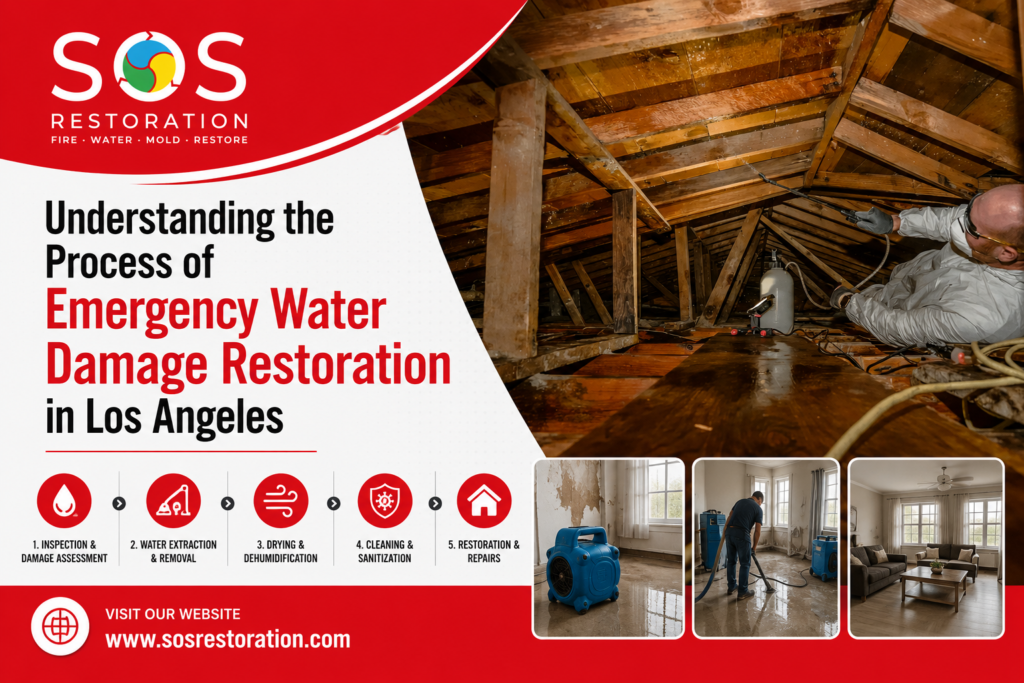
Step 1: Emergency Response and Inspection
The restoration process begins with a detailed inspection of the affected property.
During this stage, technicians:
- Identify the source of the water
- Assess the extent of the damage
- Detect hidden moisture
- Evaluate structural concerns
- Develop a customized restoration plan
A thorough inspection helps determine the most effective restoration approach.
Step 2: Water Extraction
Removing standing water is one of the most important parts of the restoration process.
Professional equipment is used to extract water from:
- Floors
- Carpets
- Basements
- Crawl spaces
- Interior living areas
Fast water removal helps reduce damage and shortens the overall drying time.
Step 3: Drying and Dehumidification
Even after standing water has been removed, moisture often remains inside walls, ceilings, flooring, and insulation.
Professional drying equipment may include:
- Industrial air movers
- Commercial dehumidifiers
- Moisture meters
- Thermal imaging technology
Continuous monitoring ensures that hidden moisture is properly eliminated before repairs begin.
Step 4: Cleaning and Sanitization
Water damage may leave behind dirt, debris, bacteria, or unpleasant odors.
Professional cleaning services often include:
- Surface cleaning
- Sanitization
- Odor removal
- Content cleaning
- Antimicrobial treatments when appropriate
This step helps restore a cleaner and healthier indoor environment.
Step 5: Repairs and Restoration
Once the property is completely dry, restoration professionals begin repairing damaged materials.
Depending on the extent of the damage, this may include:
- Drywall replacement
- Flooring repairs
- Cabinet restoration
- Interior painting
- Baseboard replacement
- Structural repairs
The goal is to restore the property to a safe and functional condition.
Why Choose a 24/7 Restoration Company?
Water damage does not follow a schedule, which is why many homeowners rely on a 24/7 Restoration Company during emergencies.
Around-the-clock emergency services provide several benefits:
- Faster response times
- Immediate water extraction
- Reduced property damage
- Earlier drying procedures
- Lower risk of mold growth
A rapid response often results in a smoother and more efficient restoration process.
The Importance of Professional Water Restoration Services
Professional Water Restoration Los Angeles County providers use specialized equipment and industry-approved techniques to restore water-damaged properties.
Benefits include:
- Advanced moisture detection
- Efficient drying equipment
- Experienced restoration technicians
- Comprehensive cleanup services
- Assistance with insurance documentation
Professional restoration helps ensure hidden moisture is properly addressed while reducing the likelihood of future issues.
What Property Owners Should Do Before Help Arrives
While waiting for restoration professionals, you can take a few safe steps to help reduce additional damage.
If conditions are safe:
- Shut off the water source
- Turn off electricity in affected areas
- Move valuable belongings away from standing water
- Take photos for insurance documentation
- Avoid walking through contaminated water
These actions can help protect your property while restoration begins.
Final Thoughts
Water damage emergencies require immediate attention. Understanding the restoration process allows homeowners and business owners to act quickly and make informed decisions during a stressful situation.
Professional Emergency Water Damage Restoration services provide the equipment, expertise, and rapid response needed to remove water, dry affected materials, and restore damaged areas efficiently. Working with an experienced 24/7 Restoration Company helps protect your property and reduces the risk of long-term damage.
Frequently Asked Questions
1. What is emergency water damage restoration?
Emergency water damage restoration involves inspecting the property, removing standing water, drying affected areas, cleaning, and restoring damaged materials after a water-related incident.
2. How quickly should water damage restoration begin?
Restoration should begin as soon as possible. Quick action helps reduce structural damage, moisture buildup, and the risk of mold growth.
3. Why should I hire a 24/7 restoration company?
A 24/7 restoration company can respond quickly to emergencies, helping minimize damage and begin the restoration process without unnecessary delays.
4. How long does the water damage restoration process take?
The timeline depends on the amount of water, the size of the affected area, and the repairs required. Smaller projects may take several days, while larger restoration projects may take longer.
5. Can water damage affect areas I can’t see?
Yes. Moisture can become trapped behind walls, beneath flooring, and inside insulation, making professional moisture detection and drying essential.