
A House fire is one of the most stressful events a homeowner can face. Once the flames are out, many people are left wondering: now what? If you’re dealing with fire damage in Chatsworth, CA, understanding the fire damage restoration process can help reduce anxiety and set clear expectations.
This guide walks you through every, stage from the initial emergency response to the final walk, through so you know what’s happening and why.
What Is Fire Damage Restoration?
Fire damage restoration is the professional process of cleaning, repairing, and rebuilding a property after fire, smoke, or soot damage. It also includes addressing water damage caused by firefighting efforts.
A certified restoration team handles everything: structural repairs, smoke odor removal, soot cleanup, content restoration, and coordination with your insurance company.
Step-by-Step: The Fire Restoration Process in Chatsworth, CA
Step 1: Emergency Contact & Initial Assessment
The process begins the moment you call a restoration company. A trained technician arrives quickly to assess the extent of the fire, smoke, and water damage. They identify safety hazards, document damage, and form a restoration plan.
During this stage, expect:
- A walkthrough of all affected areas
- Identification of structural risks
- Moisture readings if firefighting water is present
- Preliminary damage documentation for your insurance claim
Step 2: Board-Up & Property Securing
If the fire damaged windows, doors, or the roof, the restoration team will board up openings and tarp the roof. This protects your home from weather, vandalism, and further structural damage while restoration is underway.
Step 3: Water Removal & Drying
Firefighters use large volumes of water, which can saturate walls, floors, and furniture. Industrial pumps and dehumidifiers are used to extract standing water and dry the structure thoroughly. Skipping this step leads to mold growth, a secondary problem that can cost more to fix than the original fire damage.
Step 4: Soot & Smoke Cleanup
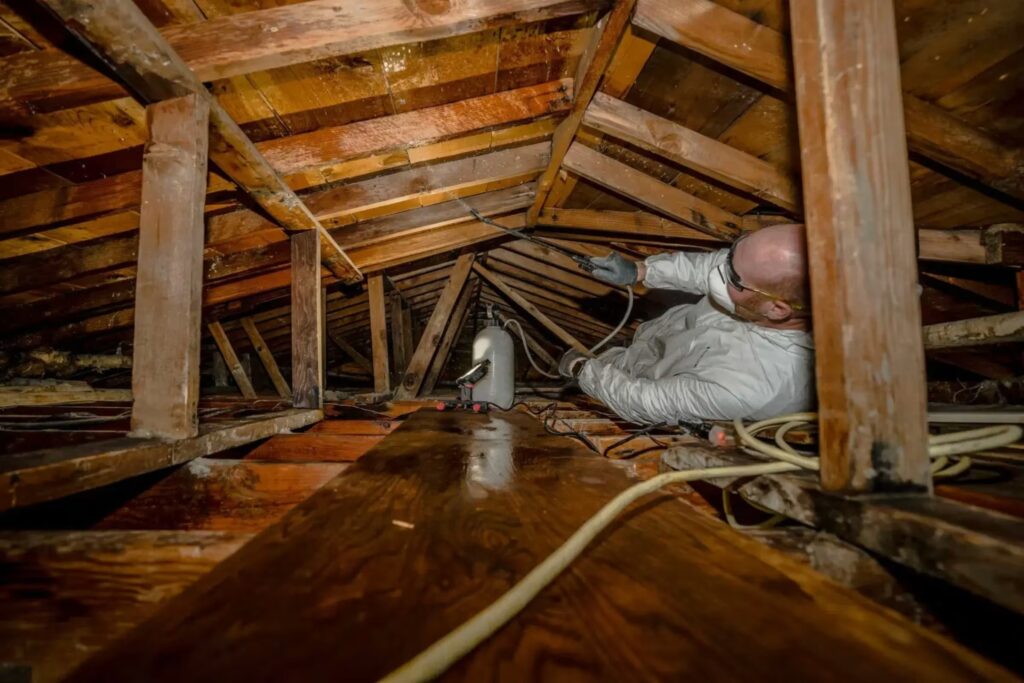
This is one of the most technical parts of fire damage restoration. Soot is acidic and causes ongoing damage to surfaces if not removed quickly. Smoke penetrates deep into walls, ceilings, HVAC systems, and soft furnishings.
Technicians use specialized equipment and chemical agents to:
- Remove dry and wet soot from all surfaces
- Clean HVAC systems and ductwork
- Treat porous materials like wood and drywall
- Deodorize the entire structure using thermal fogging or ozone treatment
Step 5: Content Cleaning & Restoration
Personal belongings, furniture, clothing, electronics, documents, are inventoried and assessed. Salvageable items are cleaned using methods like ultrasonic cleaning, dry cleaning, or ozone treatment. Damaged or unsalvageable items are documented for your insurance claim.
Step 6: Structural Repairs & Reconstruction
Once the property is clean and dry, physical repairs begin. This can range from replacing drywall and flooring to full structural reconstruction. A licensed contractor works to restore your home to its pre-fire condition, or better.
Common repairs include:
- Replacing fire-damaged framing, subfloor, and insulation
- Installing new drywall and painting
- Restoring or replacing cabinetry, fixtures, and trim
- Electrical and plumbing repairs where fire caused damage
Step 7: Final Walkthrough & Clearance
Before the job is marked complete, the restoration team conducts a final walkthrough with you. Any remaining concerns are addressed, and air quality testing may be performed to confirm smoke and soot have been fully cleared.
How Does Insurance Factor Into Fire Restoration in Chatsworth?
Most homeowners insurance policies cover fire damage restoration, including smoke and water damage caused by firefighting. A professional restoration company will typically:
- Document all damage with photos and written reports
- Communicate directly with your insurance adjuster
- Provide detailed scope of work and cost estimates
- Help ensure no damage is overlooked during the claims process
It’s important to contact your insurance provider as soon as possible after a fire. Do not discard any damaged items before they are documented.
How Long Does Fire Damage Restoration Take?
The timeline depends on the severity of the damage. Here’s a general guide:
| Damage Level | Estimated Timeline | Key Activities |
| Minor (one room) | 1–2 weeks | Soot cleanup, smoke odor removal, minor repairs |
| Moderate (multiple rooms) | 2–6 weeks | Water extraction, structural repairs, content cleaning |
| Severe (whole home) | 2–6 months | Full reconstruction, content inventory, mold prevention |
What Should You Do Immediately After a Fire in Chatsworth?
Before restoration crews arrive, there are a few things you can do to protect your property, and some things you should avoid.
Do:
- Call your insurance company right away
- Contact a certified fire restoration company
- Keep records of all communication and damage
- Wear protective gear if re-entering the property
Avoid:
- Turning on HVAC systems (spreads soot)
- Using electronics that may have been exposed to smoke
- Throwing away items before they’re documented
- Attempting DIY cleanup of soot or smoke-damaged areas
Conclusion
Recovering from a fire is never easy, but knowing what to expect during fire damage restoration in Chatsworth, CA makes the process far less overwhelming. From emergency board-up to the final walkthrough, each step is designed to return your home to a safe, livable condition as efficiently as possible.
The key is acting quickly, working with certified professionals, and staying engaged with your insurance provider throughout the process. The sooner restoration begins, the better the outcome, for your property and your peace of mind.
Frequently Asked Questions
1. Is it safe to stay in my home after a fire in Chatsworth, CA?
Generally, no. Smoke residue, soot, and structural instability can pose health and safety risks. A certified inspector should evaluate the property before you return.
2. Does fire damage restoration include smoke odor removal?
Yes. Smoke odor removal is a core part of the fire restoration process, using methods like thermal fogging, ozone treatment, and HVAC duct cleaning.
3. Will my homeowner’s insurance cover fire damage restoration costs?
Most standard homeowner’s policies cover fire and smoke damage restoration. Contact your insurer promptly and keep all records of damage and repair work.
4. Can personal belongings be restored after fire damage?
Many items can be salvaged using professional content cleaning techniques. A restoration team inventories all items and uses appropriate methods for each type.
5. How soon should I call a fire restoration company after a fire?
As soon as possible, ideally within 24–48 hours. Soot causes ongoing damage, and water from firefighting can lead to mold within 24–72 hours if untreated.
6. What certifications should a fire restoration company in Chatsworth have?
Look for IICRC-certified technicians (Institute of Inspection, Cleaning and Restoration Certification). This ensures the meet industry standards for fire and water damage restoration.