
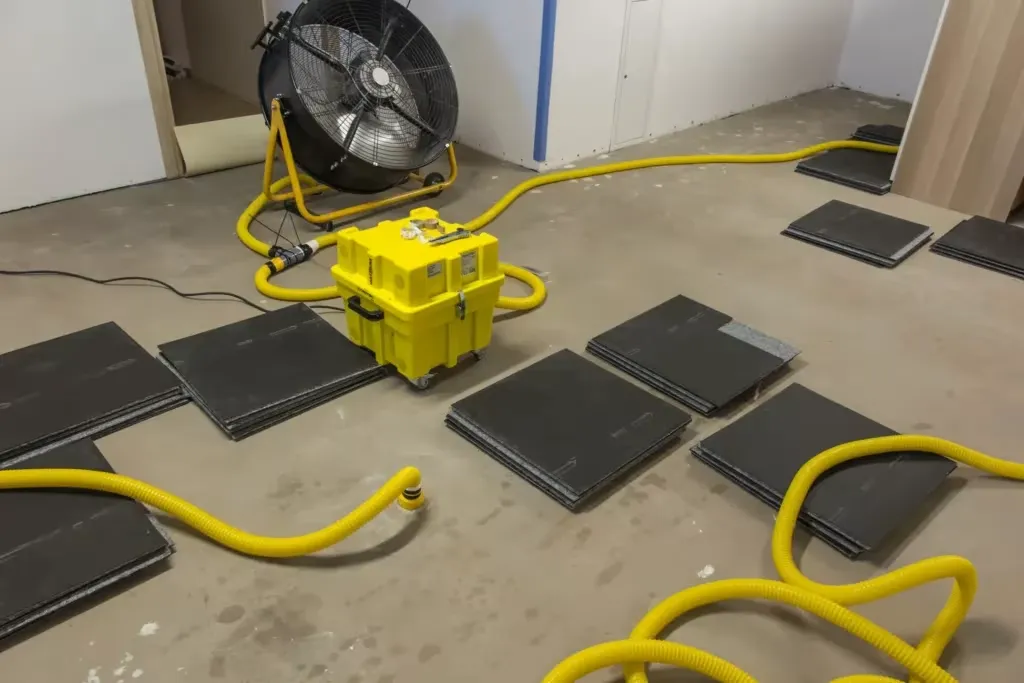
Mold can develop quietly behind walls, under flooring, inside attics, and in other hidden areas of your home. While a small patch may seem harmless, mold can spread quickly when moisture is present, affecting both your property and indoor air quality. Many homeowners do not realize there is a problem until visible stains appear or family members begin experiencing allergy-like symptoms.
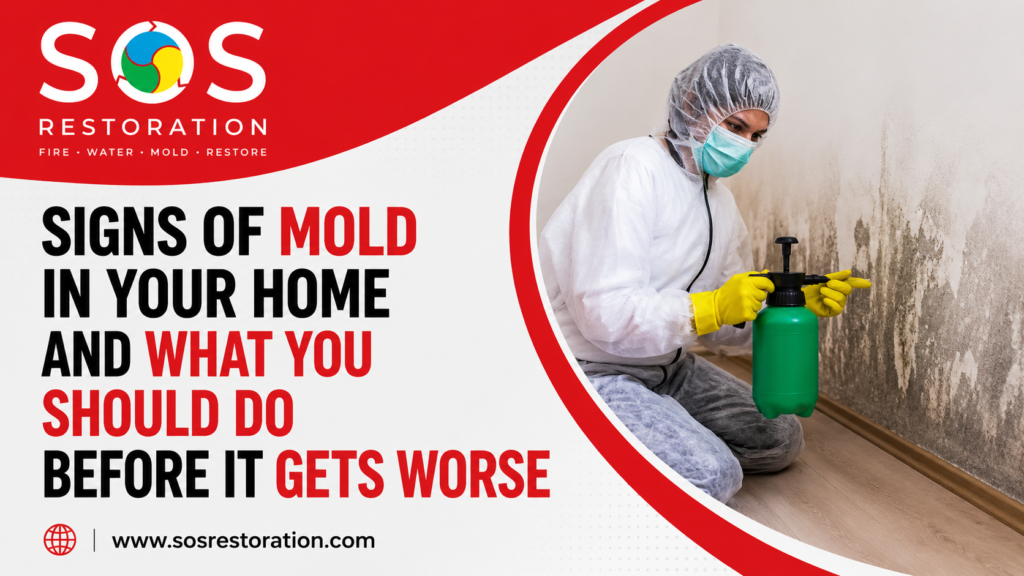
Recognizing the early signs of mold can help prevent costly repairs and larger remediation projects. If you suspect mold growth in your home, taking action early is one of the most effective ways to protect your property and your family’s health.
Why Mold Growth Happens
Mold thrives in damp, humid environments. Water damage from leaking pipes, roof leaks, flooding, appliance malfunctions, or poor ventilation can create the perfect conditions for mold to grow.
In Southern California, homes that have experienced water intrusion may develop mold even if the visible water appears to have dried. Moisture trapped behind walls, under flooring, or inside insulation can support mold growth for weeks or months.
Common Signs of Mold in Your Home
1. Persistent Musty Odors
One of the earliest indicators of mold is a strong, earthy, or musty smell. Even when mold is hidden behind walls or under flooring, it often produces a noticeable odor.
If a room consistently smells damp despite regular cleaning, it may be time to investigate for potential mold growth.
2. Visible Discoloration on Walls or Ceilings
Mold may appear as black, green, brown, gray, or white spots on surfaces. These patches can develop on:
- Drywall
- Ceilings
- Baseboards
- Wood surfaces
- Tile grout
- Carpeting
Visible staining often indicates excess moisture and should not be ignored.
3. Recent Water Damage
Homes that have experienced flooding, burst pipes, roof leaks, or appliance leaks are at a higher risk for mold development.
Even after water appears to be removed, hidden moisture can remain inside building materials. This is why professional drying and mold treatment are often recommended after significant water damage.
4. Increased Allergy Symptoms Indoors
Mold spores can affect indoor air quality and may trigger symptoms such as:
- Sneezing
- Nasal congestion
- Itchy eyes
- Coughing
- Throat irritation
If symptoms improve when leaving the house and worsen when returning, mold could be contributing to the issue.
5. Peeling Paint or Warped Materials
Moisture problems often reveal themselves through:
- Bubbling paint
- Peeling wallpaper
- Warped wood
- Soft drywall
- Swollen baseboards
These signs may indicate hidden moisture that can support mold growth.
Why Mold Should Be Addressed Quickly
Ignoring mold rarely solves the problem. Once mold colonies become established, they can continue spreading into nearby building materials. Over time, this can damage drywall, wood framing, insulation, and flooring.
Mold can also affect indoor air quality, which is why homeowners should investigate potential issues as soon as signs appear. Early intervention often results in less extensive repairs and a simpler remediation process.
This approach keeps the article professional, easier to read, and more aligned with how high-ranking home service blogs are typically structured. A good target would be 10–15 total bullet points across the entire article, rather than 25–30.
What You Should Do If You Notice Mold
Identify the Moisture Source
Mold cannot grow without moisture. Before focusing on cleanup, determine whether the issue is caused by:
- Plumbing leaks
- Roof damage
- Condensation
- Poor ventilation
- Previous water damage
Stopping the moisture source is essential for long-term mold growth prevention.
Avoid Disturbing Large Mold Areas
Attempting to scrub or remove extensive mold growth without proper containment can release spores into the air and spread contamination to other areas of the home.
For larger affected areas, professional black mold removal services may be necessary to ensure safe remediation.
Improve Ventilation
Proper airflow helps reduce humidity and moisture buildup. Consider:
- Running exhaust fans
- Using dehumidifiers
- Opening windows when weather permits
- Ensuring attic and crawl space ventilation
These steps can help support mold growth prevention and maintain healthier indoor conditions.
Schedule a Professional Inspection
A professional assessment can help determine:
- The extent of mold growth
- Hidden moisture issues
- Affected building materials
- Appropriate mold treatment options
Early intervention often prevents minor issues from becoming major restoration projects.
The Importance of Professional Mold Removal
While some surface mold may appear manageable, hidden contamination can be difficult to detect without specialized equipment.
Professional mold removal in Los Angeles often includes:
- Moisture detection
- Mold inspection
- Containment procedures
- Air filtration
- Safe removal of contaminated materials
- Thorough mold treatment
- Preventive recommendations
A qualified mold cleanup company can help ensure the issue is addressed completely rather than temporarily covered up.
How to Prevent Future Mold Problems
Preventing mold begins with controlling moisture inside the home.
Homeowners can reduce risks by:
- Repairing leaks promptly
- Maintaining proper ventilation
- Monitoring humidity levels
- Cleaning gutters regularly
- Inspecting roofing systems
- Addressing water damage immediately
- Scheduling periodic property inspections
These proactive measures help protect both your property and indoor air quality.
Final Thoughts
Mold often starts as a small, hidden problem before becoming a larger concern. Paying attention to warning signs such as musty odors, discoloration, water damage, and worsening indoor allergy symptoms can help homeowners act before the situation escalates.
When mold is identified early, professional remediation and proper mold treatment can help restore a healthy living environment while minimizing property damage. Taking quick action is one of the most effective ways to protect your home, your investment, and your family’s comfort.
Frequently Asked Questions
1. What are the first signs of mold in a house?
The most common early signs include musty odors, visible spots on walls or ceilings, recent water damage, peeling paint, and increased allergy symptoms indoors.
2. Is mold dangerous to breathe?
Mold exposure may affect indoor air quality and can trigger allergy-like symptoms, especially in individuals who are sensitive to airborne particles.
3. Can mold grow after water damage has dried?
Yes. Moisture can remain trapped behind walls, beneath flooring, or inside insulation even after surfaces appear dry, creating conditions for mold growth.
4. How long does professional mold removal take?
The timeline depends on the size of the affected area, the severity of contamination, and whether structural repairs are required. Small projects may take a few days, while larger remediation efforts can take longer.
5. How can I prevent mold from coming back?
Promptly repair leaks, maintain proper ventilation, reduce indoor humidity, and address water damage quickly to support effective mold growth prevention.