
Quick Answer: Professional water damage restoration in Los Angeles combines emergency water removal, advanced moisture detection, and structural drying to stop mold growth before it starts. Acting within the first 24–48 hours is critical to protecting your home or business.
Introduction
When water invades your home, the damage you see is only part of the problem. What hides inside walls, under flooring, and in crawl spaces is often far more dangerous. Water damage restoration in Los Angeles is not just about removing standing water, it is about preventing a chain of events that can compromise your property for months or years to come.
Whether the source is a burst pipe, storm flooding, or a roof leak, the response in the first few hours determines whether you face a simple cleanup or a full-scale mold and structural remediation project.
Why Does Water Damage Lead to Mold and Structural Problems?
Mold can begin to grow in as little as 24 to 48 hours after water exposure. When moisture seeps into porous materials like drywall, wood framing, insulation, and subfloors, it creates the ideal environment for mold colonies to thrive. At the same time, prolonged moisture weakens structural components, causing wood to warp, swell, and eventually rot.
In Los Angeles, the combination of warm temperatures and hidden moisture makes post-flood mold prevention especially important. Professional water mitigation services address both visible and concealed moisture, something DIY efforts often miss entirely.
What Does Professional Water Damage Restoration Actually Involve?
A qualified restoration team follows a structured process designed to eliminate moisture at every level of your property:
1. Emergency Water Removal
The first priority is removing standing water as quickly as possible. Using industrial-grade pumps and wet vacuums, technicians perform emergency water removal to stop the spread and reduce saturation time. Every hour of delay increases the risk of deeper structural absorption.
2. Moisture Detection
One of the most important steps, and one that separates professionals from DIY attempts, is thorough moisture detection. Using thermal imaging cameras and moisture meters, technicians locate water trapped inside walls, ceilings, and under flooring that is completely invisible to the naked eye. Without this step, pockets of moisture remain and become breeding grounds for mold.
3. Water Extraction Services and Structural Drying
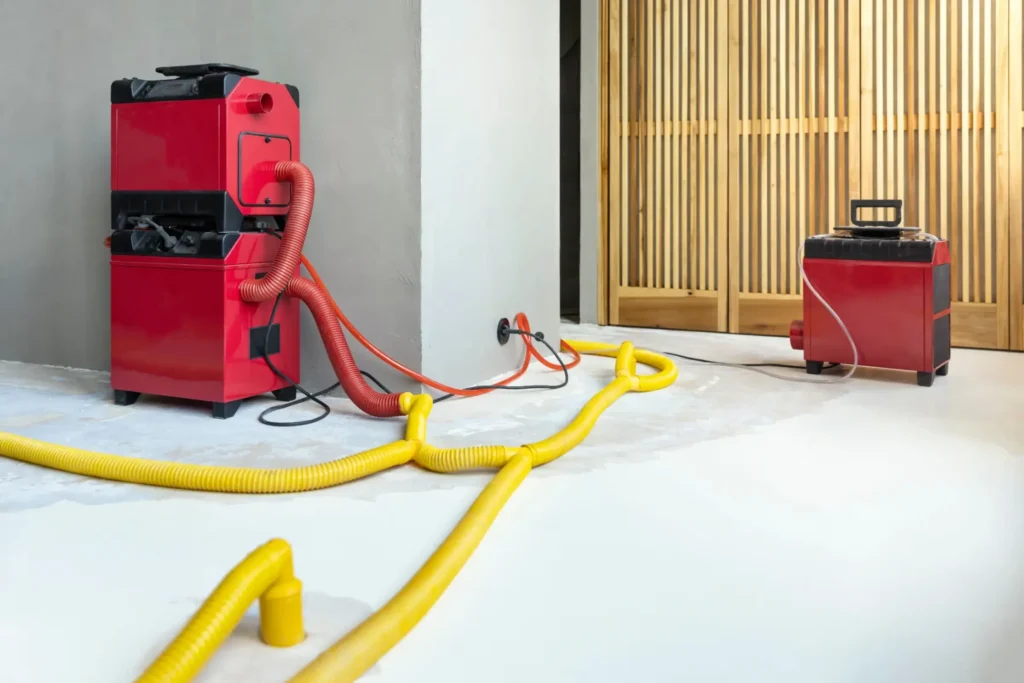
After initial removal, water extraction services continue with high-powered extractors and air movers that draw moisture out of building materials at a deep level. Industrial dehumidifiers run continuously to reduce ambient humidity, while drying logs track moisture readings daily until safe levels are confirmed.
4. Mold Prevention After Water Damage
Once materials are dry, antimicrobial treatments are applied to surfaces at risk of mold growth. This is a proactive measure, it stops spores from establishing colonies rather than waiting to treat a visible mold problem later. Mold prevention after water damage is far less expensive than full mold remediation.
5. Structural Assessment and Repair Coordination
Flood damage cleanup services from a full-service restoration company do not stop at drying. The team evaluates structural integrity, documents damage for insurance purposes, and coordinates or performs necessary repairs, from replacing drywall sections to addressing compromised framing.
DIY Cleanup vs. Professional Water Mitigation Services
| Factor | DIY Cleanup | Professional Restoration |
| Moisture Detection | Surface-level only | Thermal imaging + meters |
| Drying Equipment | Household fans | Industrial air movers & dehumidifiers |
| Mold Prevention | Often missed | Antimicrobial treatment applied |
| Hidden Water in Walls | Undetected | Located and extracted |
| Insurance Documentation | Informal photos | Professional damage reports |
| Structural Safety Check | None | Full structural assessment |
How Fast Do You Need to Act After Water Damage?
Speed is the single most important factor in limiting damage. Here is a general timeline of what happens when water is left unaddressed:
- Within 1–2 hours: Water absorbs into walls, floors, and furniture
- Within 24–48 hours: Mold begins to grow; drywall starts to swell
- Within 1 week: Wood framing may warp; mold becomes widespread
- After 2 weeks: Structural components face serious risk; remediation costs escalate significantly
This is why emergency water removal is not a step to delay. Calling a professional water damage restoration team in Los Angeles immediately is the most cost-effective decision you can make.
Conclusion
Water damage is rarely as simple as it appears on the surface. What starts as a wet floor or a damp wall can quietly turn into a mold infestation or a structural integrity issue if not handled correctly and quickly. Professional water damage restoration in Los Angeles addresses the full scope of the problem, from emergency water removal and deep moisture detection to mold prevention after water damage and structural assessment.
If your home or business has experienced any form of water intrusion, the most important step you can take right now is to contact a qualified restoration team. The faster you act, the more you protect.
SOS Restoration provides professional water mitigation services, flood damage cleanup services, and emergency water removal across Los Angeles. Visit SOS Restoration to learn more.
Frequently Asked Questions
1. How quickly should I call for water damage restoration in Los Angeles?
As soon as the water source is controlled, call a professional restoration team. Ideally within the first 1–2 hours. Mold can begin developing in 24–48 hours, and structural absorption increases with every passing hour.
2. Can water damage cause mold even if the area looks dry?
Yes. Water trapped inside walls, under flooring, and in insulation will not be visible on the surface. Professional moisture detection tools are required to locate these hidden pockets before they become mold problems.
3. What is the difference between water mitigation and water restoration?
Water mitigation focuses on stopping further damage, removing water, drying materials, and applying mold prevention treatments. Water restoration refers to the repair and rebuilding phase, replacing damaged drywall, flooring, and structural elements. A full-service company typically handles both.
4. Does homeowner insurance cover flood damage cleanup services?
Standard homeowner insurance often covers sudden and accidental water damage, such as a burst pipe. Flood damage from external sources typically requires separate flood insurance. A professional restoration company can document the damage thoroughly to support your insurance claim.
5. How long does the water damage restoration process take?
Drying alone typically takes 3 to 5 days depending on the extent of moisture and the materials affected. Full restoration, including repairs, may take 1 to 2 weeks or longer for severe damage. Your restoration team should provide daily moisture readings and a clear timeline.
6. Is it safe to stay in my home during water damage restoration?
It depends on the extent of the damage. For minor incidents, staying home is generally fine. For significant flooding, structural concerns, or active mold risk, your restoration team will advise whether temporary relocation is the safer choice.