
When water damages your Grand Terrace property, knowing what to do first can make the next decision less overwhelming.
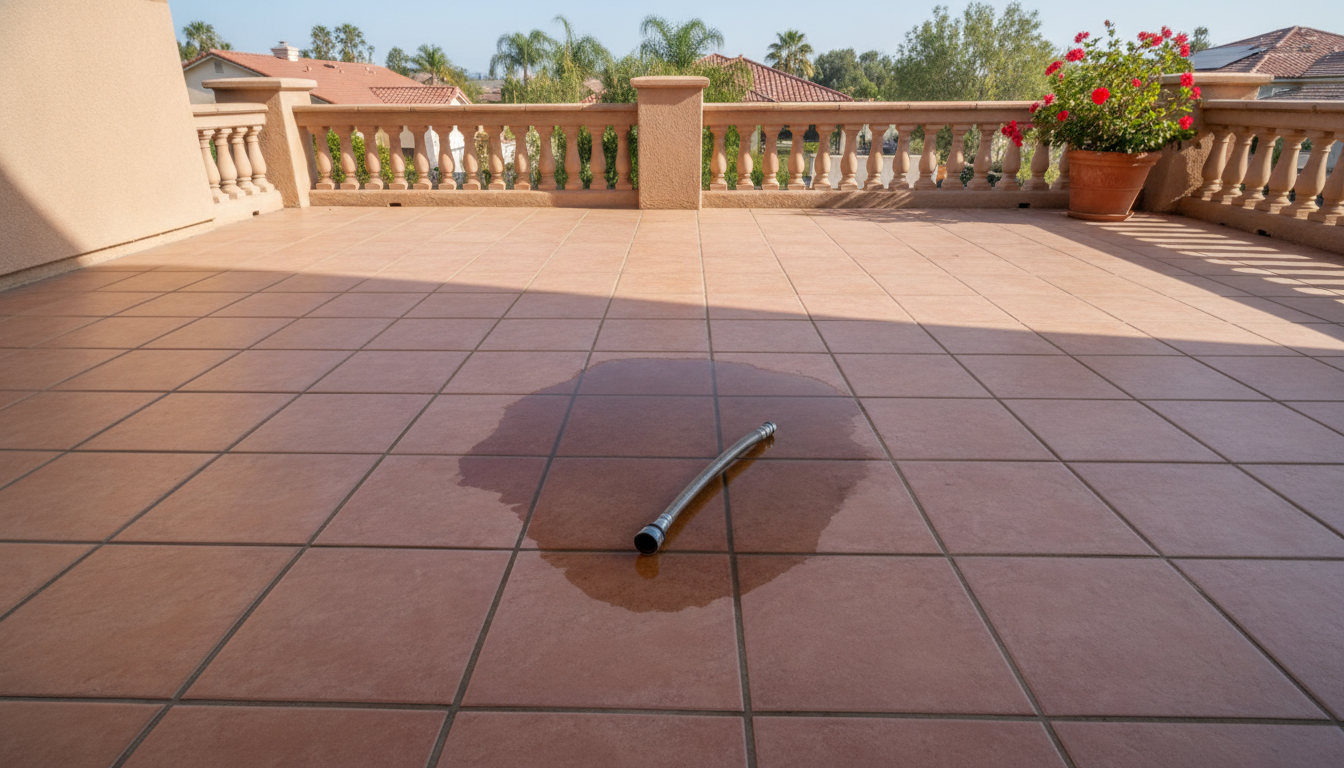
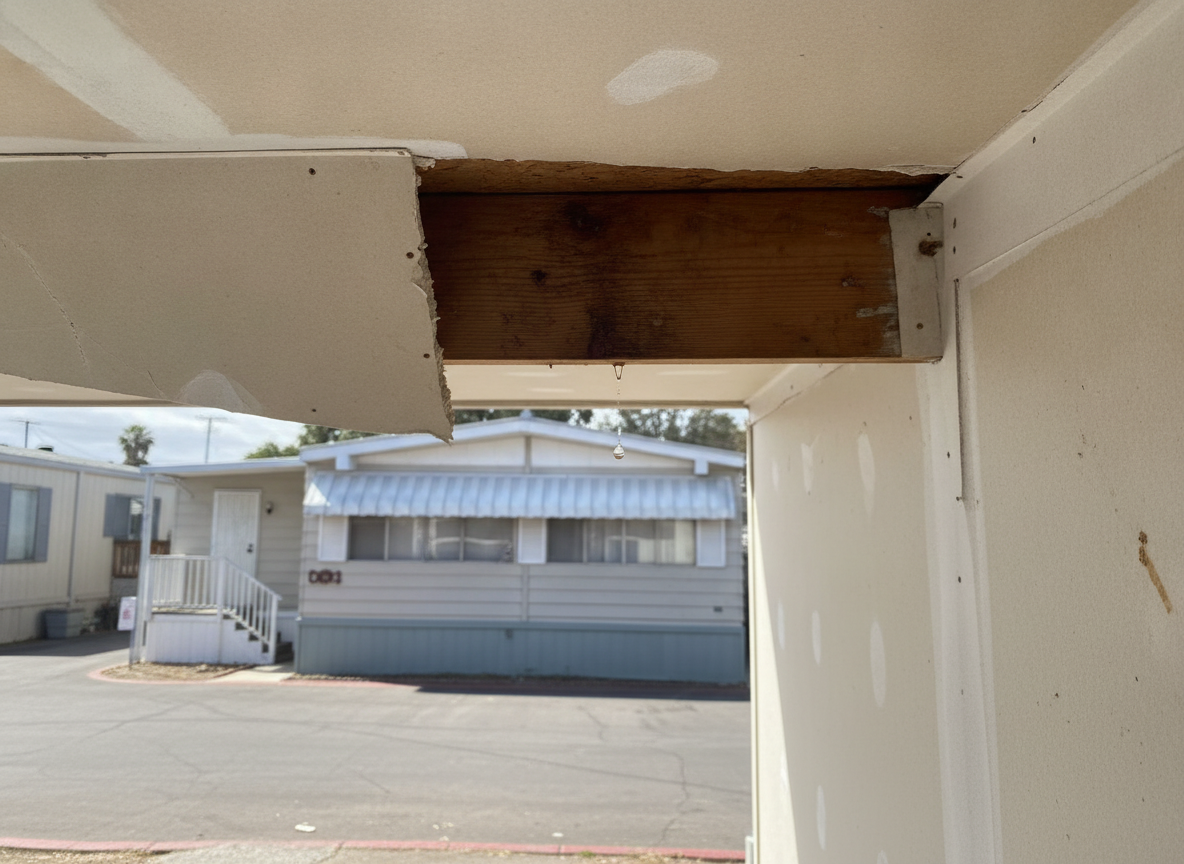
Before thinking about damaged flooring or belongings, consider whether the affected space is safe to enter. Standing water near electrical equipment, sagging ceilings, and water that may contain sewage are reasons to keep people away. If there is immediate danger, contact the appropriate emergency service rather than entering the area.
If you can reach the water supply safely, stopping an active leak may limit further damage. Do not step into water to reach a shutoff or electrical panel. Once immediate safety concerns are addressed, contact SOS Restoration about your Grand Terrace property and describe what happened.
Avoid affected areas where electricity, contaminated water, or unstable materials may create a risk.
Photograph visible damage without entering unsafe spaces or moving hazardous materials.
Share when you noticed the problem, whether water is still entering, and which rooms appear affected.

A floor can look dry while moisture remains beneath it or inside nearby materials. Water can move beyond the original spill or leak, so the visible boundary does not always show the full extent of a problem. The source, duration, and materials involved all influence what needs attention.
Removing standing water and drying damp materials are related but different tasks. Surface cleanup alone may not address moisture inside a wall assembly or under flooring. Decisions about drying or removing materials depend on their condition, the type of water involved, and whether they can be adequately cleaned and dried.
For a Grand Terrace customer, the useful starting point is a clear description of the damage—not a guess about which equipment or treatment is needed.
SOS Restoration serves Grand Terrace with water damage restoration, water extraction, structural drying, flood cleanup, and mold remediation. That range is relevant when a water problem involves more than one concern, such as standing water alongside damp building materials or suspected growth.
When deciding whom to contact, explain the whole situation rather than requesting only the most visible task. Mention odors, discoloration, affected belongings, and any previous wetting in the same area. These observations can help frame the conversation, though they do not establish the cause or extent of damage by themselves.
It is natural to want a clear answer about whether flooring, walls, or belongings can be kept. In general, that decision depends on the material, the degree of damage, possible contamination, and how long it has remained wet. Two items that look similar may need different handling.
Avoid assuming that every wet item must be discarded—or that everything can be saved. Before moving damaged items, consider safety and document their condition when practical. If you plan to make an insurance claim, ask your insurer about documentation requirements and coverage decisions.
Yes. Grand Terrace is part of SOS Restoration’s service area. Contact the business to discuss the damage at your property and the help you need.
Visible dryness does not necessarily mean enclosed materials are dry. Describe the original water exposure as well as what you can see now, including any lingering odors or changes in surfaces.
The scope and duration depend on the amount of damage, affected materials, water conditions, and drying needs. Ask about the expected scope and timing for your situation rather than relying on a general estimate.
Have your property location, a brief description of the problem, and any safely obtained photos available. Explain whether the source is still active and whether there are access or safety concerns.
Contact SOS Restoration at 888-817-1650 or use the contact form to describe what happened at your Grand Terrace property. Start with what you know and ask about the next steps for your situation.