
When water damage interrupts life at your Lompoc property, the first decisions are about safety, remaining moisture and what needs attention next.
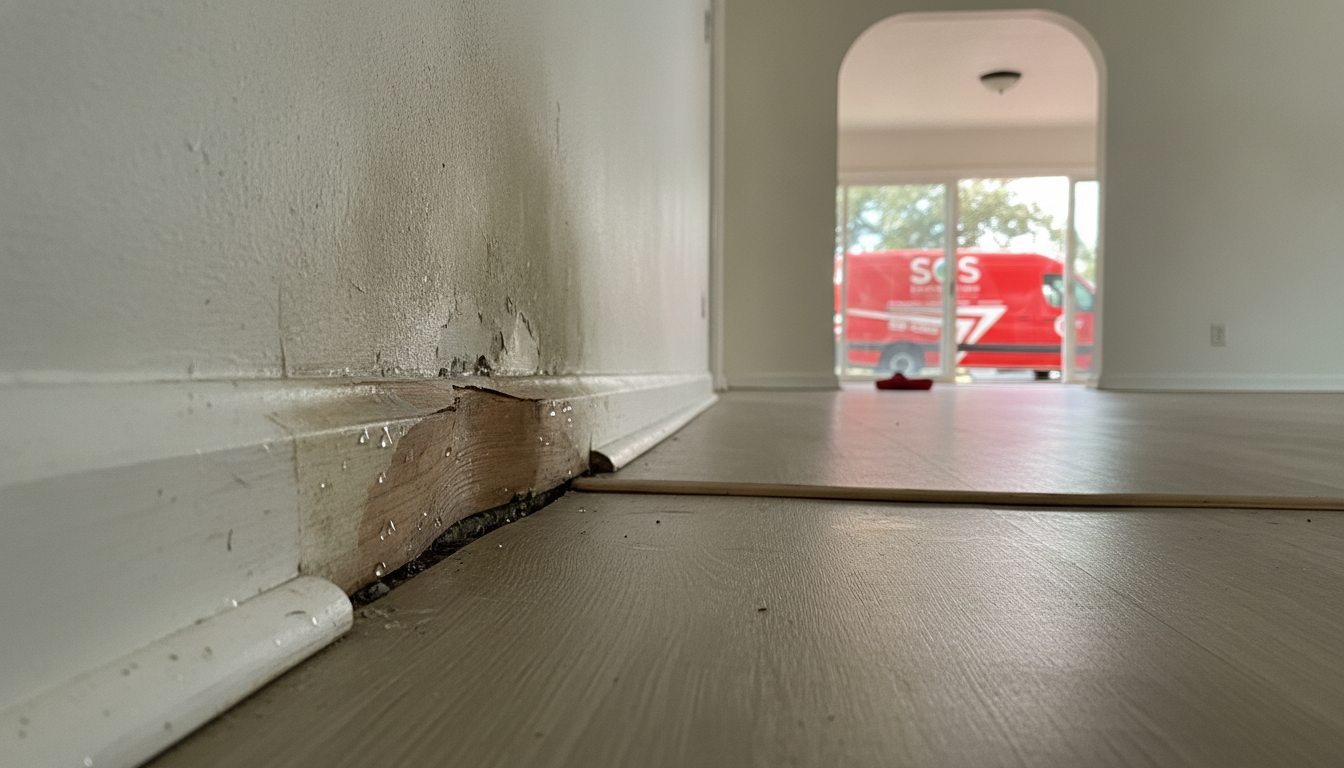

A wet floor or spreading ceiling stain can make cleanup feel urgent. Before entering an affected space, consider whether water could be near electrical equipment or whether damaged materials could fall. Avoid contact with sewage or water of uncertain origin, and keep people away from areas that may be unsafe.
If you can stop the source without entering a hazardous area, do so. Otherwise, leave that step to the appropriate professional. For an immediate threat to life or safety, contact emergency services before arranging property restoration.
Do not enter standing water where electricity or structural damage may be involved.
Keep people and pets away from affected areas until it is safe to enter.
Take photographs from a safe position before moving items or beginning cleanup.
Describe where the water appeared, whether it is still entering and which areas seem affected.
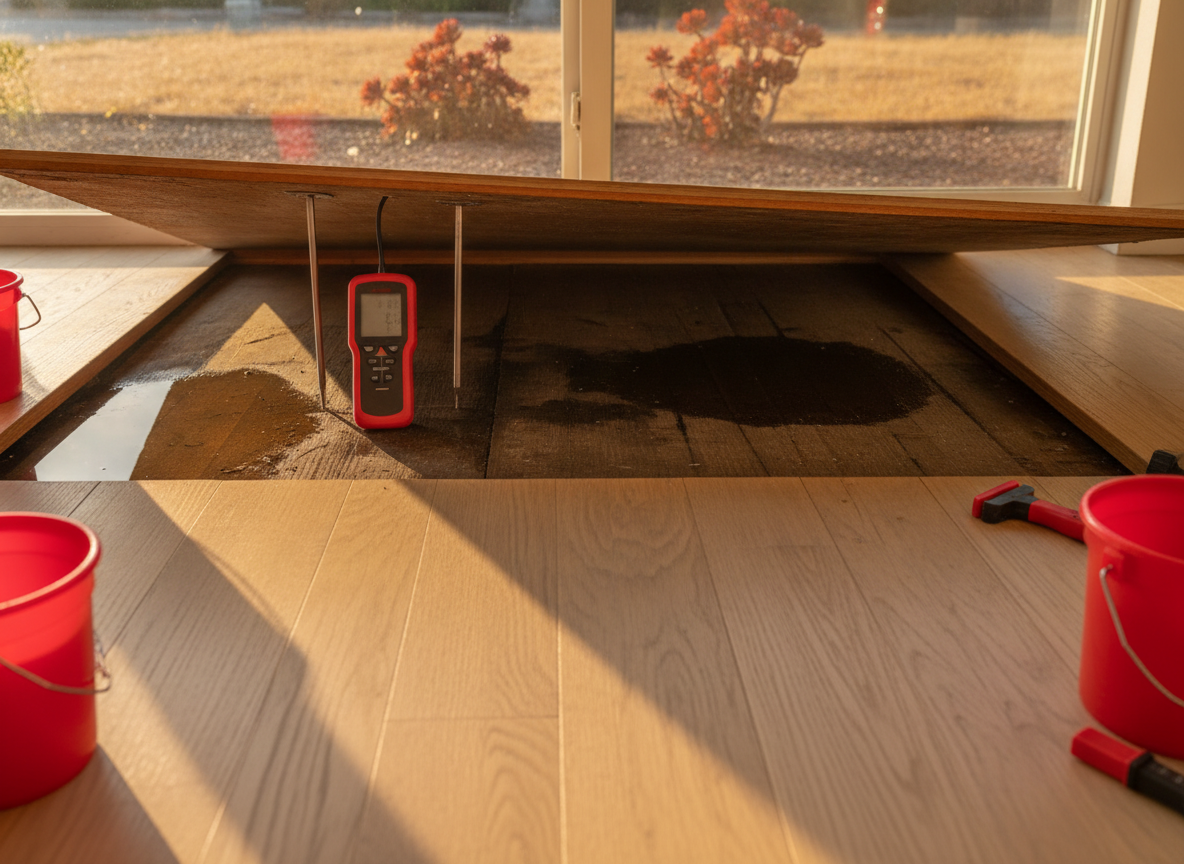
SOS Restoration serves Lompoc with water damage restoration, water extraction and structural drying. That combination addresses both water you can see and moisture that may remain within affected materials.
Standing water and damp building materials present different challenges. Removing pooled water does not necessarily mean flooring, walls or other materials are dry. The appropriate next step depends on the source of the water, how long materials have been wet and how far moisture has spread.
A surface that looks dry can still leave questions about what is underneath or behind it. When discussing the work, ask how remaining moisture will be evaluated and what will determine whether an affected material can stay in place.
For someone arranging restoration in Lompoc, two useful starting points are whether the company serves the property’s location and whether its services match the problem. Lompoc is part of SOS Restoration’s service area, and its water-related services cover removal and drying as well as restoration.
The visible size of a wet patch is not enough to determine the scope of work. A small stain may call for a different approach than widespread standing water, but neither should be judged by appearance alone. Explain what happened and ask what needs to be established before work begins.
When you contact SOS Restoration, have your Lompoc property location ready, along with a description of the affected rooms and any known source of water. Mention whether the source has stopped and whether there are access or safety concerns.
You do not need to diagnose the damage yourself. A clear account of what you noticed—and when—provides a useful starting point. If you are considering an insurance claim, ask your insurer about documentation and policy requirements rather than assuming a particular expense will be covered.
Yes. Lompoc is included in SOS Restoration’s service area. Contact the business to discuss the damage at your property and ask about arranging service.
Not necessarily. Moisture can remain in affected materials after visible water is gone. Drying needs depend on the materials involved and the extent of moisture, not just whether the floor looks clear.
Only if you can do so safely. Avoid items near electrical hazards, unstable materials or potentially contaminated water. Photographs taken from a safe location can help document the condition before anything is moved.
Ask what the next step is, what information is needed and what you should avoid doing before the property is evaluated. Describe any urgent hazards at the outset.
Take the next step toward addressing the damage. Call SOS Restoration at 888-817-1650 or use the contact form to discuss your Lompoc property and ask about service.