
When damage interrupts life at your Ontario property, understanding what needs attention first can make your next decision clearer.
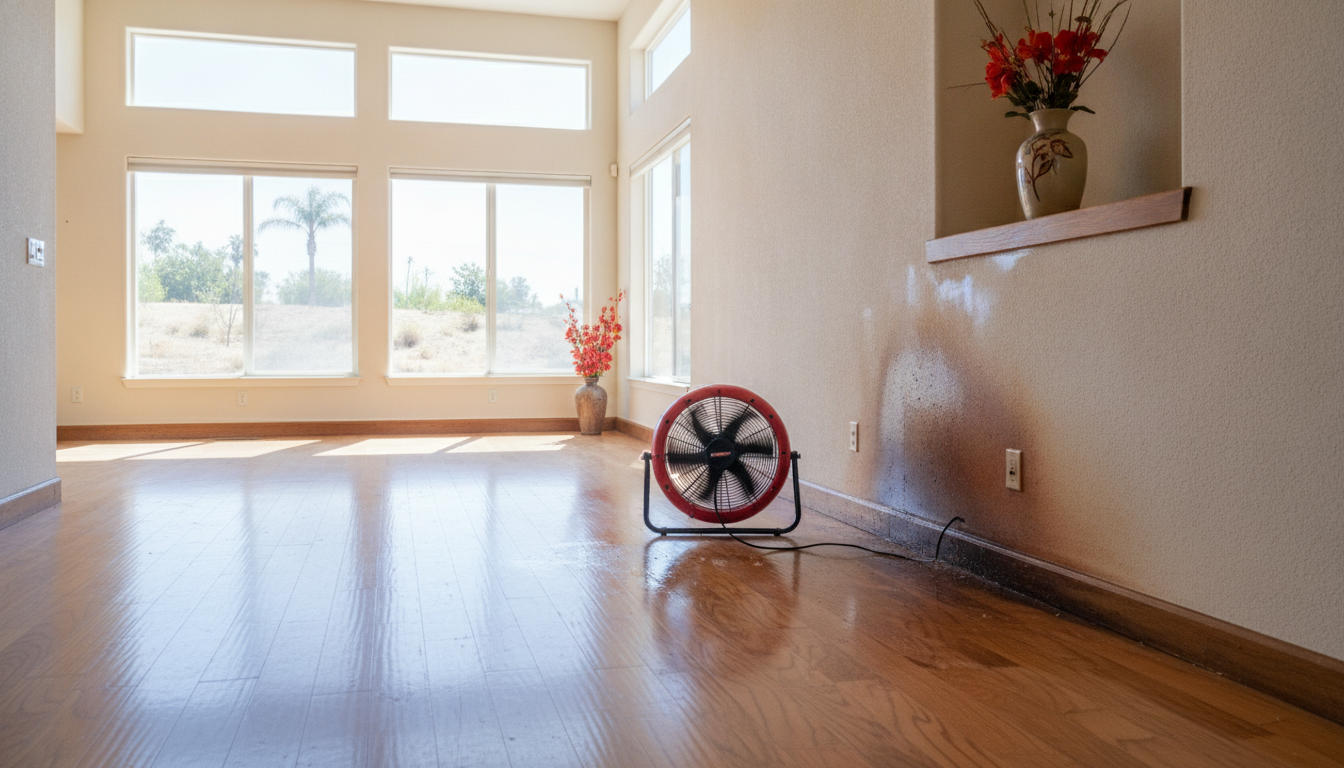

Before thinking about repairs, consider whether the affected area is safe to enter. Standing water near electrical equipment, unstable materials, smoke and contaminated water can create hazards. If there is an immediate danger, leave the area and contact the appropriate emergency service rather than attempting cleanup yourself.
Once you are somewhere safe, a few practical steps can help you prepare for a conversation about restoration:
Keep people and pets away from visible damage and potential contamination.
Shut off a known water source only when you can reach it without entering a hazardous area.
Take photographs from a safe position without disturbing damaged materials.
Contact SOS Restoration with your Ontario location, the type of incident and what you have observed.
You do not need to diagnose the full extent of the problem before calling. Describing where the damage is visible and whether the source is still active is a useful starting point.
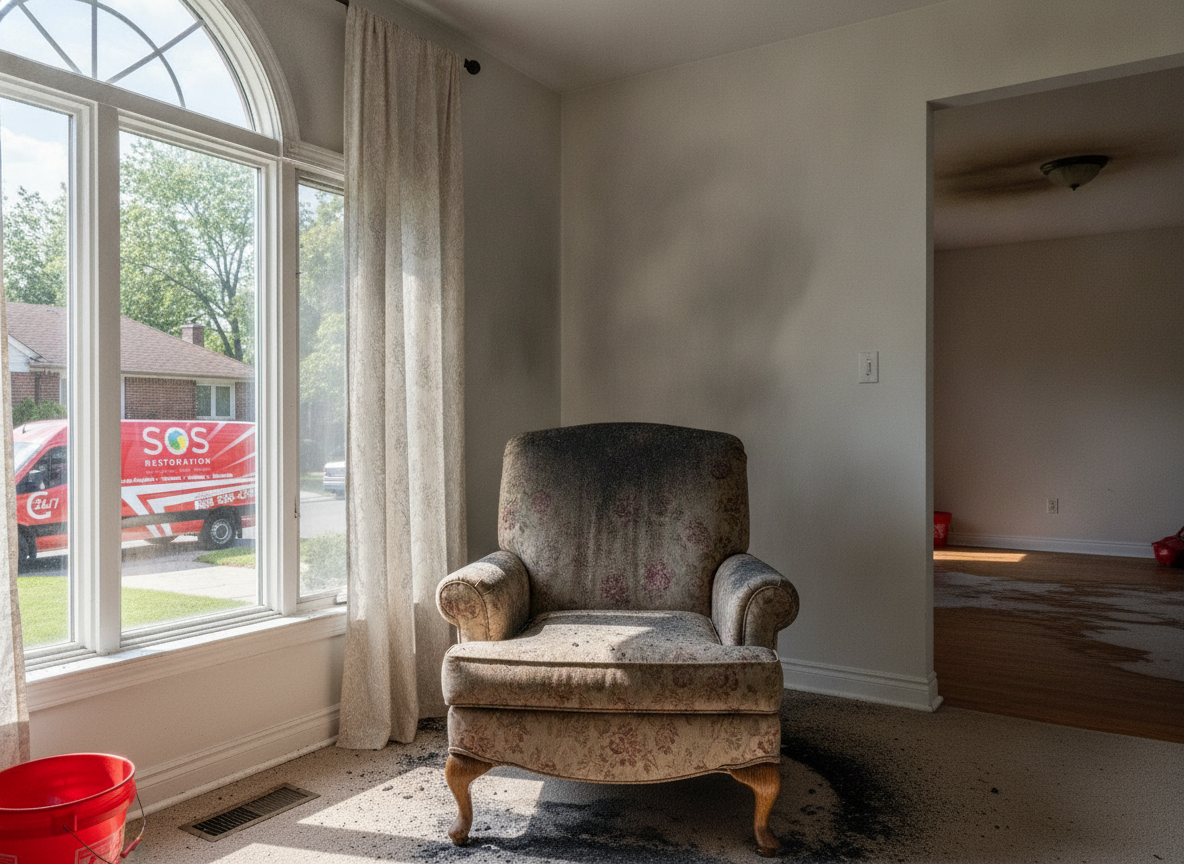
A wet floor, smoke-stained surface or damaged ceiling is a starting point, not necessarily the full picture. Moisture can move into adjoining materials, while smoke residue can affect surfaces and belongings beyond the most visibly damaged area. The work needed depends on the source, affected materials and extent of exposure.
SOS Restoration serves Ontario with water damage restoration, water extraction, structural drying, flood cleanup, sewage cleanup, storm damage repair, fire and smoke damage restoration, smoke odor removal, mold remediation, emergency board-up, commercial damage restoration, contents cleaning and restoration, asbestos removal, disaster cleanup and biohazard cleanup. That range is relevant when an incident involves more than one kind of damage and you need to discuss several concerns with one business.
For a water-related incident, the immediate concern may be the water you can see. However, materials can remain damp after surface water is gone. Decisions about drying, cleaning or removing affected materials depend on their condition and the nature of the water involved.
The practical goal is to address the affected materials, not simply improve how a room looks. When discussing your Ontario property, mention damp areas, changes in flooring or walls, and any spaces you cannot safely access. These observations help frame the conversation without requiring you to investigate hidden areas yourself.
Damage to a building and damage to its contents can raise different questions. An item’s material, exposure and condition influence whether cleaning or restoration is appropriate. Some belongings may need different attention from the surrounding room.
Before moving or discarding affected items, document them if it is safe. If you intend to make an insurance claim, ask your insurer about its documentation requirements. Avoid assuming that everything can be saved—or that everything must be thrown away.
Yes. Ontario is part of SOS Restoration’s service area. Contact the business to discuss the damage at your property and the service you need.
Only take steps that are safe. Avoid disturbing suspected hazardous materials or handling contaminated water. Household cleaning may not address damage within materials and can expose you to unnecessary risks.
The duration depends on the extent of damage, affected materials and work required. A small visible area does not necessarily mean a short job, so discuss the scope before planning around a completion date.
Have your property location, a brief description of the incident and any safely obtained photographs available. Mention whether the source is ongoing and whether access is restricted.
Contact SOS Restoration at 888-817-1650 to discuss what happened, describe your concerns and ask about the restoration services your property needs.