
When water damages your Rolling Hills Estates property, the next decision is how to address the moisture—not just the visible mess.

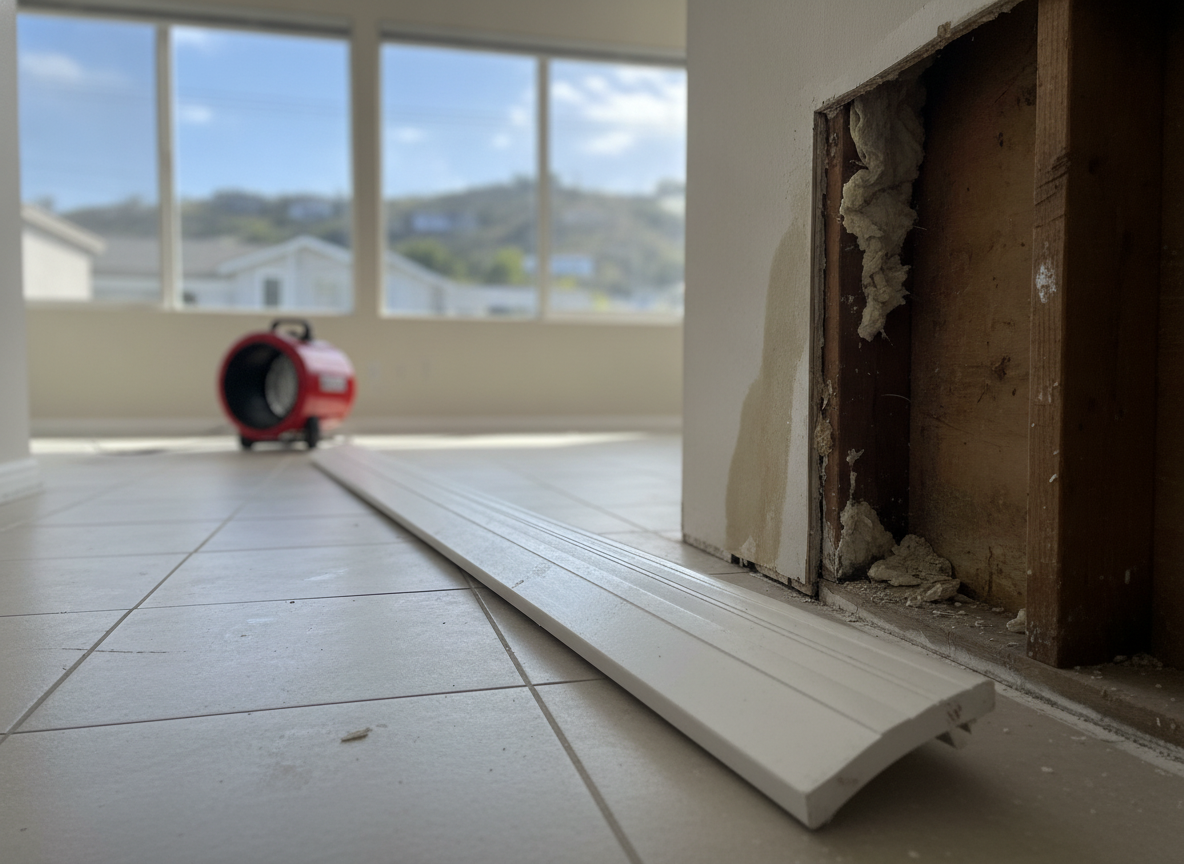
A wet floor or stained ceiling gives you a starting point, but it does not necessarily show the full extent of the damage. Moisture can move into adjoining materials and remain after exposed surfaces appear dry. The work needed depends on where the water came from, what it reached and how long materials have stayed wet.
SOS Restoration serves Rolling Hills Estates with water damage restoration, water extraction and structural drying. For a customer facing water damage, that combination matters: removing standing water and addressing moisture within affected materials are different parts of the job.
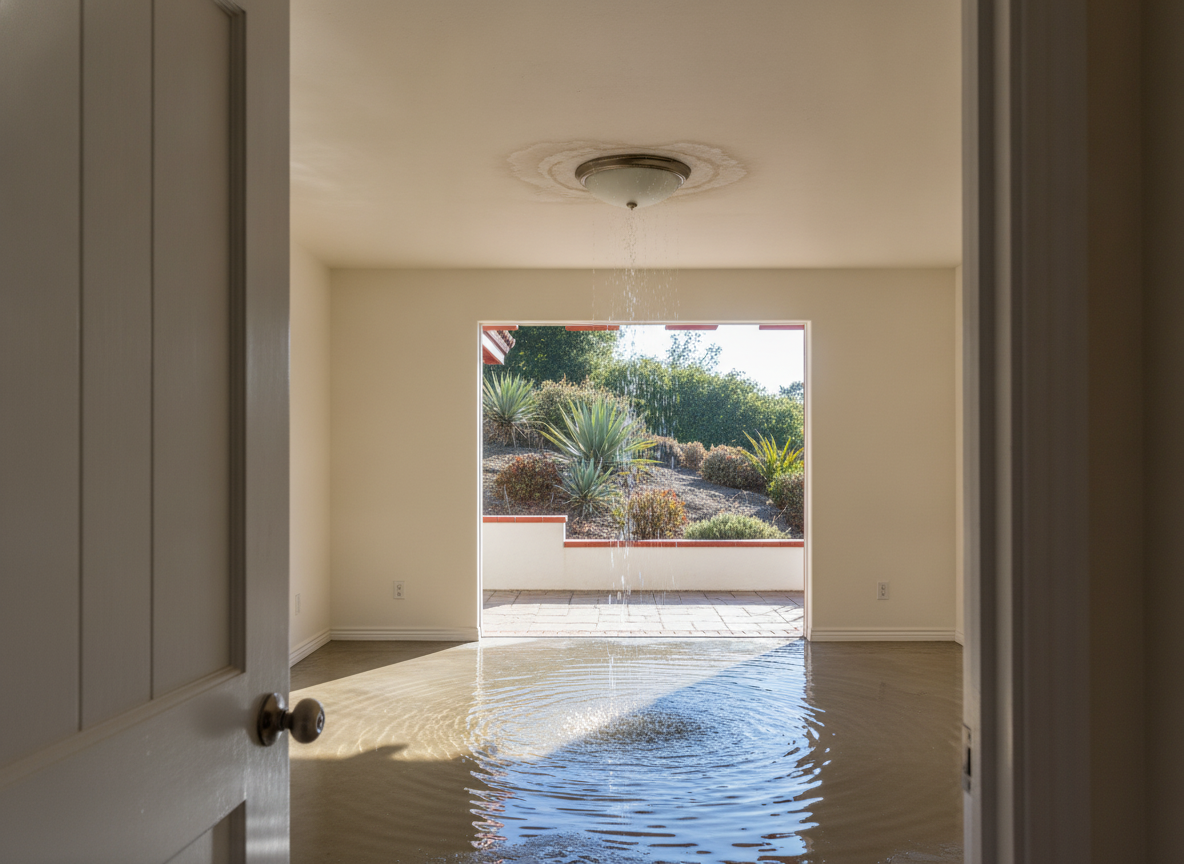
Before trying to save belongings or start cleaning, consider whether the affected space is safe to enter. Water near electrical equipment, a sagging ceiling or suspected contamination calls for caution rather than hands-on cleanup.
Stay out of affected spaces where electrical, structural or contamination hazards may be present.
Shut off the relevant water supply only if you can reach it without entering a hazardous area.
Photograph visible damage from a safe position before moving items or beginning cleanup.
Describe what happened, where you see damage and whether water is still entering the property.
If there is immediate danger, contact emergency services first. Do not enter an unsafe area just to gather information for a restoration call.
A small-looking patch does not always mean a small job, and a large puddle does not tell the whole story either. The type of material matters: hard surfaces, flooring, wall assemblies and belongings can respond differently to moisture. Water that has entered concealed spaces can require a different approach from water confined to an exposed surface.
Removing standing water is not the same as establishing that affected materials are dry. In restoration work generally, decisions about drying, cleaning or removal depend on the condition of the materials and the nature of the water exposure. Appearance alone is not a reliable guide to what can remain in place.
When you contact SOS Restoration about a Rolling Hills Estates property, explain which rooms and materials appear affected. That description gives the conversation a clearer starting point without requiring you to diagnose the damage yourself.
Alongside its water-related work, SOS Restoration provides storm damage repair, fire and smoke damage restoration, mold remediation, flood cleanup, emergency board-up, sewage cleanup, smoke odor removal, commercial damage restoration, contents cleaning and restoration, asbestos removal, disaster cleanup and biohazard cleanup.
That range is a reason to contact the business when the problem does not fit neatly into one category. Describe the conditions you have noticed rather than trying to choose a technical service name. Mention unusual odors, affected belongings or damage in adjoining rooms so those concerns are part of the discussion.
Yes. Rolling Hills Estates is within SOS Restoration’s service area. Contact the business to discuss the damage at your property and the service you need.
Share the property location, the apparent source of the problem, when you first noticed it and which spaces are affected. Mention any immediate safety concerns. Only gather photographs if doing so is safe.
That depends on the item, its condition and the type of exposure. Some materials respond differently to cleaning and drying than others, so avoid assuming that everything is either salvageable or lost.
The scope, affected materials and moisture conditions influence the time needed. A useful discussion starts with the damage itself rather than a fixed timeline based only on room size.
For damage restoration in Rolling Hills Estates, contact SOS Restoration at 888-817-1650. Explain what happened and what you can safely observe, and ask about the next step for your property.