
When water damage interrupts life at your Adelanto property, the next decision is how to remove the water and address remaining moisture.
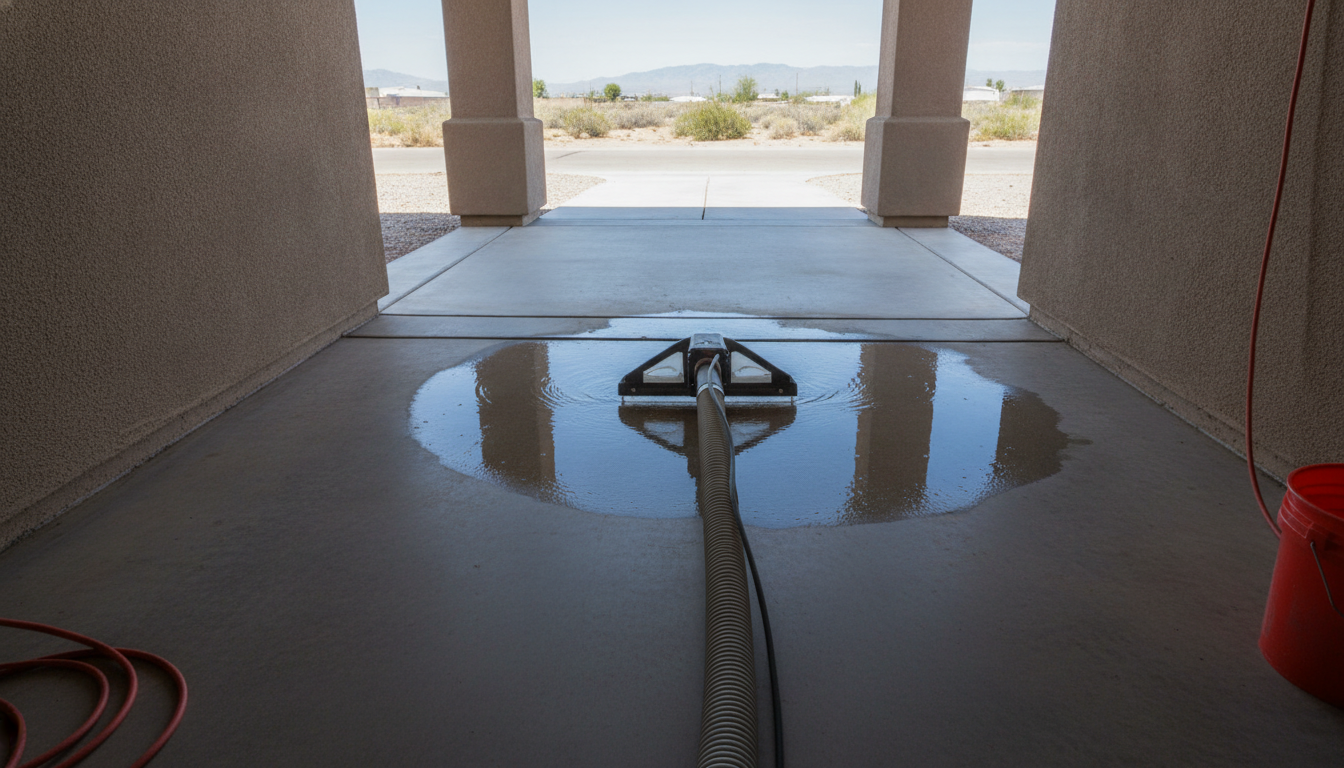
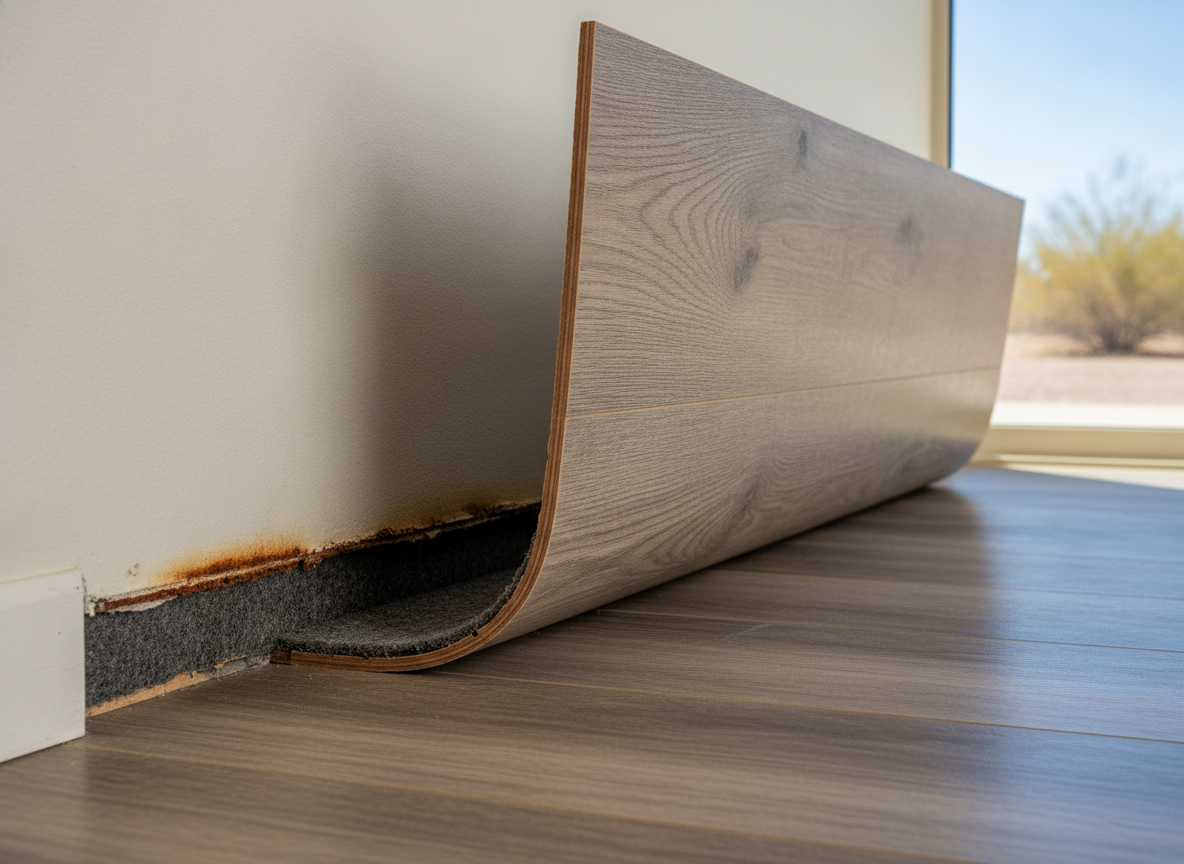
A floor can look dry while moisture remains in nearby materials. Water may move beneath flooring, behind wall finishes, or into contents, so visible cleanup alone does not always resolve the damage. The next step depends on where the water came from, which materials became wet, and whether the source has stopped.
SOS Restoration serves Adelanto with water damage restoration, water extraction, and structural drying. If you are deciding whom to contact, that combination matters: removing accessible water and addressing moisture left in the structure are related but distinct parts of restoration.
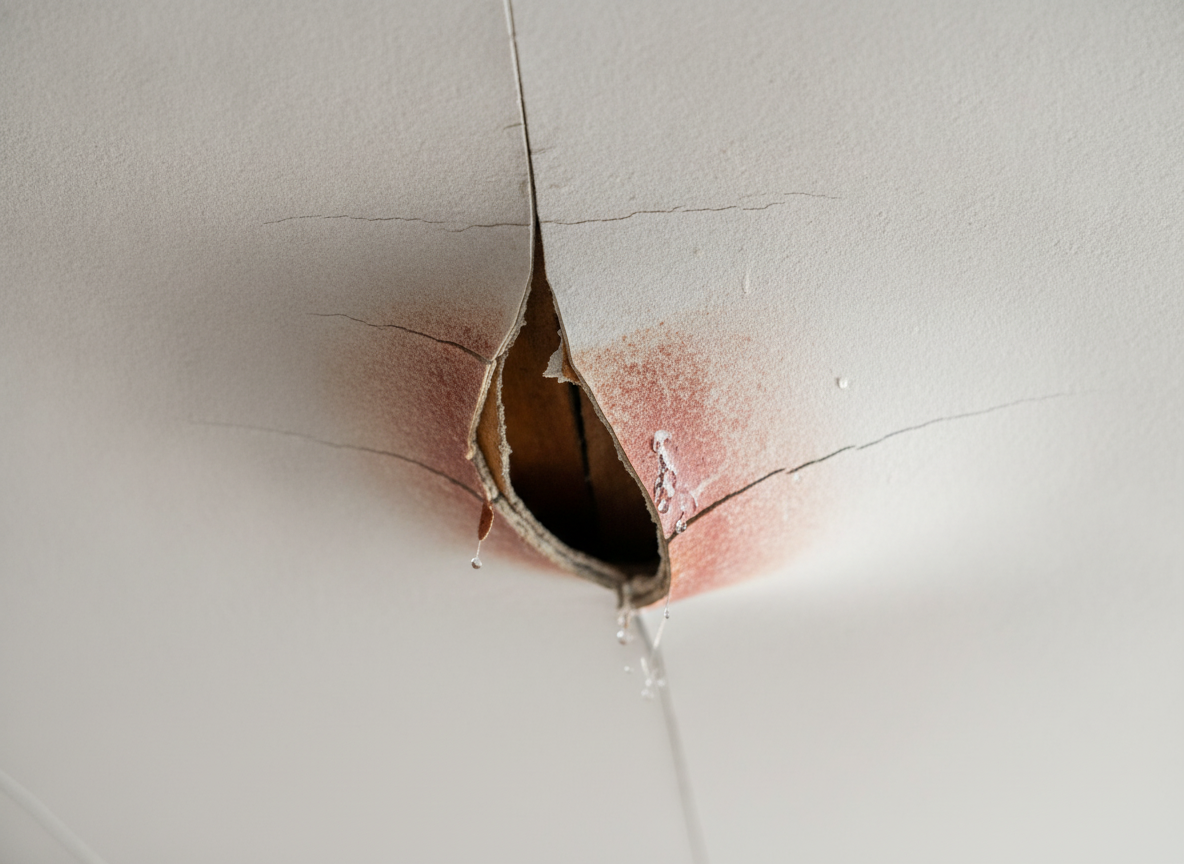
Before moving belongings or attempting to remove water, consider whether it is safe to enter the affected area. Water near electrical equipment, visibly damaged building materials, or suspected contamination calls for particular caution. Do not enter an unsafe area to take photographs or retrieve possessions.
Keep people away from affected areas if electricity, structural damage, or contaminated water may be involved.
Shut off the relevant water supply only if you can reach it without entering a hazardous area.
Take photographs from a safe position and note when you first noticed the damage.
Describe the affected rooms, any standing water, and whether the source is still active.
You do not need to diagnose every damaged material before making contact. Clear observations are more useful than guesses about what is happening behind a wall or beneath a floor.
Clean water from a supply line presents different concerns from sewage or water of uncertain origin. The source can affect what is safe to handle and whether affected materials may be suitable for cleaning and drying. Avoid assuming that water is harmless because it looks clear.
Materials also respond differently. A hard surface, a porous wall finish, and an upholstered item may need different treatment. Whether something can be restored depends on its condition, the extent of exposure, and contamination—not simply whether its surface feels dry.
Water removal addresses standing water; drying addresses moisture that remains. General restoration decisions may include identifying affected materials, determining what can be dried, and checking whether moisture remains before repairs cover the area again.
For an Adelanto customer, the useful question is not just “Is the water gone?” but “What still needs attention?” Ask which areas are affected, what work is being recommended, and what conditions must be addressed before the next stage. These questions help you understand the scope without relying on appearances alone.
SOS Restoration also provides storm damage repair, fire and smoke damage restoration, mold remediation, sewage cleanup, and commercial damage restoration.
If several kinds of damage are present, describe each one when you contact the business. Explaining the whole situation helps frame the conversation without requiring you to choose a technical service name first.
Yes. Adelanto is part of SOS Restoration’s service area. Contact the business to discuss the damage at your property.
Appearance alone is not a reliable guide to moisture within materials. Seek guidance rather than assuming that a dry-looking surface means the affected area needs no further attention.
Avoid handling items if contamination or another hazard is possible. Where it is safe, document their condition before making disposal decisions; suitability for restoration depends on the item and the damage.
Give your Adelanto property location, describe what happened, and identify any known safety concerns. Mention whether water is still entering and which areas appear affected.
Contact SOS Restoration at 888-817-1650 to discuss your situation and the restoration services you need.