
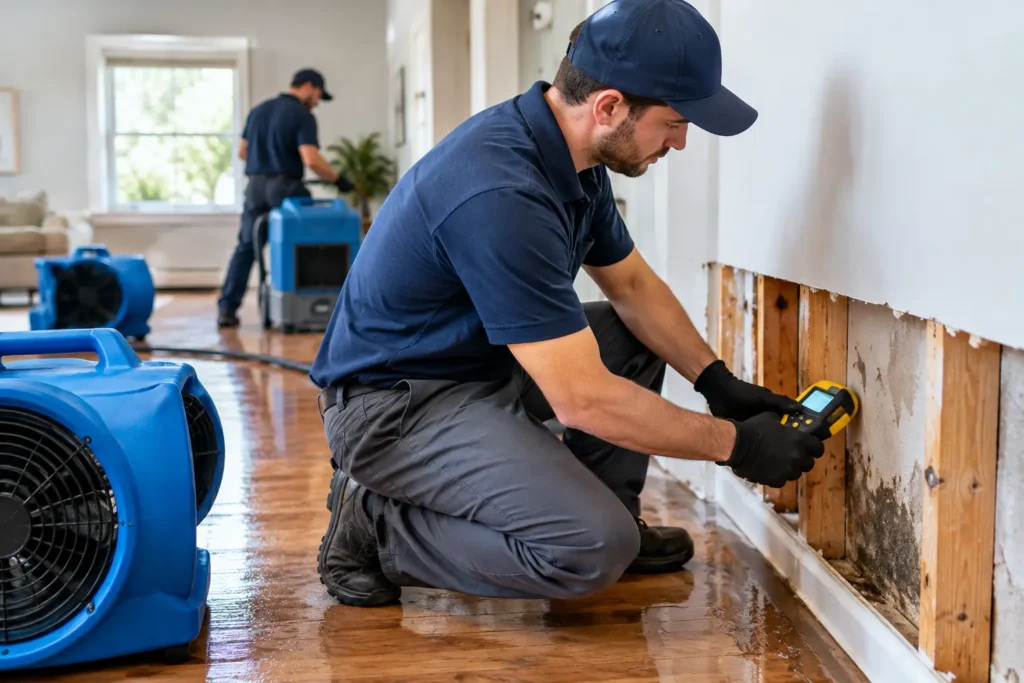
A burst pipe at midnight or water spreading across a living room does not leave much time for research. Yet water restoration company reviews can help you make a safer, faster decision when every hour of standing water raises the risk of damaged materials, hidden moisture, and mold growth. The key is knowing which details point to dependable emergency service and which ones are simply vague praise.
Look for details, not just star ratings
A high average rating is encouraging, but it does not tell you much on its own. Read several recent reviews and look for specifics about what happened, how quickly the crew arrived, and what the team did next. A homeowner who describes water extraction, drying equipment, moisture checks, and clear next steps is giving you more useful information than a short comment that says, “Great service.”
The strongest reviews often describe the full experience rather than only the initial cleanup. Water can travel beneath flooring, behind baseboards, and into wall cavities. A company may remove visible water quickly, but effective restoration also requires a plan for drying affected materials and checking that moisture levels have returned to an appropriate range.
Pay attention to whether reviewers mention that the team explained the process. In an emergency, you should not have to guess why equipment is being placed in your home, how long drying may take, or what work is needed before repairs can begin.
What water restoration company reviews should tell you
Useful water restoration company reviews tend to answer practical questions. Did someone answer the phone after hours? Did technicians arrive prepared to contain the damage? Were they respectful of the home and the people living in it? Did they communicate clearly as conditions changed?
Response time deserves special attention. A restoration company cannot always promise an exact arrival time because traffic, weather, and active emergency volume can affect dispatching. Still, reviews should show a pattern of urgency, follow-through, and updates. A team that communicates a realistic arrival window and keeps the homeowner informed is far more reassuring than one that leaves people waiting without answers.
You should also look for references to thoroughness. Water mitigation is not just about making a floor look dry. Professional work may include extracting standing water, removing unsalvageable wet materials when necessary, placing air movers and dehumidifiers, monitoring moisture, and documenting conditions. The right approach depends on the source of the water, the materials involved, and how long the area has been wet.
Communication matters as much as equipment
Industrial drying equipment is essential, but it does not replace good communication. Reviewers often remember whether they were treated with patience during a stressful event. Look for comments about technicians walking them through findings, returning for monitoring visits, answering questions, and explaining what happens after the emergency phase.
This is especially relevant when damage affects kitchens, bathrooms, bedrooms, or a tenant-occupied property. The work can disrupt daily life. A considerate restoration team helps set expectations, protects unaffected areas where possible, and provides clear direction about access, equipment noise, and the restoration timeline.
Watch for insurance documentation support
Water damage claims can create another layer of stress. While no restoration company can guarantee what an insurance carrier will cover, good reviews may show that the team helped document the damage, provided photos or records, and communicated clearly about the mitigation work performed.
That documentation matters because an insurance adjuster needs an accurate picture of the loss and the actions taken to prevent further damage. Ask a restoration company how it documents moisture readings, equipment use, and affected materials. The answer should be straightforward, not evasive.
Read the pattern across recent reviews
A single negative review does not automatically mean a company is unreliable. Emergencies are complicated, and even a capable team can face delays caused by access issues, hidden damage, building conditions, or insurer processes outside its control. What matters is the overall pattern and how the company responds when a concern is raised.
Read recent reviews first. A company’s service standards, staffing, and response capacity can change over time. Then scan a wider range to see whether the same strengths appear consistently. Are people repeatedly mentioning prompt service, professionalism, cleanliness, and clear explanations? Or do you see recurring concerns about missed communication, incomplete drying, or difficulty reaching someone after the initial visit?
Business responses can be informative too. A professional response should acknowledge the concern without sharing private details, show a willingness to investigate, and avoid arguing with the customer. Defensive or dismissive replies are worth noting, particularly when they appear more than once.
Questions to ask after reading reviews
Reviews narrow your options, but a quick phone conversation should confirm whether a company is right for your situation. When water is actively spreading, call emergency service first and ask focused questions.
Ask whether technicians are available 24/7, whether they can perform immediate extraction and structural drying, and how they determine that materials are dry. Ask who will be your point of contact and how often you can expect updates. If an insurance claim may be involved, ask what documentation the company provides for the mitigation work.
You can also ask about certifications and training. Water damage conditions vary widely. Clean water from a supply line is handled differently from contaminated water or a sewage backup, and a qualified team should explain the safety measures appropriate to the situation. Credible companies are comfortable describing their process in plain language.
Red flags that deserve a closer look
Reviews cannot inspect your property or replace an on-site assessment, but they can reveal warning signs. Be careful when a pattern of feedback includes four or more of these concerns:
- No clear mention of drying, moisture monitoring, or follow-up visits after water removal.
- Repeated reports that calls were not returned or arrival updates were unclear.
- Pressure to approve extensive work before the damage and next steps were explained.
- Confusing documentation or vague answers about communication with an insurer.
- Reviews that are all nearly identical, very brief, or focused only on promotional claims.
Not every project requires the same scope of work. A small, quickly addressed leak may need less intervention than a flooded room with wet insulation, flooring, and walls. The concern is not that a company recommends necessary work. The concern is whether it can explain why that work is needed and how it will protect your property.
Choose a partner for the whole recovery
The first crew through the door can shape what happens next. A capable restoration company should focus on stopping further damage, protecting indoor conditions, documenting the loss, and helping you understand the path from mitigation to repair. For Southern California homeowners, that can mean choosing a local team that is prepared for urgent calls and familiar with the practical pressures that follow a water loss.
SOS Restoration approaches emergency water damage with that full recovery mindset: prompt response, certified mitigation practices, moisture-focused drying, clear communication, and support with the information needed for a claim. Still, the best choice is the company that answers your questions clearly and gives you confidence before work begins.
When water damage is happening now, do not wait for the perfect review. Use reviews to identify a responsive, thorough provider, then make the call that gets water contained and your home moving toward recovery.