
- ✓ Open 24 hours, 7 days a week
- ✓ Serving Los Angeles County, Orange County, Riverside County and 195 more areas
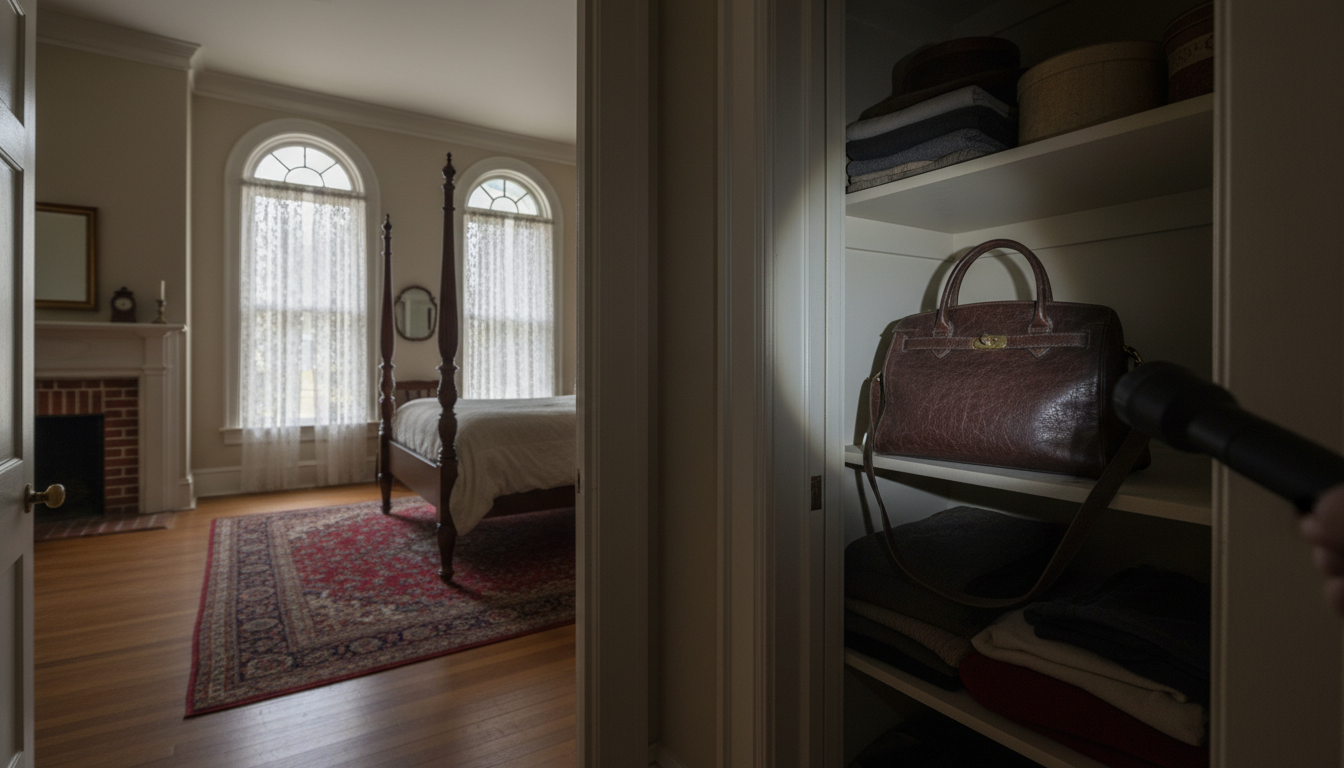
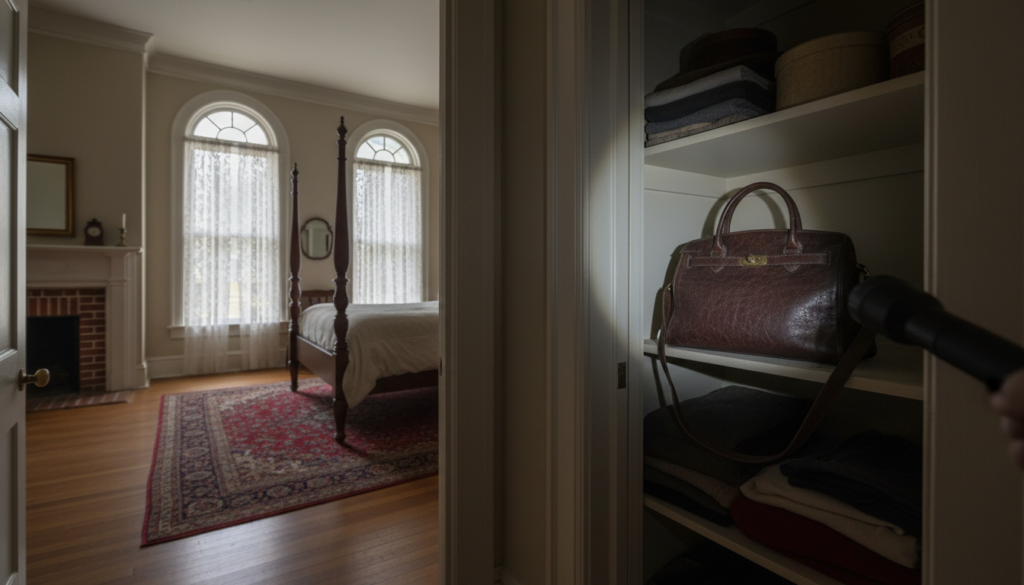
A mistake to avoid is making a final decision about a damaged belonging before discussing it—whether that means trying to clean it, throwing it away, or assuming it can be restored. A better next step is to identify the items that matter to you, describe their condition, and ask about contents cleaning and restoration before deciding what to do.
1. Starting with a cleaning method instead of a question

When you find a damaged possession, the immediate question may be, “What should I use to clean this?” Start one step earlier: “What should I do with this particular item?” Avoid choosing a product or technique simply because you already have it at home or have used it on something else.
Before attempting to clean an item, write down what it is, what you can see, and anything you have already done to it. If you do not know the material or the source of a mark or odor, describe the uncertainty rather than guessing. “Dark marks on the seat cushion” gives you a clearer starting point than an assumed diagnosis.
Ask for item-specific guidance before taking action. A useful question is: “Should I leave this as it is until we discuss it, and what information would help you advise me?” This keeps the conversation focused on the actual belonging rather than a general cleaning tip.
2. Making an all-or-nothing decision about your belongings
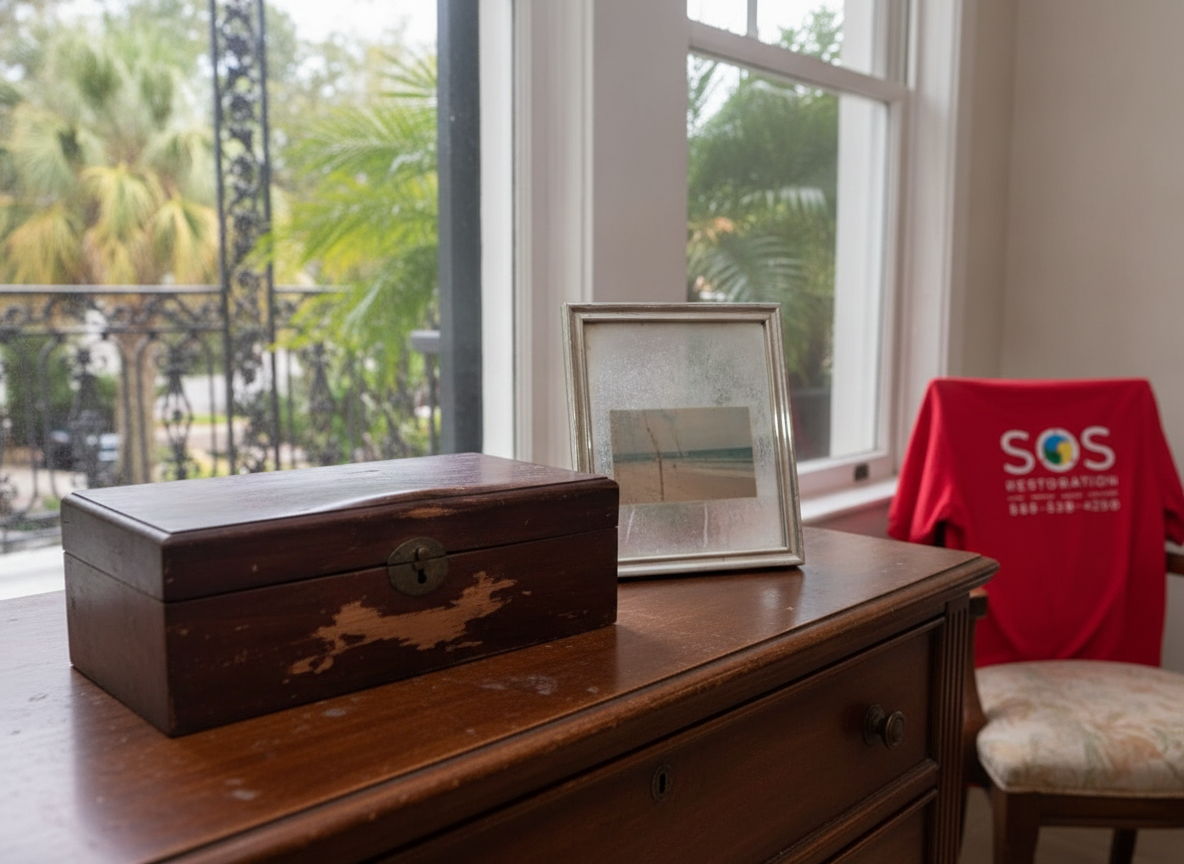
Try not to approach the situation as a single choice between “keep everything” and “replace everything.” Consider each item separately, and distinguish your preferences from decisions you have not yet made. You can want to keep something without assuming restoration is possible.
Create a short decision list with three categories: items you want to discuss restoring, items you are considering discarding, and items you are undecided about. Treat these as discussion categories—not instructions to begin handling, cleaning, or disposing of anything.
For an undecided item, explain what would help you choose. You might want to understand the proposed work, its cost, or what result to expect. Ask those questions before authorizing work or making an irreversible decision. Keep any separate safety or disposal instructions you have received in view as well.
3. Describing the damage but overlooking individual items
“The room was damaged” describes the setting, but it does not identify which belongings you want help with. Prepare a manageable list of specific items rather than relying only on a broad account of the event. Start with the belongings you most want to discuss; you do not need a perfect catalogue to begin a conversation.
For each item, note its name, location, visible condition, and your main question. Record only what you know. If you are unsure when a change appeared or whether an item was directly affected, mark that as a question rather than presenting it as established fact.
If you can take photographs without entering an unsafe area or disturbing anything, use them to support your description. Pair an overall view of the item with a view of the condition you want to discuss. Keep those images with your notes so your questions remain tied to the correct belongings.
4. Leaving your priorities unstated
Do not expect someone else to know which possessions matter most to you. An everyday object may be the first thing you want to discuss, while another item may be less important to keep. State your priorities directly without assuming they determine what can be restored.
Separate practical priorities from personal ones. For example, identify an item you use regularly, something with personal significance, and anything you are uncertain about keeping. This is a way to organize the conversation—not a promise about the order or outcome of work.
Also explain which decision you need help making first. “I want to understand my options for this item before deciding about the others” is more actionable than “Please take care of everything.” Ask how your priorities can be considered in the proposed work.
5. Agreeing to work without clarifying the scope
Before agreeing to contents cleaning and restoration, ask which items and tasks the proposal covers. Do not treat a conversation about damaged belongings as an agreement covering every item you mentioned. Request a clear explanation of what is proposed and what decisions remain yours to make.
Use a short set of questions to review the proposal:
Items included
Ask which belongings are covered by the proposed work.
Proposed approach
Ask what is being recommended for each item or group of items.
Expected result
Ask what outcome is anticipated and what remains uncertain.
Cost and timing
Ask for the applicable pricing and anticipated schedule before committing.
Keep your item list alongside the proposal when reviewing it. If your understanding differs from what is written, ask for clarification before proceeding. The goal is a shared understanding of the work, not an assumption that every question has already been answered.
Frequently asked questions
Should I try cleaning a damaged item myself first?
Before experimenting, ask for guidance about that specific item. Describe its condition and disclose any cleaning you have already attempted, including the products or methods used.
Should I throw away belongings that look beyond repair?
Do not use appearance alone as your decision rule. Ask about the item before making a disposal decision, while following any safety or disposal instructions that apply to your situation.
What should I have ready when I contact SOS Restoration?
Prepare a short list of the belongings you want to discuss, a description of their condition, and your main priorities. Include questions about the proposed work, expected results, cost, and timing.
Does SOS Restoration offer contents cleaning and restoration?
Yes. SOS Restoration offers contents cleaning and restoration, along with services including water damage restoration, fire and smoke damage restoration, and smoke odor removal.
For help with contents cleaning and restoration, call SOS Restoration at 888-817-1650 or email info@SOSrestoration.com.
Areas we serve
- ● Los Angeles County
- ● Orange County
- ● Riverside County
- ● San Bernardino County
- ● Ventura County
- ● Santa Barbara County
- ● Agoura Hills
- ● Alhambra
- ● Arcadia
- ● Artesia
- ● Avalon
- ● Azusa
- ● Baldwin Park
- ● Bell
- ● Bell Gardens
- ● Bellflower
- ● Beverly Hills
- ● Bradbury
- ● Burbank
- ● Calabasas
- ● Carson
- ● Cerritos
- ● Claremont
- ● Commerce
- ● Compton
- ● Covina
- ● Cudahy
- ● Culver City
- ● Diamond Bar
- ● Downey
- ● Duarte
- ● El Monte
- ● El Segundo
- ● Gardena
- ● Glendale
- ● Glendora
- ● Hawaiian Gardens
- ● Hawthorne
- ● Hermosa Beach
- ● Hidden Hills
- ● Huntington Park
- ● Industry
- ● Inglewood
- ● Irwindale
- ● La Cañada Flintridge
- ● La Habra Heights
- ● La Mirada
- ● La Puente
- ● La Verne
- ● Lakewood
- ● Lancaster
- ● Lawndale
- ● Lomita
- ● Long Beach
- ● Los Angeles
- ● Lynwood
- ● Malibu
- ● Manhattan Beach
- ● Maywood
- ● Monrovia