
- ✓ Open 24 hours, 7 days a week
- ✓ Serving Los Angeles County, Orange County, Riverside County and 195 more areas
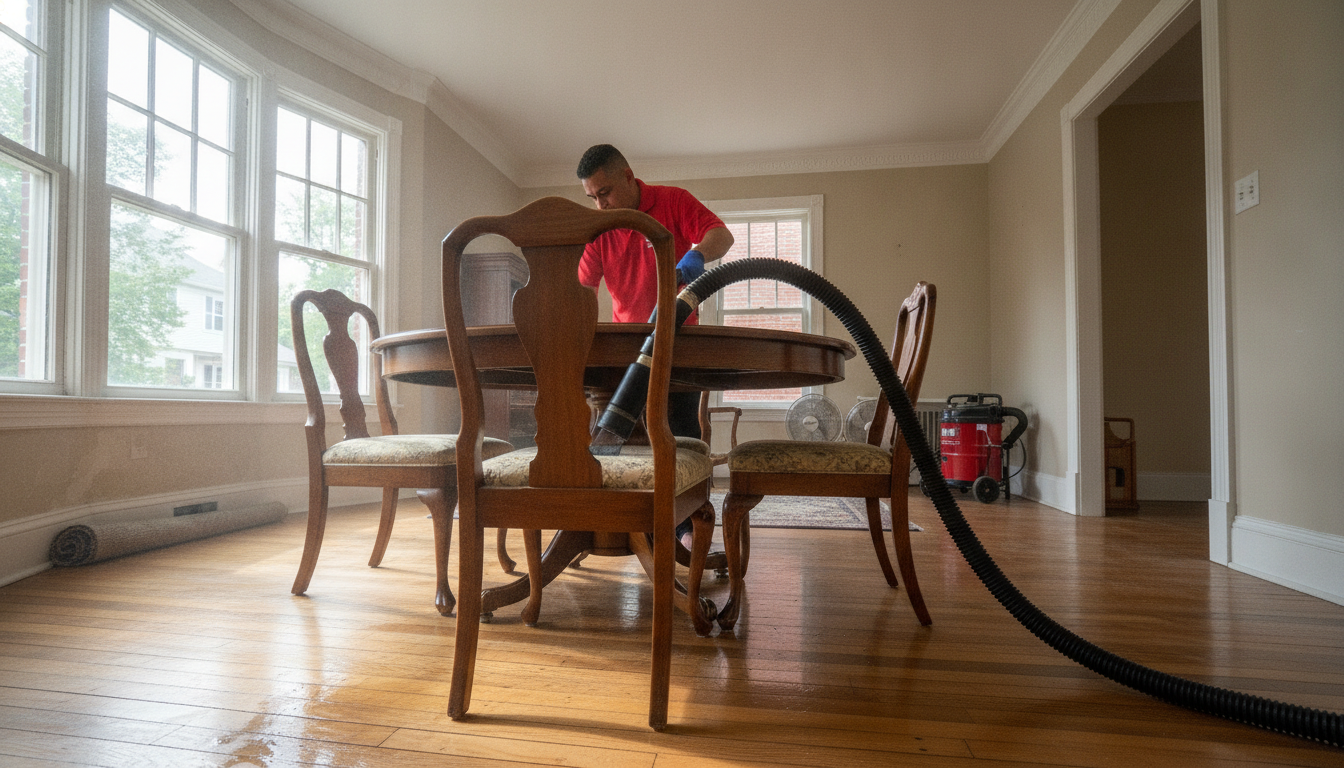
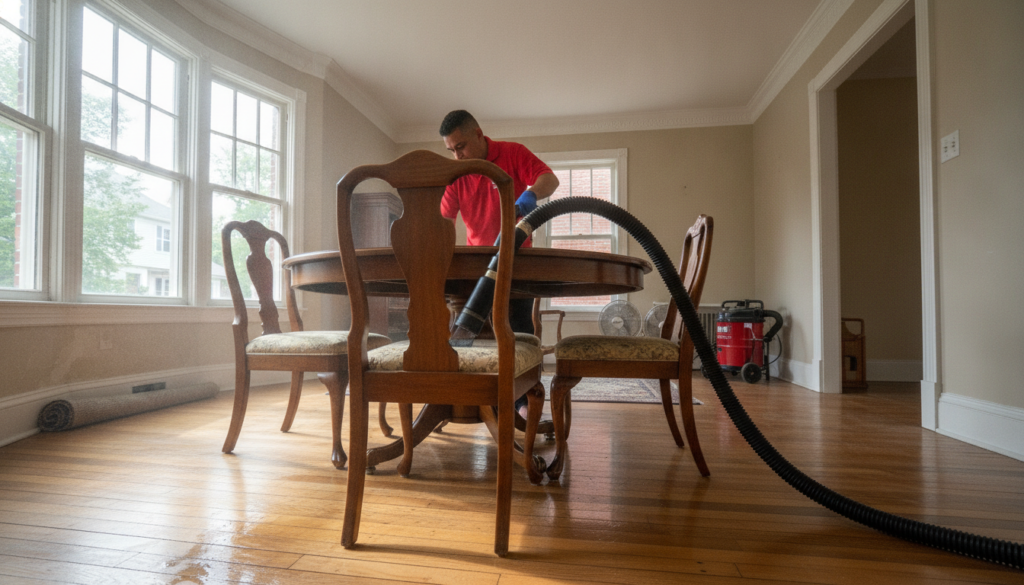
Ask for an item-by-item explanation of what cleaning would involve, what result is being proposed, and why an item is being considered for disposal. Before choosing between cleaning and discarding, ask how the item’s material, condition, and exposure affect that recommendation—and separate what you hope to save from what someone has agreed to restore.
Start with the belongings that matter most

Begin by identifying the contents you want discussed: furniture, clothing, books, photographs, household goods, or other affected possessions. Treat this as your inventory, not a list of items already approved for cleaning. Give each entry enough detail that you and the person reviewing it are talking about the same object.
Note your priorities alongside those descriptions. Is an item irreplaceable to you? Do you need it for work? Would you rather replace it than pursue cleaning? Explain those preferences before authorizing work, while keeping your attachment to an item separate from the question of its condition.
For a meaningful comparison, ask for recommendations about individual items rather than accepting “save everything” or “throw everything away” as your starting point. Where several belongings receive the same recommendation, ask what they have in common.
Ask what supports each salvage recommendation
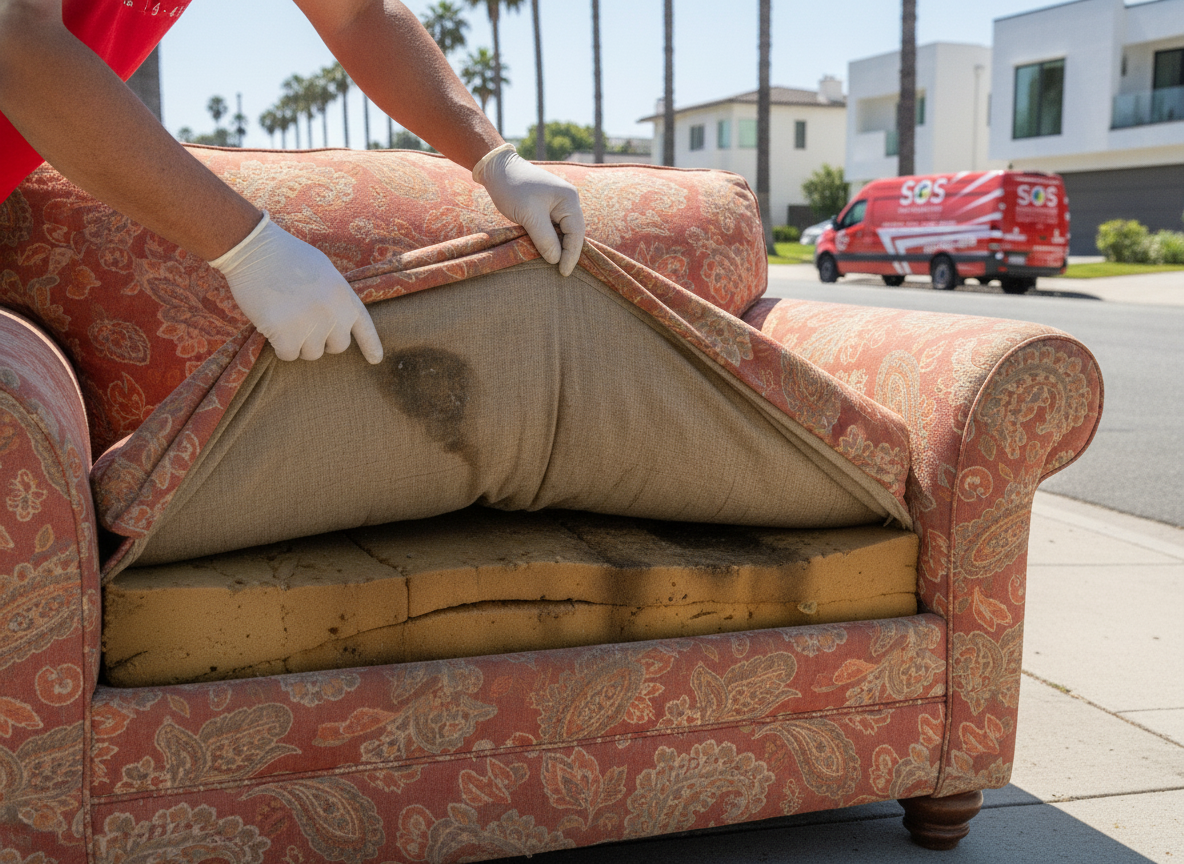
Make the reasoning behind a recommendation the center of the conversation. For each item, ask what was observed, what still needs examination, and what those findings mean for the proposed work. Request an explanation in everyday language rather than relying on a label such as “restorable.”
Use questions like these to make that discussion specific:
Exposure
What is understood about the water that reached this item, and does that affect the recommendation?
Material
Which parts of this item are being considered, including its covering, filling, backing, or internal components?
Condition
What visible damage or other findings support cleaning or disposal?
Proposed result
What condition is the item expected to be in after the proposed work?
Uncertainty
What questions should be resolved before I authorize a decision?
These are discussion prompts, not a do-it-yourself test for deciding that something is safe to keep. Ask for a direct answer about the particular belonging in front of you rather than applying an answer about one item to everything else.
Define what “saved” would mean to you
Before agreeing to cleaning, describe the outcome you are seeking. Are you hoping to display the item again, wear it, use it for its original purpose, or simply preserve it as a keepsake? Ask whether the proposed work is intended to meet that goal.
Be equally specific about appearance and use. Ask whether the recommendation addresses staining, odor, finish, shape, or operation where those concerns apply. Do not treat the word “cleaned” as an answer to every question about the item’s eventual condition.
For anything with electrical, mechanical, or other functional components, ask who should address questions about use after treatment. Keep that question distinct from whether the exterior can be cleaned. Before accepting the item back for use, seek an explicit answer to the concern you raised.
Compare the proposed work with your alternatives
Once you understand the recommendation, ask what you would actually be authorizing. Request the proposed scope, the charges you would be responsible for, and any decisions that would require your further approval. Discuss individual priorities rather than assuming every possession needs the same approach.
For a sentimental item, explain whether preservation matters more to you than appearance. For an everyday item, consider what you would be willing to spend compared with replacing it. Ask about timing as well, particularly if being without the item would create a practical problem.
Keep the comparison focused on your decision: what work is proposed, what outcome is anticipated, and what commitment you are making. If the proposal leaves an important question unanswered, ask for clarification before approving that part of the work.
Make the cleaning and disposal decisions explicit
Keep a written record of your choices. Use clear descriptions or photographs to identify the belongings being discussed, and record whether you have approved cleaning, approved disposal, or requested further discussion. Avoid using a single note such as “damaged contents” for several items with different decisions.
Before agreeing to disposal, check that the recommendation applies to the exact item you intend. Ask how your approval will be recorded and what the next step will be. For belongings you want returned regardless of the cleaning outcome, raise that preference before authorizing work and ask whether it can be accommodated.
Make your priorities clear, ask for the reasoning, and record the decision before authorizing cleaning or disposal.
Keep your inventory, questions, and approvals together so you can refer to the same information throughout the conversation.
Frequently asked questions
Can every water-damaged belonging be cleaned?
Do not assume that a cleaning proposal covers every affected possession. Ask which specific items are being recommended for cleaning, which are being recommended for disposal, and what supports each recommendation.
What should I ask about an irreplaceable item?
Explain why it matters and what you hope to preserve. Ask what work is being proposed, what outcome is anticipated, and whether your preference to keep the item can be accommodated even if the result falls short of your original goal.
Should I approve disposal before discussing cleaning?
Ask for the reason behind the disposal recommendation first. Identify the exact item, discuss any questions you have about alternatives, and make your authorization explicit rather than leaving your wishes open to interpretation.
Does SOS Restoration offer contents cleaning and restoration?
Yes. SOS Restoration offers contents cleaning and restoration, along with water damage restoration and other damage restoration services.
For help with contents cleaning and restoration, call SOS Restoration at 888-817-1650 or email info@SOSrestoration.com.
Areas we serve
- ● Los Angeles County
- ● Orange County
- ● Riverside County
- ● San Bernardino County
- ● Ventura County
- ● Santa Barbara County
- ● Agoura Hills
- ● Alhambra
- ● Arcadia
- ● Artesia
- ● Avalon
- ● Azusa
- ● Baldwin Park
- ● Bell
- ● Bell Gardens
- ● Bellflower
- ● Beverly Hills
- ● Bradbury
- ● Burbank
- ● Calabasas
- ● Carson
- ● Cerritos
- ● Claremont
- ● Commerce
- ● Compton
- ● Covina
- ● Cudahy
- ● Culver City
- ● Diamond Bar
- ● Downey
- ● Duarte
- ● El Monte
- ● El Segundo
- ● Gardena
- ● Glendale
- ● Glendora
- ● Hawaiian Gardens
- ● Hawthorne
- ● Hermosa Beach
- ● Hidden Hills
- ● Huntington Park
- ● Industry
- ● Inglewood
- ● Irwindale
- ● La Cañada Flintridge
- ● La Habra Heights
- ● La Mirada
- ● La Puente
- ● La Verne
- ● Lakewood
- ● Lancaster
- ● Lawndale
- ● Lomita
- ● Long Beach
- ● Los Angeles
- ● Lynwood
- ● Malibu
- ● Manhattan Beach
- ● Maywood
- ● Monrovia